By Yvonne Oni, J.D. Candidate 2027
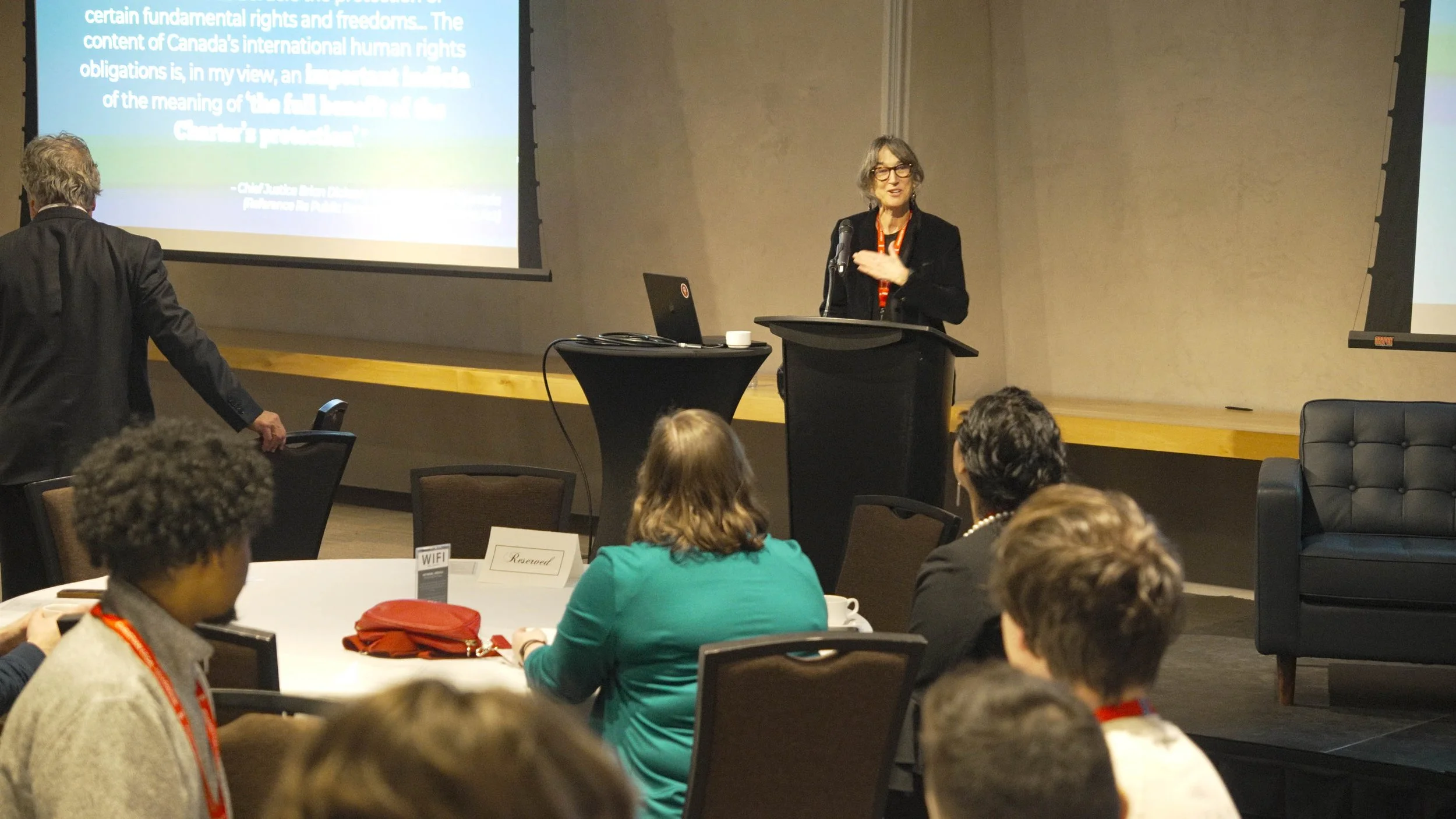
““The content of Canada’s international human rights obligations is, in my view, an important indicia of the meaning of ‘the full benefit of the Charter’s protection’.””
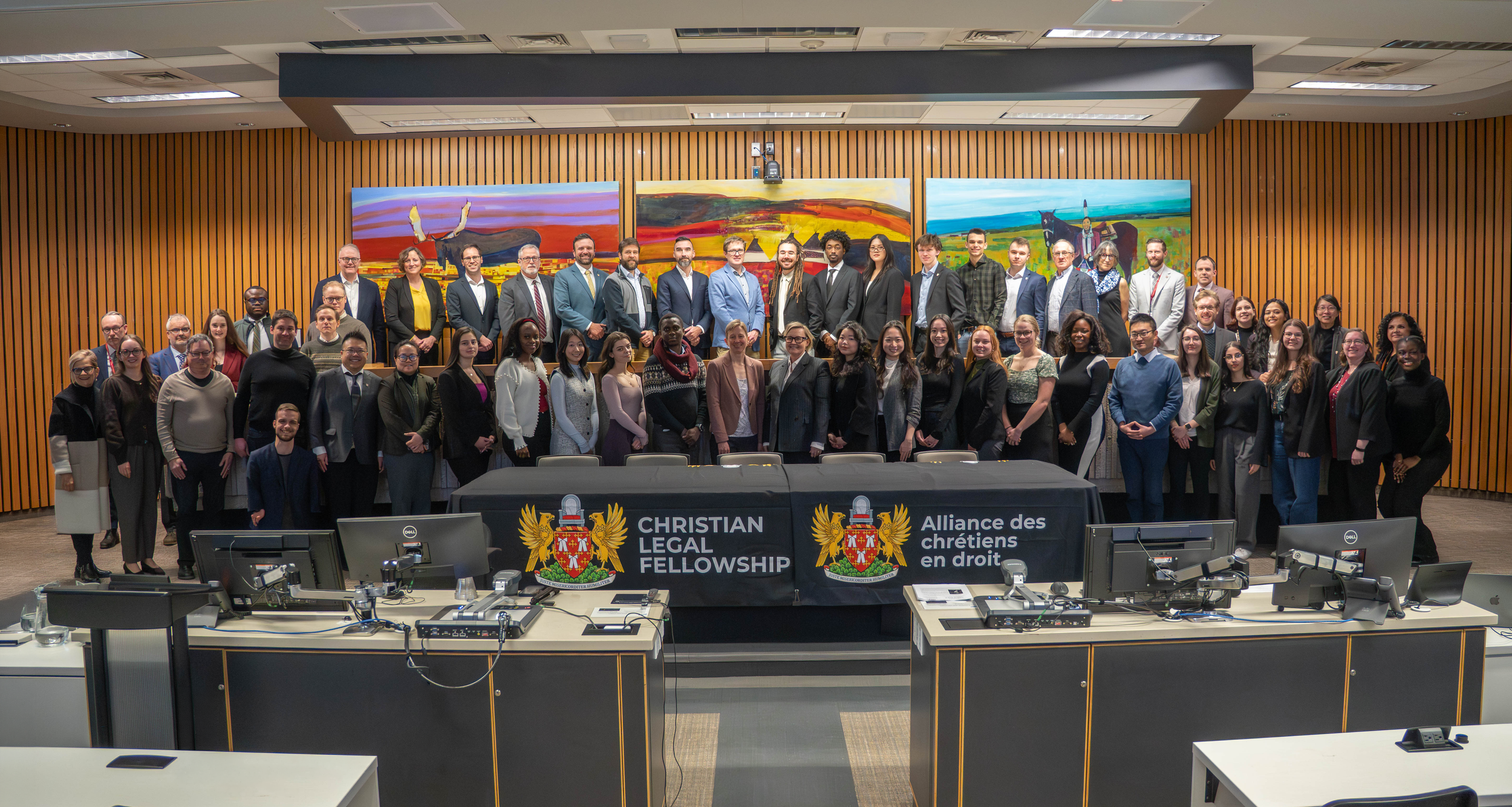
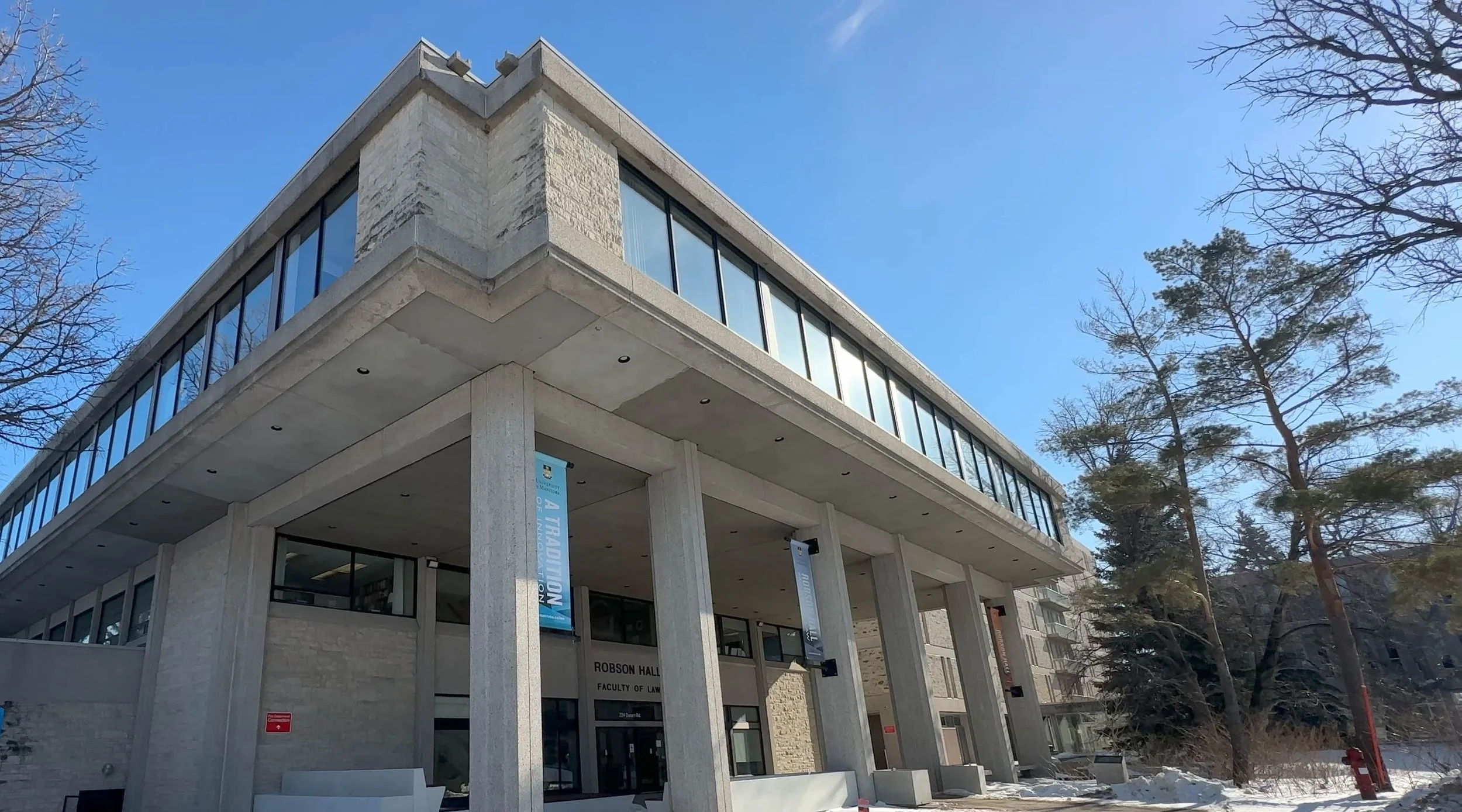
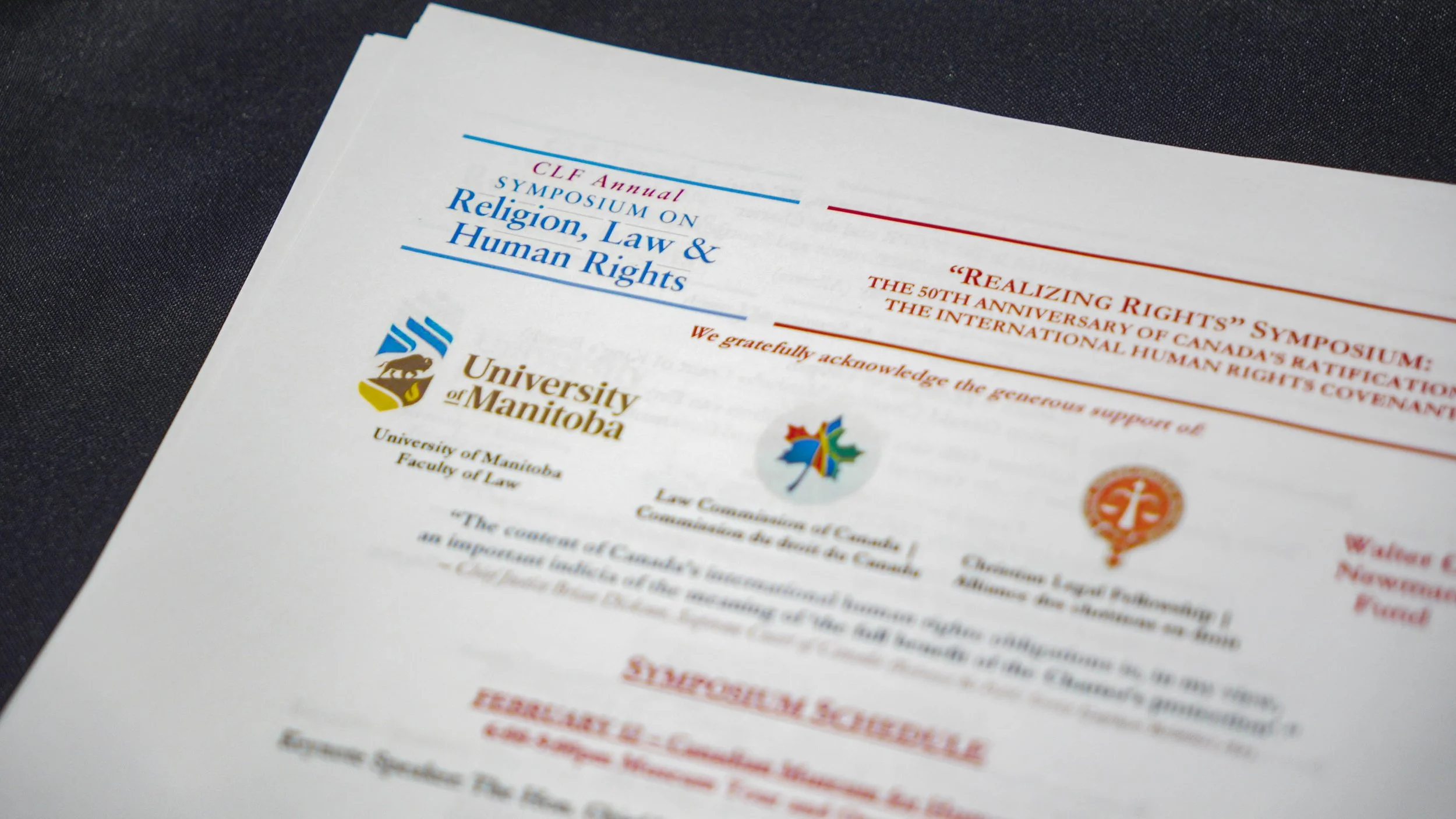
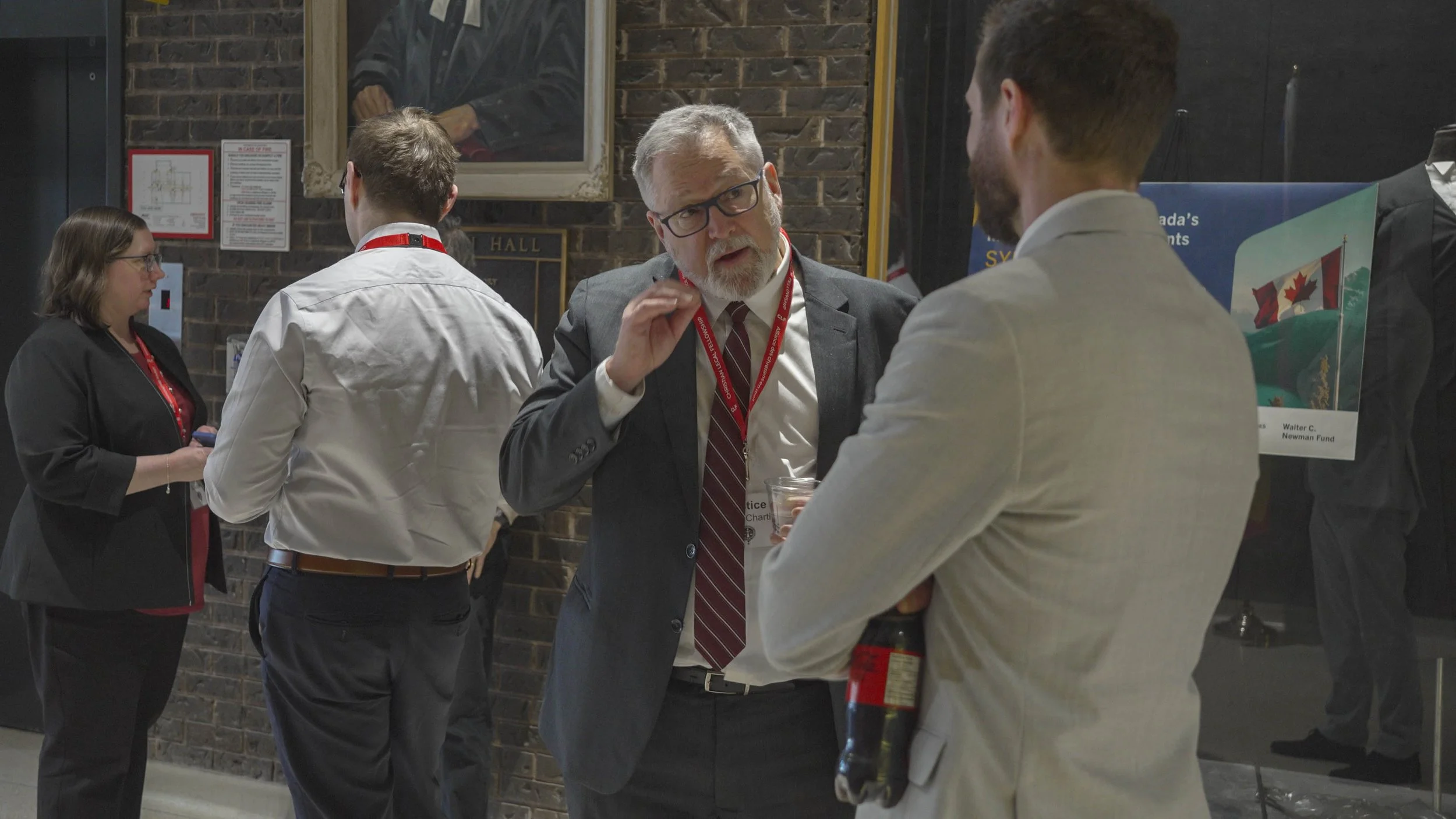
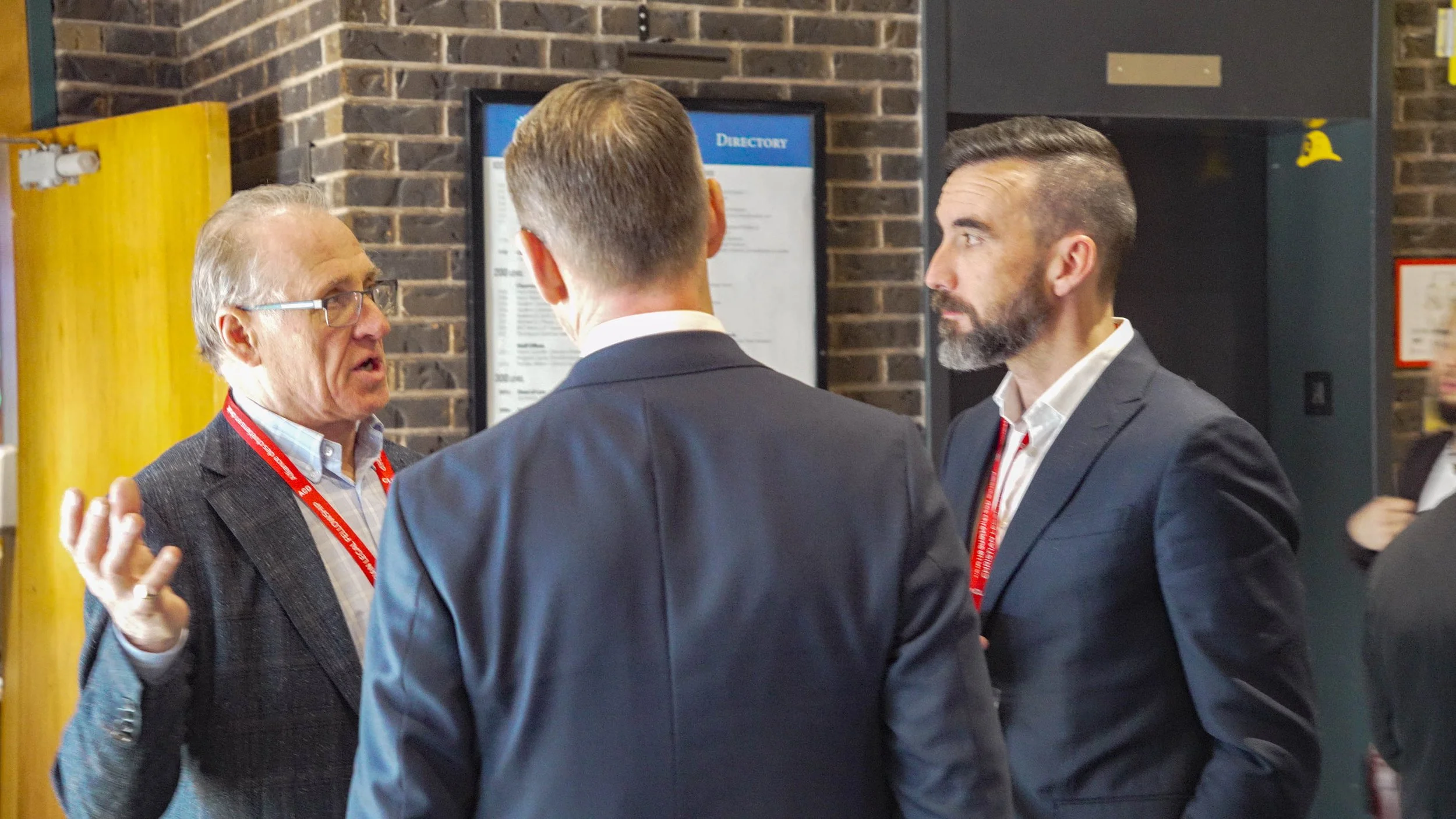
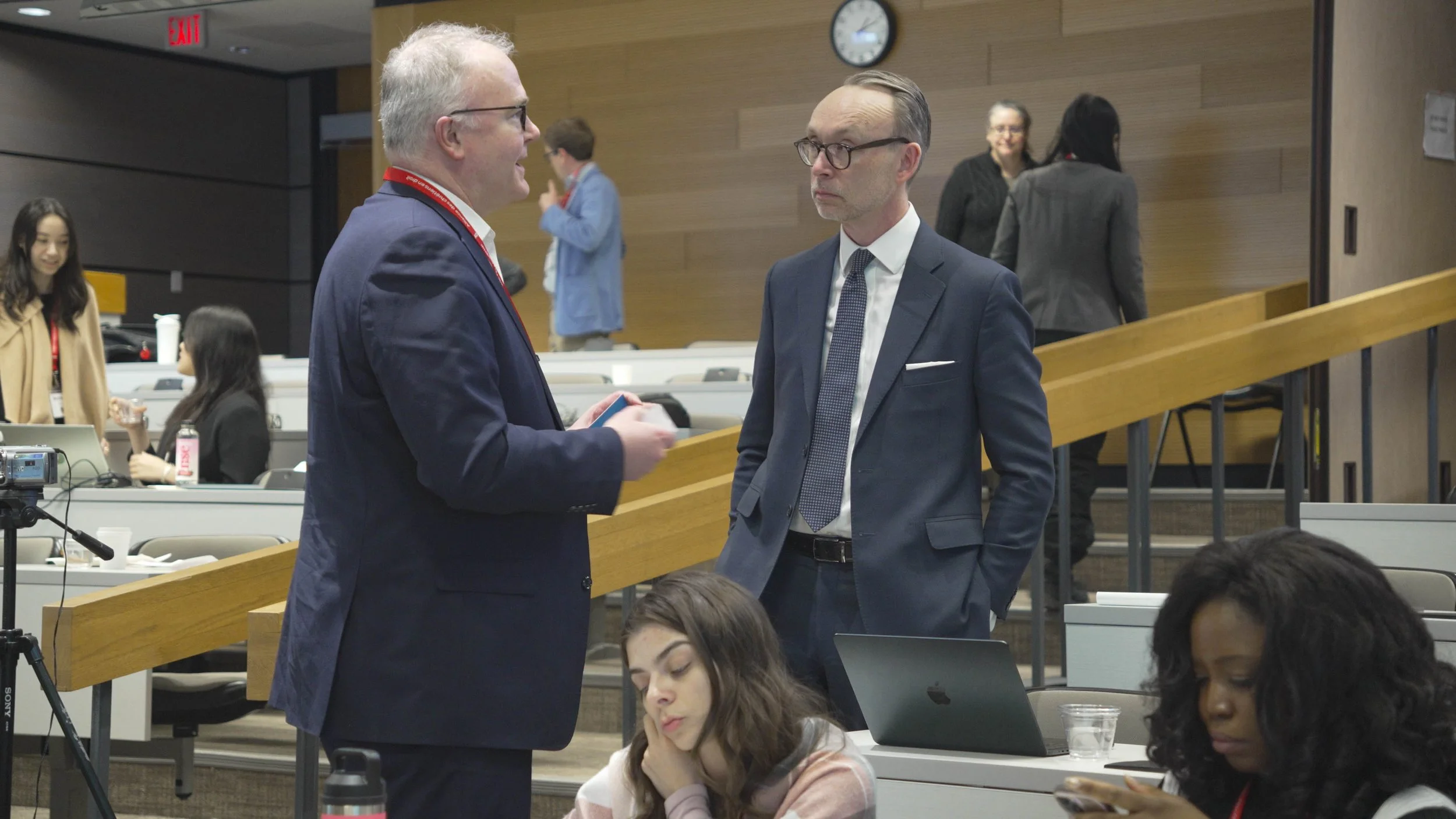
On February 12-13, 2026, the University of Manitoba’s Faculty of Law (Robson Hall) convened legal scholars, jurists, law students, and practitioners from across the country to commemorate the 50th anniversary of Canada’s ratification of the International Human Rights Covenants. Hosted through Christian Legal Fellowship’s Annual Academic Symposium on Religion, Law and Human Rights, the gathering created a timely space for reflection on Canada’s human rights commitments, their evolution over the past five decades, and the work that remains.
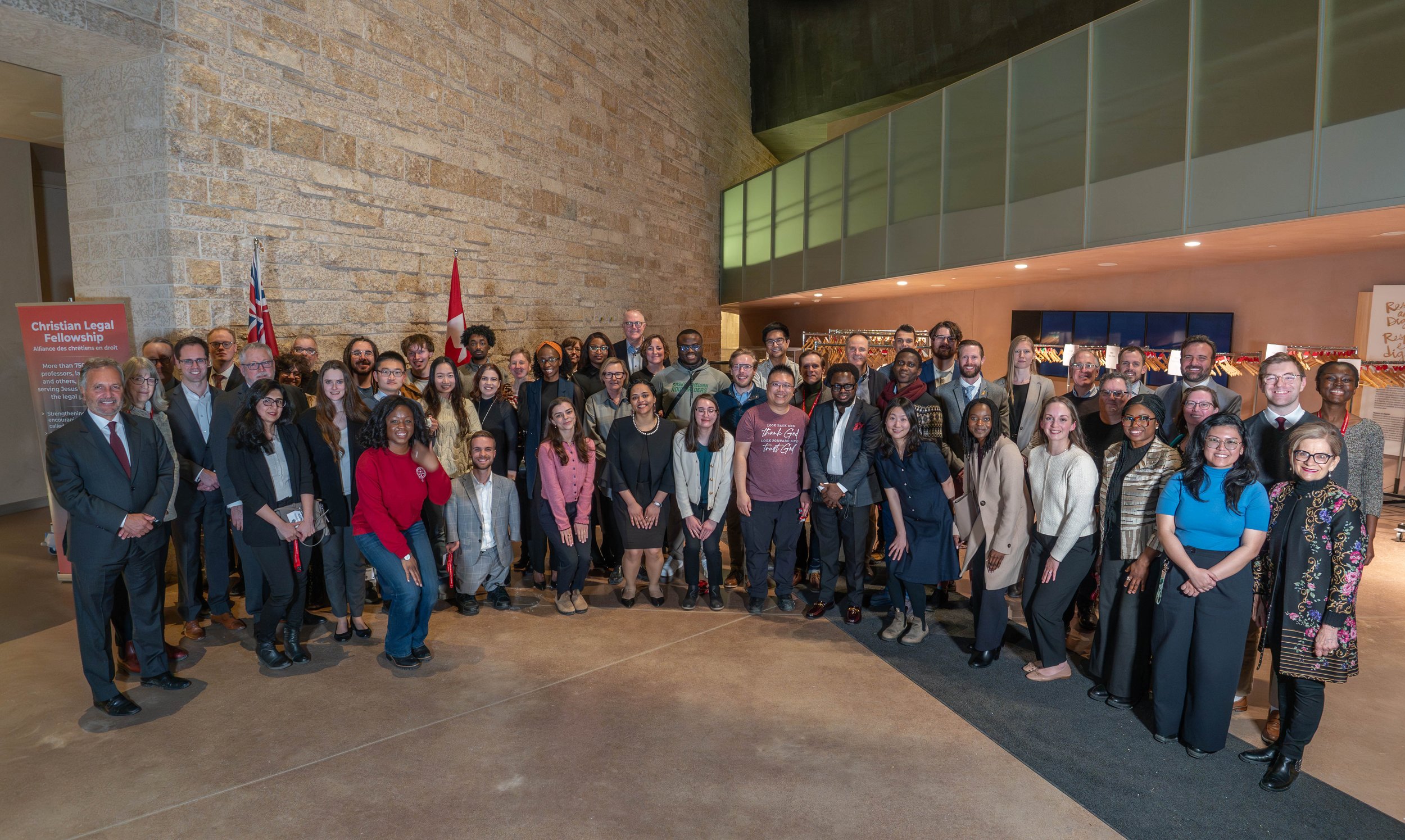
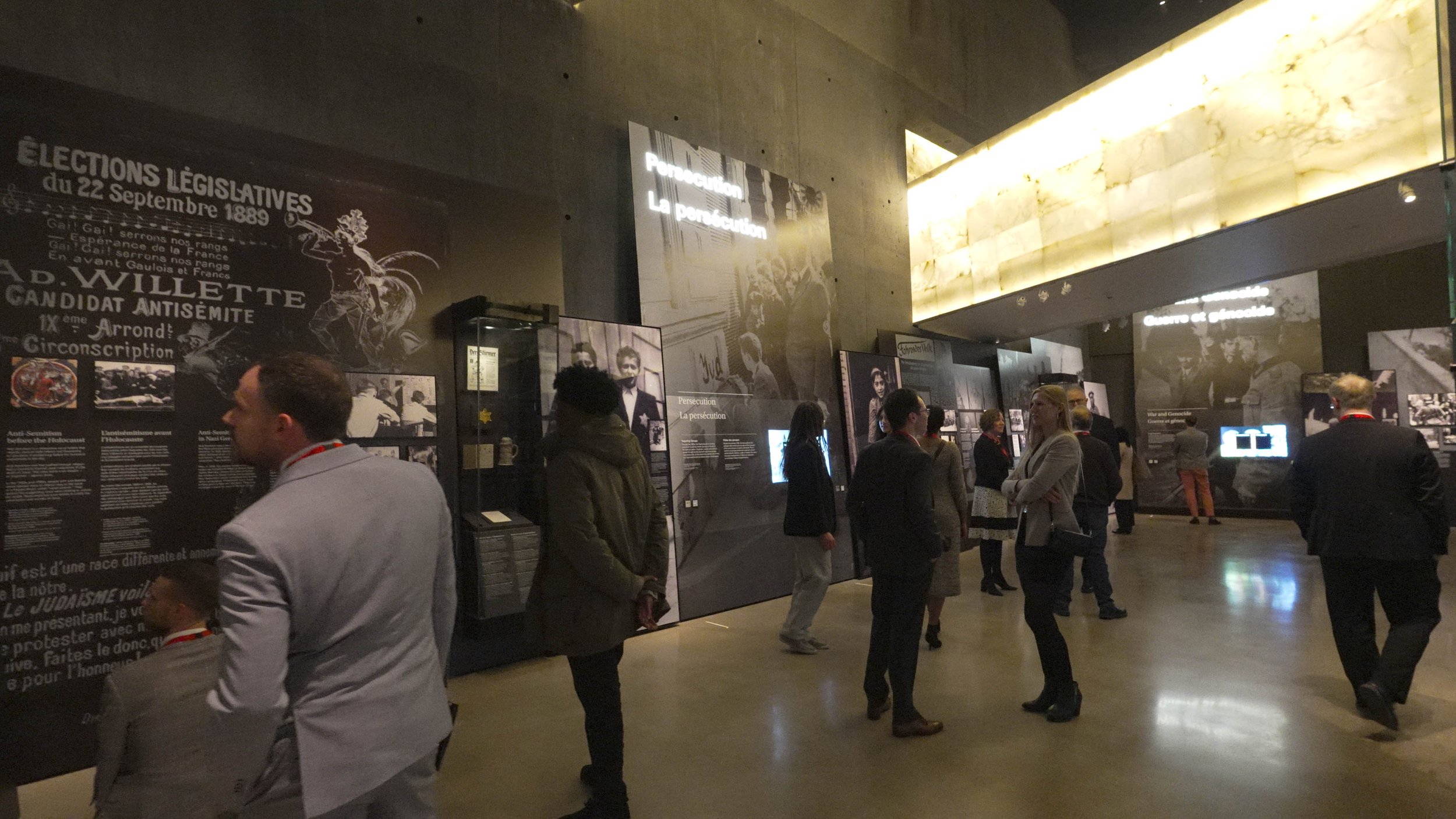
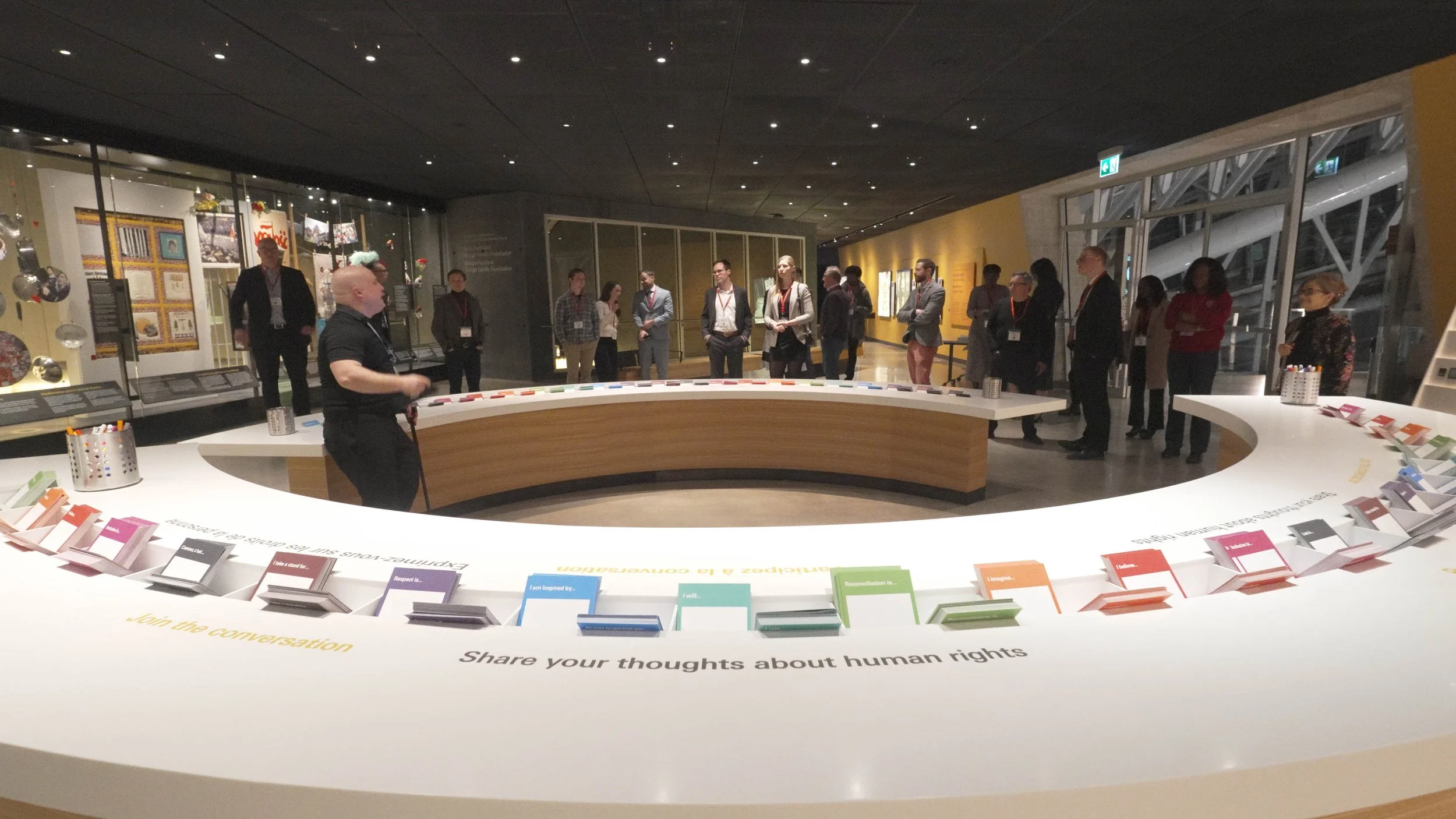
A Night at the Museum

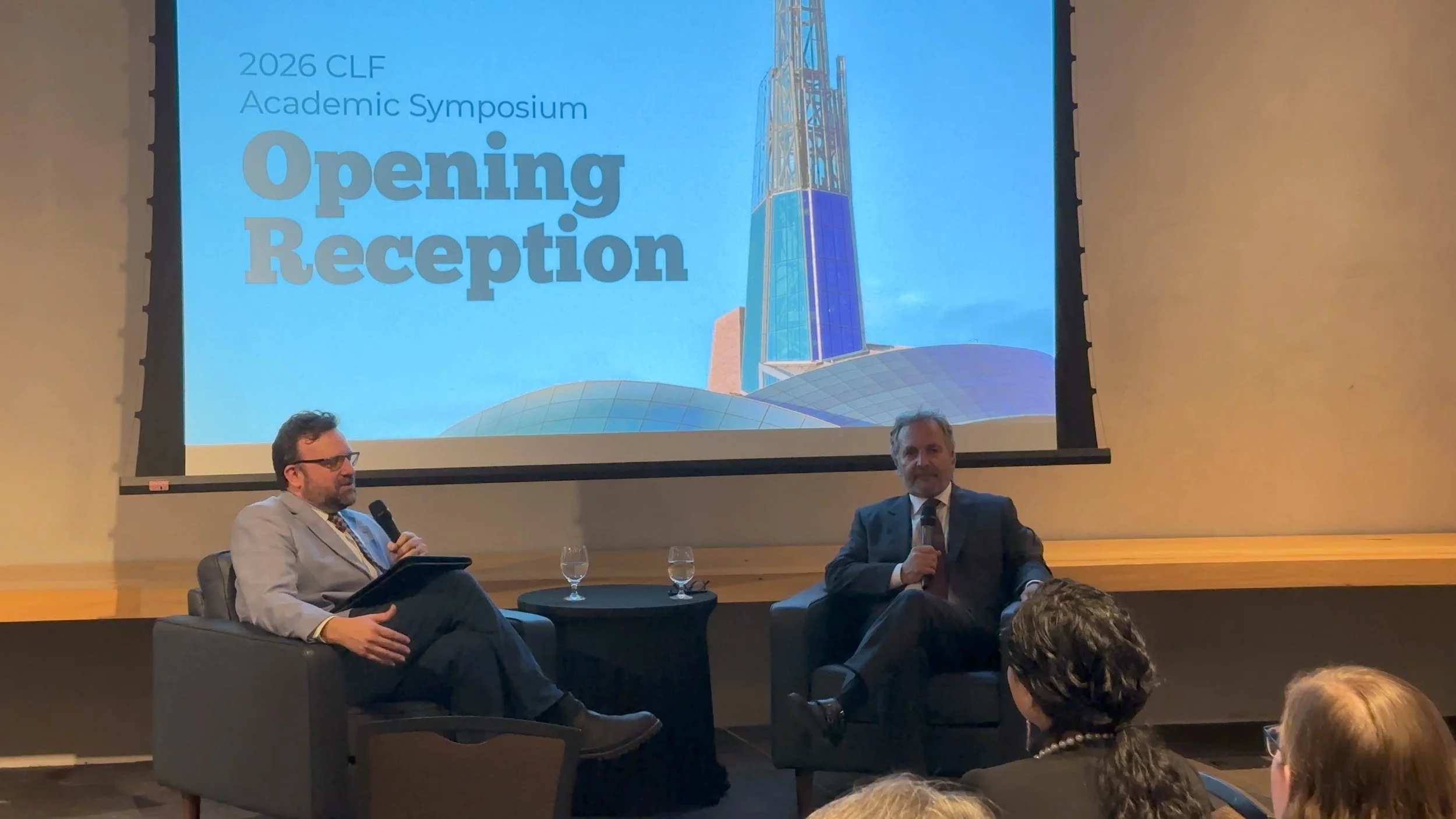
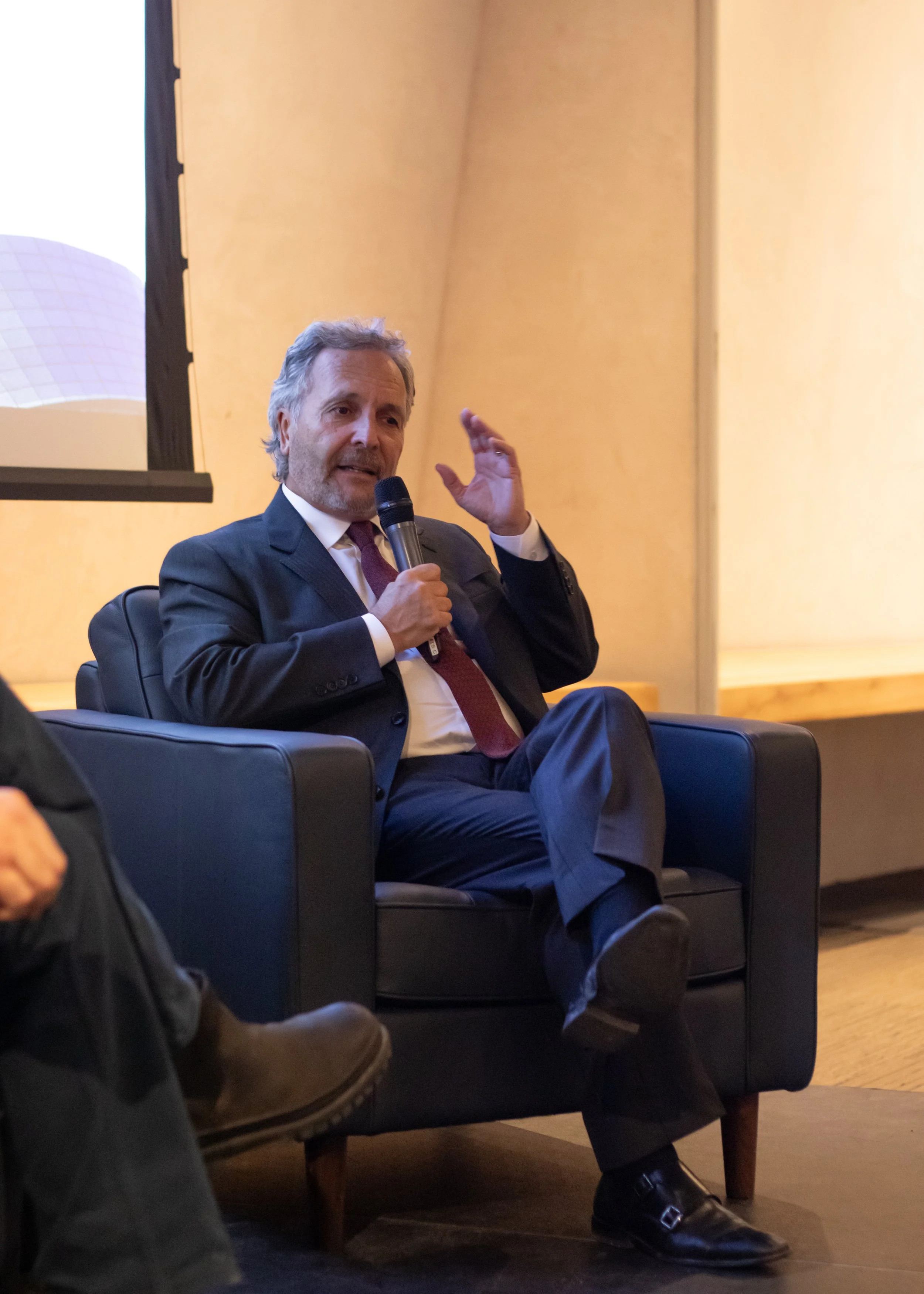
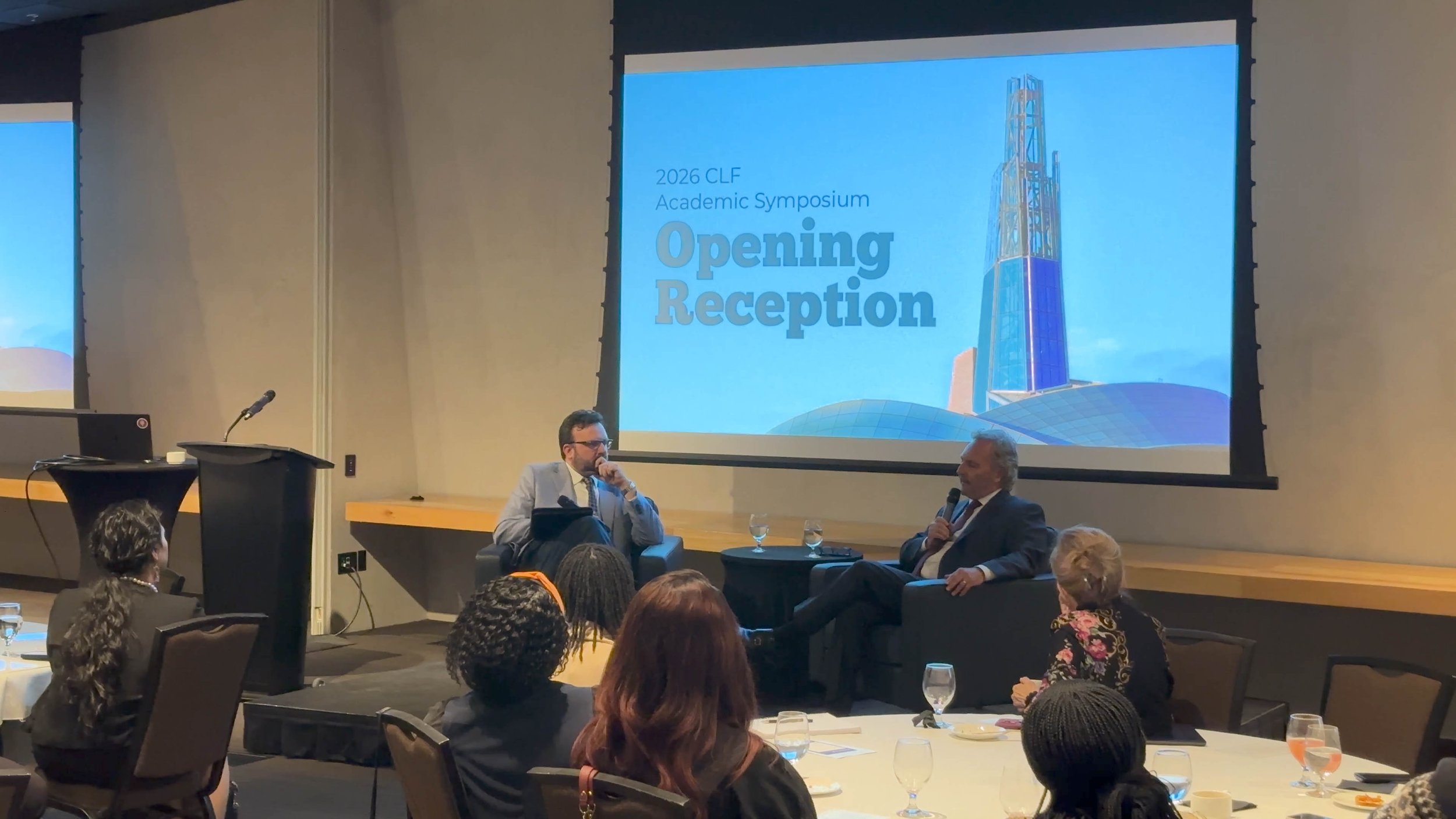
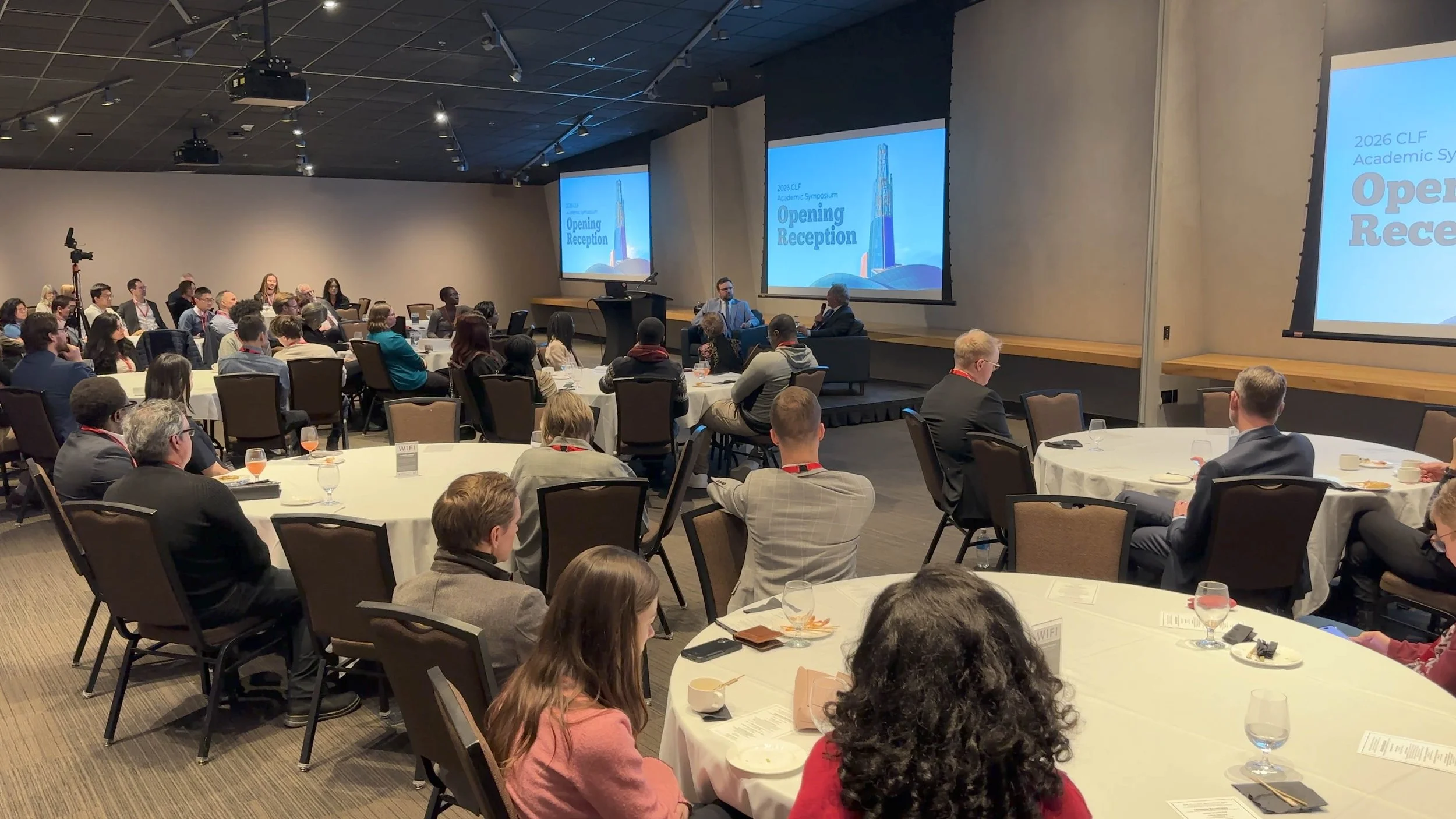
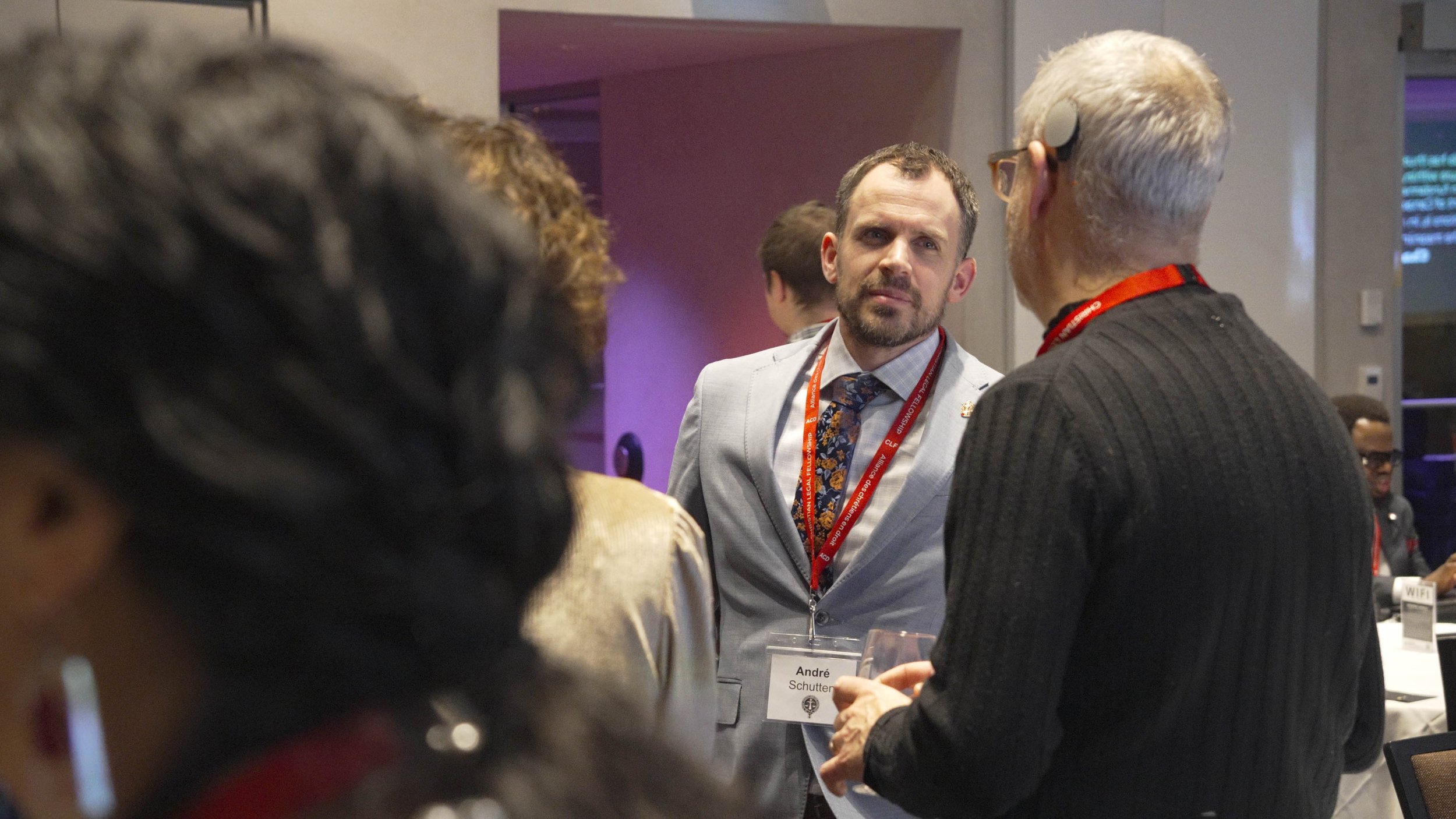
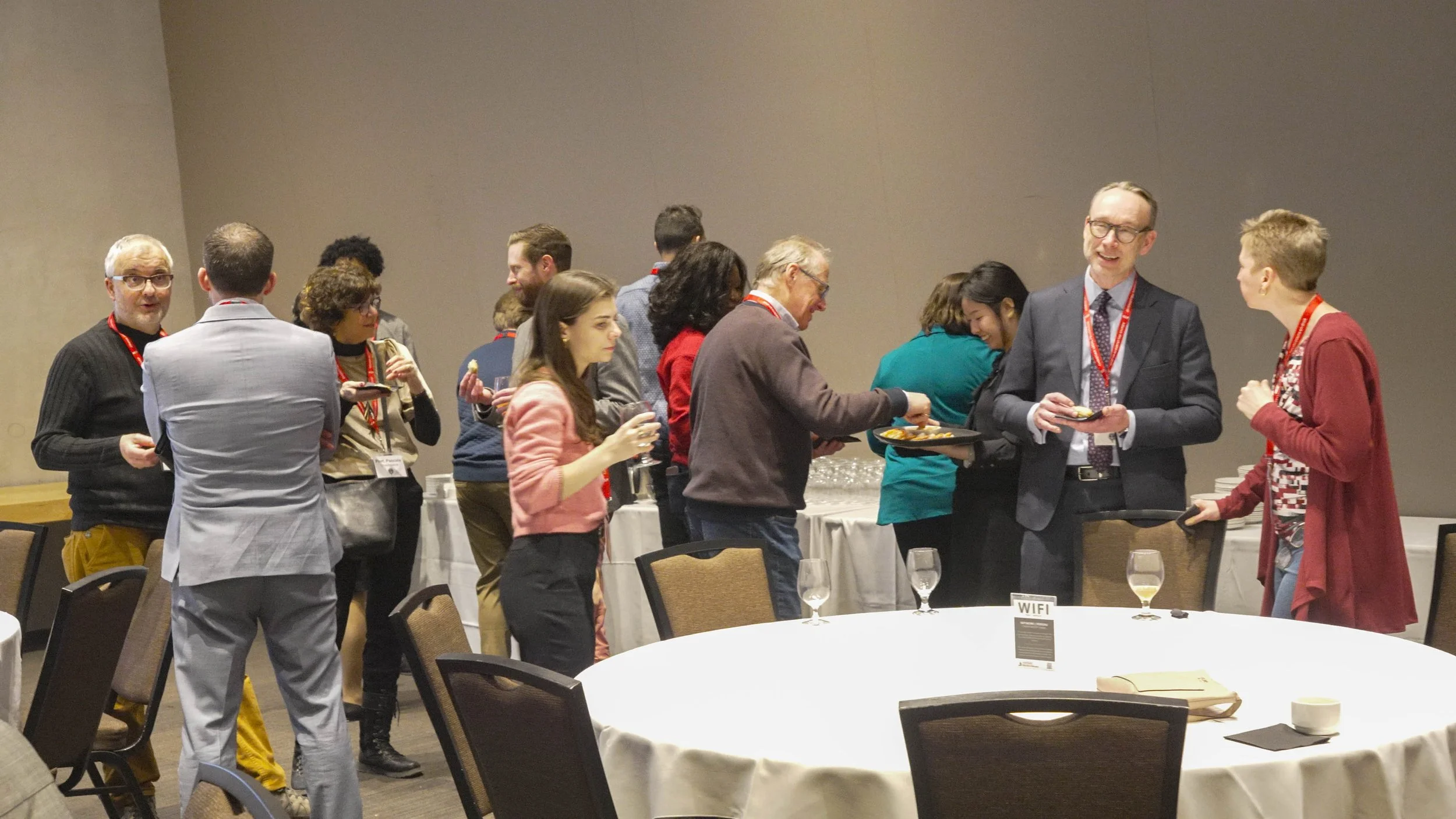
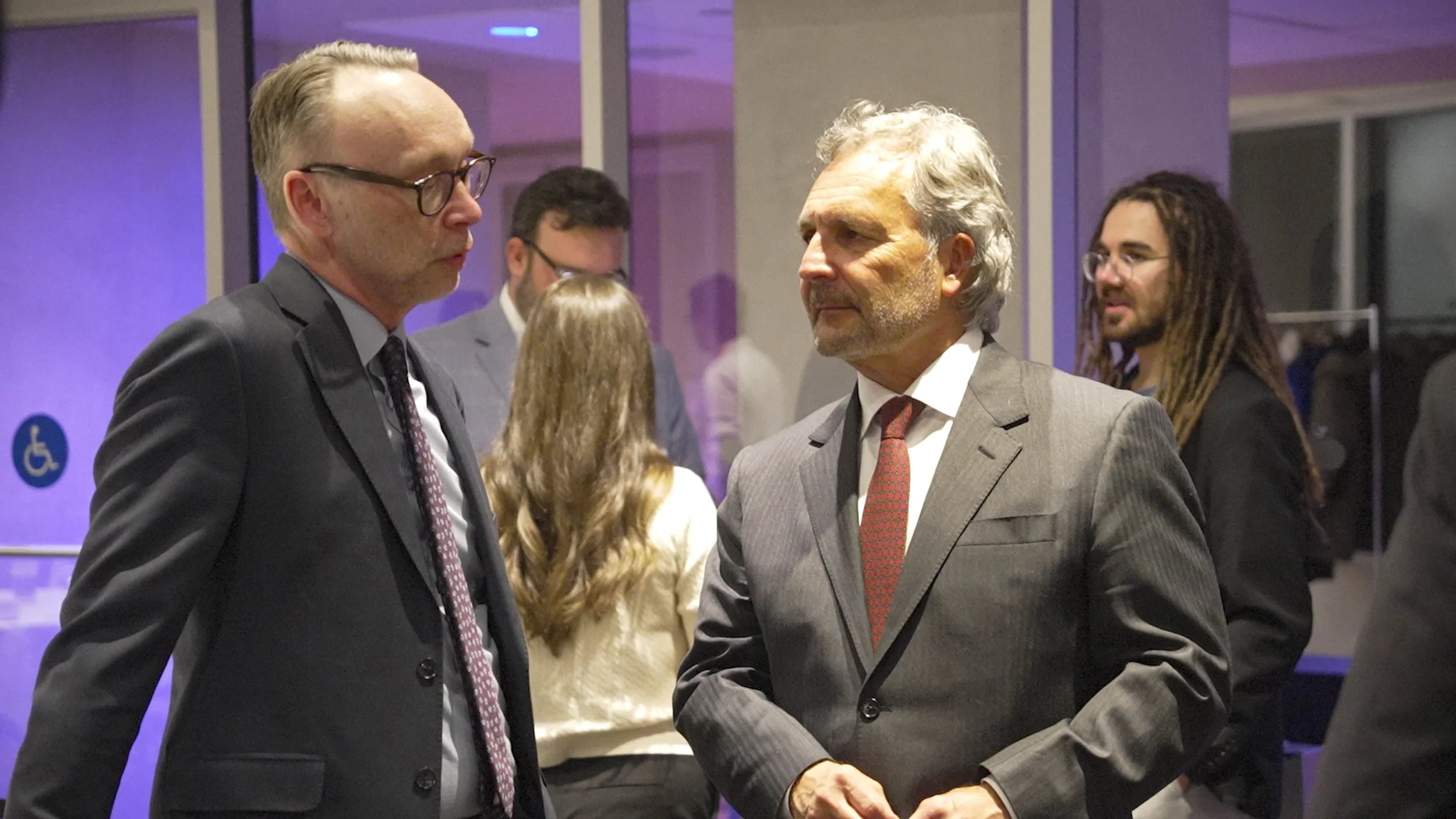
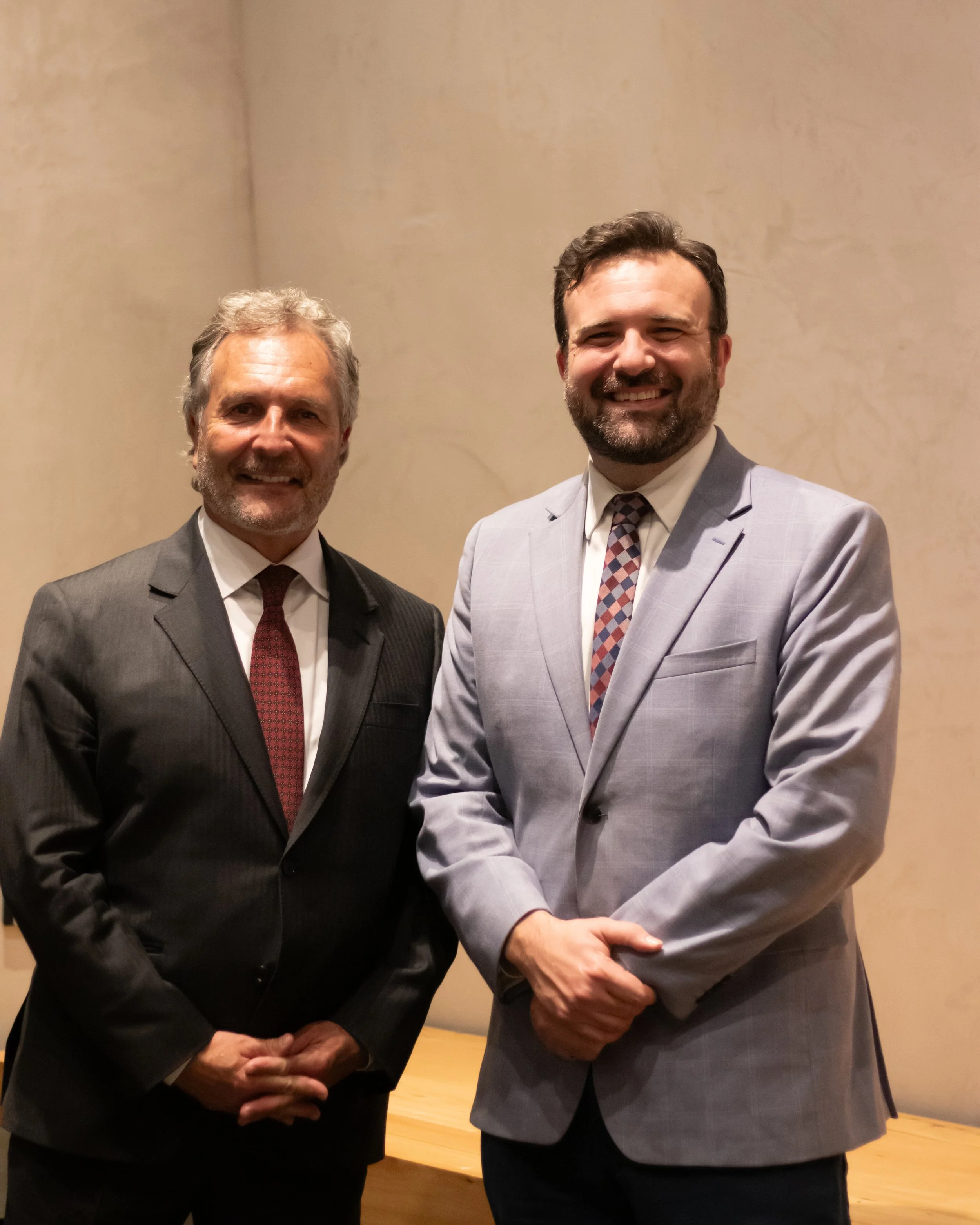
The Symposium opened with a special reception on Thursday evening at the Canadian Museum for Human Rights, featuring a tour of the Museum’s exhibits on the international covenants, and a fireside chat with Chief Justice Glenn Joyal of the Manitoba Court of King’s Bench.
In a discussion with Derek Ross of Christian Legal Fellowship, Chief Justice Joyal shared his reflections on life, law, and judging. He highlighted the cardinal virtues of prudence, justice, forbearance, and temperance – to which he added others such as humility, wisdom, and open-mindedness – as central to our engagement with the law. He encouraged listeners to pursue their intellectual interests and engage in normative thinking around not just what is, but what ought to be – an encouragement for and commendation of the symposium ahead. He emphasized the importance of keeping sound perspective in the legal profession, noting the value of pluralism and of preserving space for those with whom you may not have agreement.
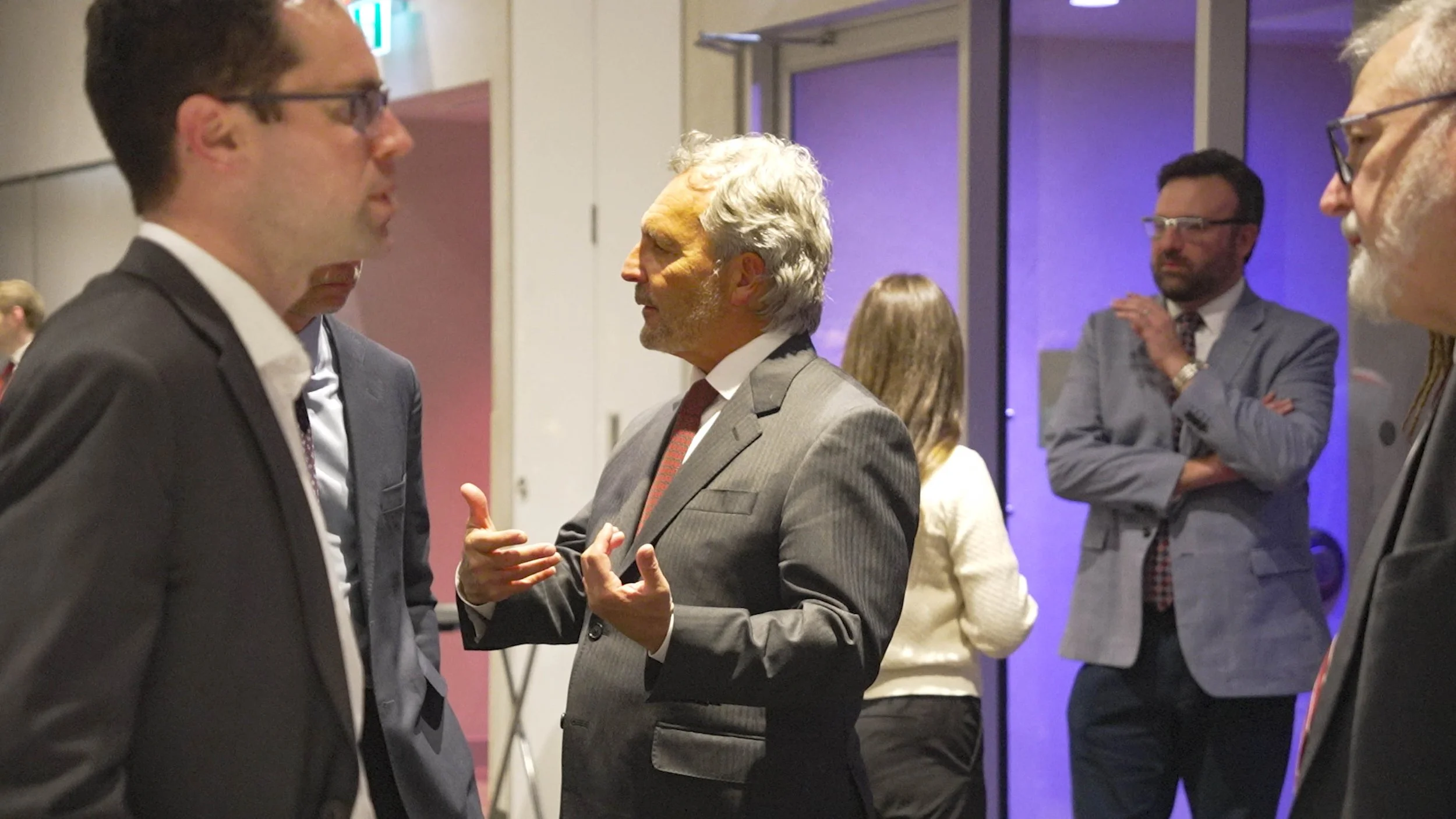
Chief Justice Joyal also urged listeners to be curious, both in- and out-side of the law, particularly in relation to the concept of human dignity. This, he stated, is the lynchpin for appreciating and understanding moral and religious perspectives surrounding human rights.
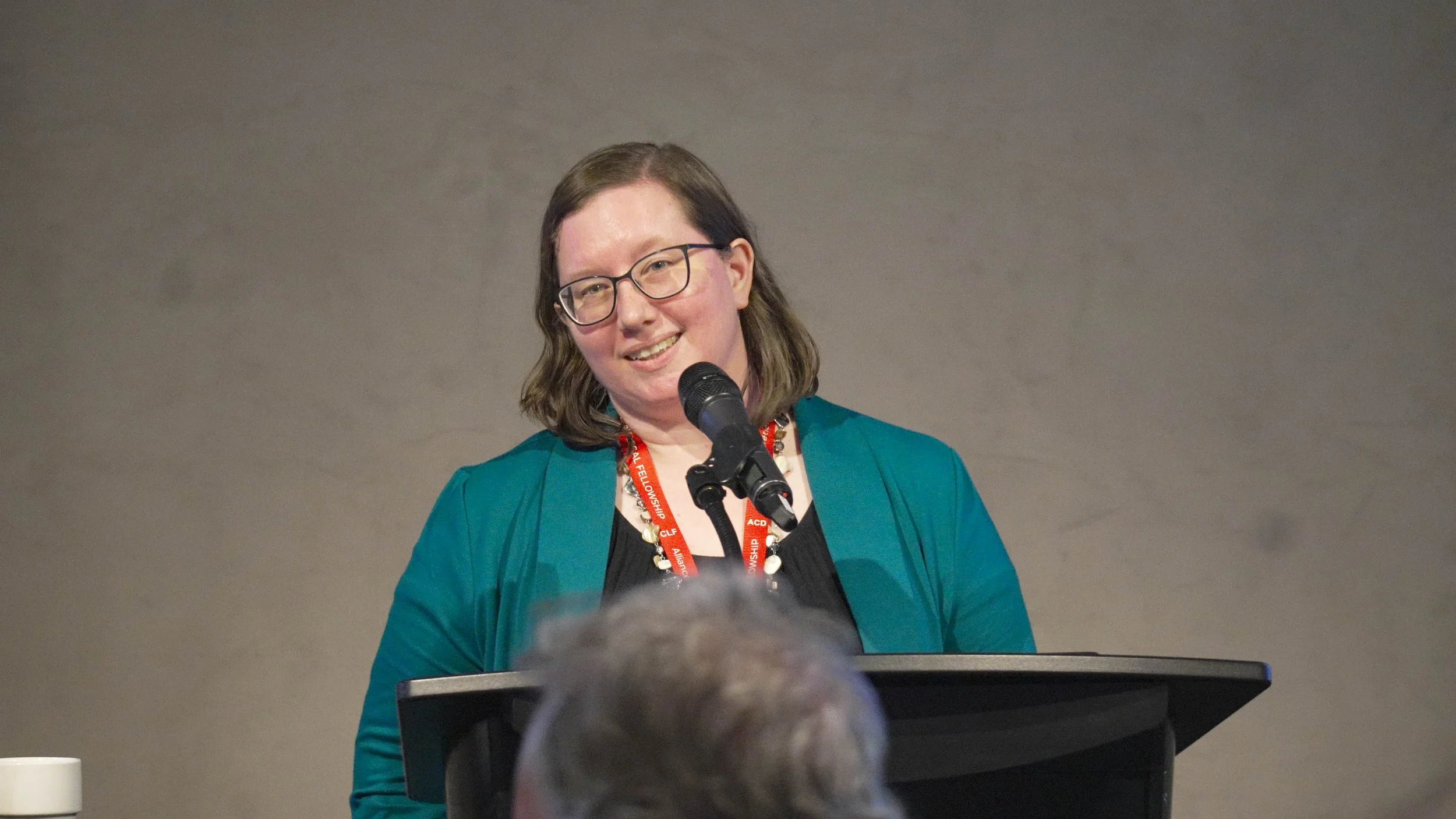

A Day of Enriching Discussions
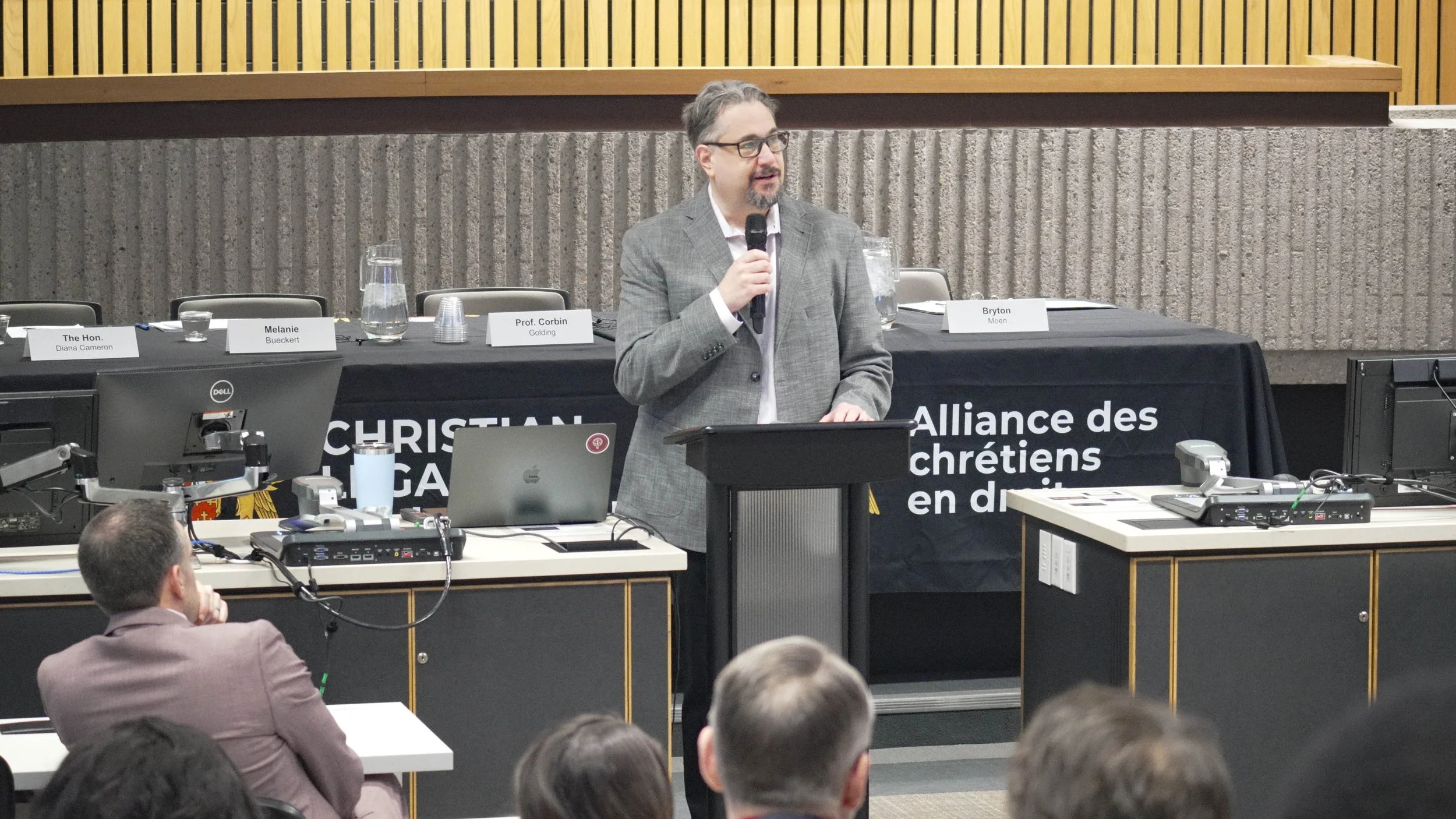
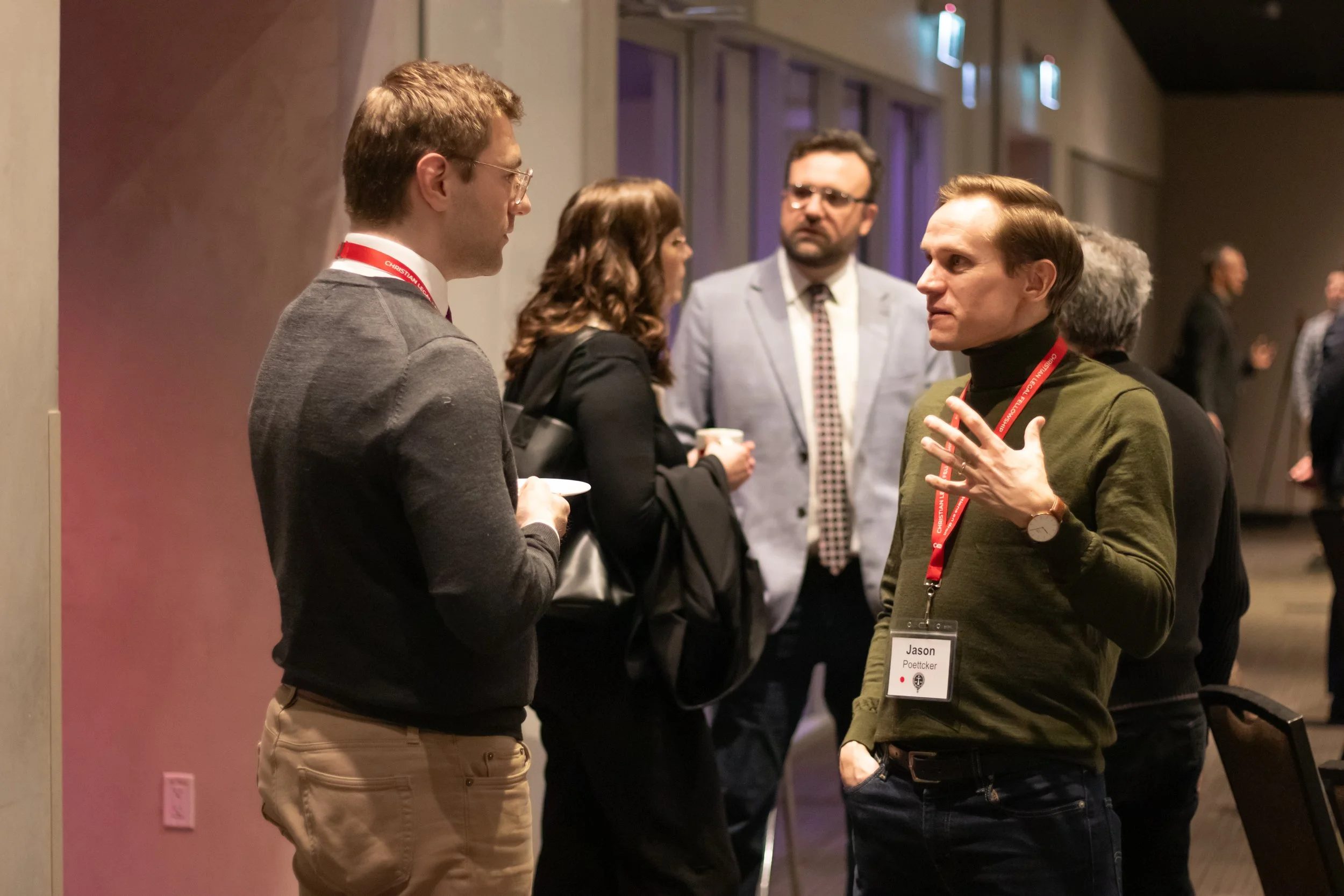
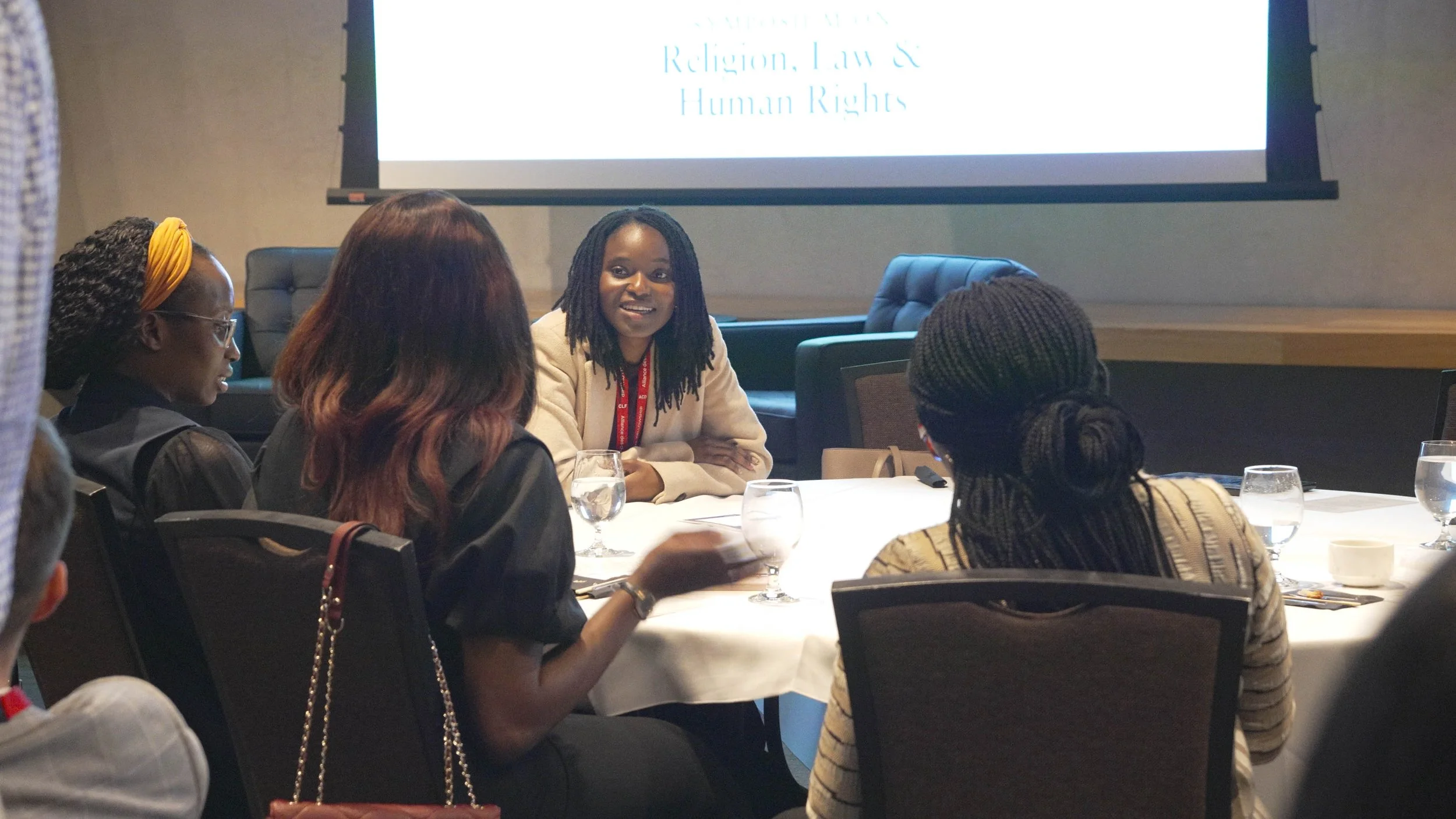
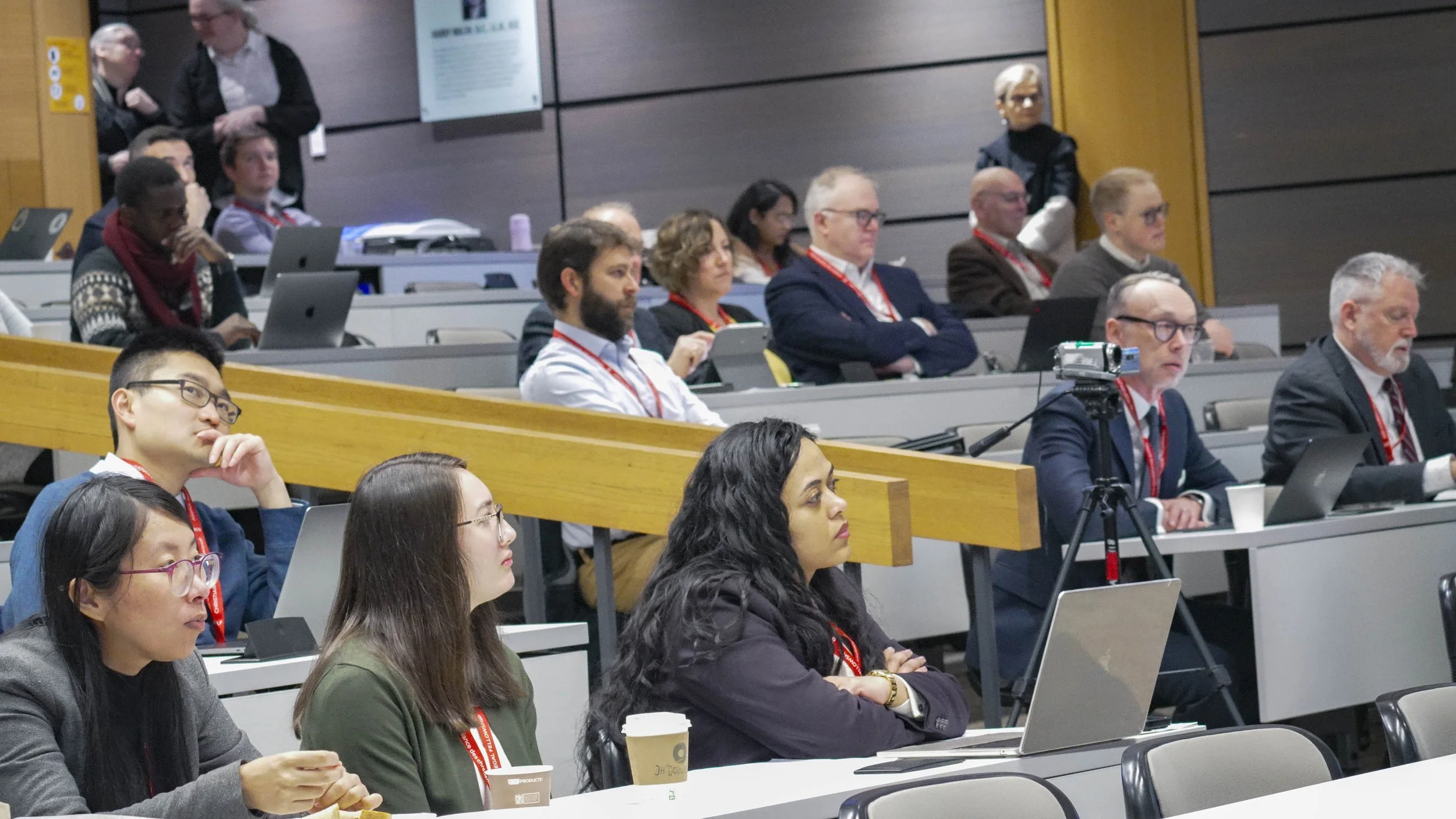
The Friday Symposium was thoughtfully structured around five themed panel discussions, each designed to explore critical intersections of law, religion, and human rights. The day began with opening remarks from Dean Richard Jochelson of Robson Hall, who underscored the significance of such academic gatherings in fostering respectful dialogue and advancing nuanced understanding of complex legal and social issues. Dean Jochelson expressed his strong support for the discussions facilitated by the Symposium, as well as CLF’s National Law Student Conference, scheduled to follow on February 14 and 15, 2026.
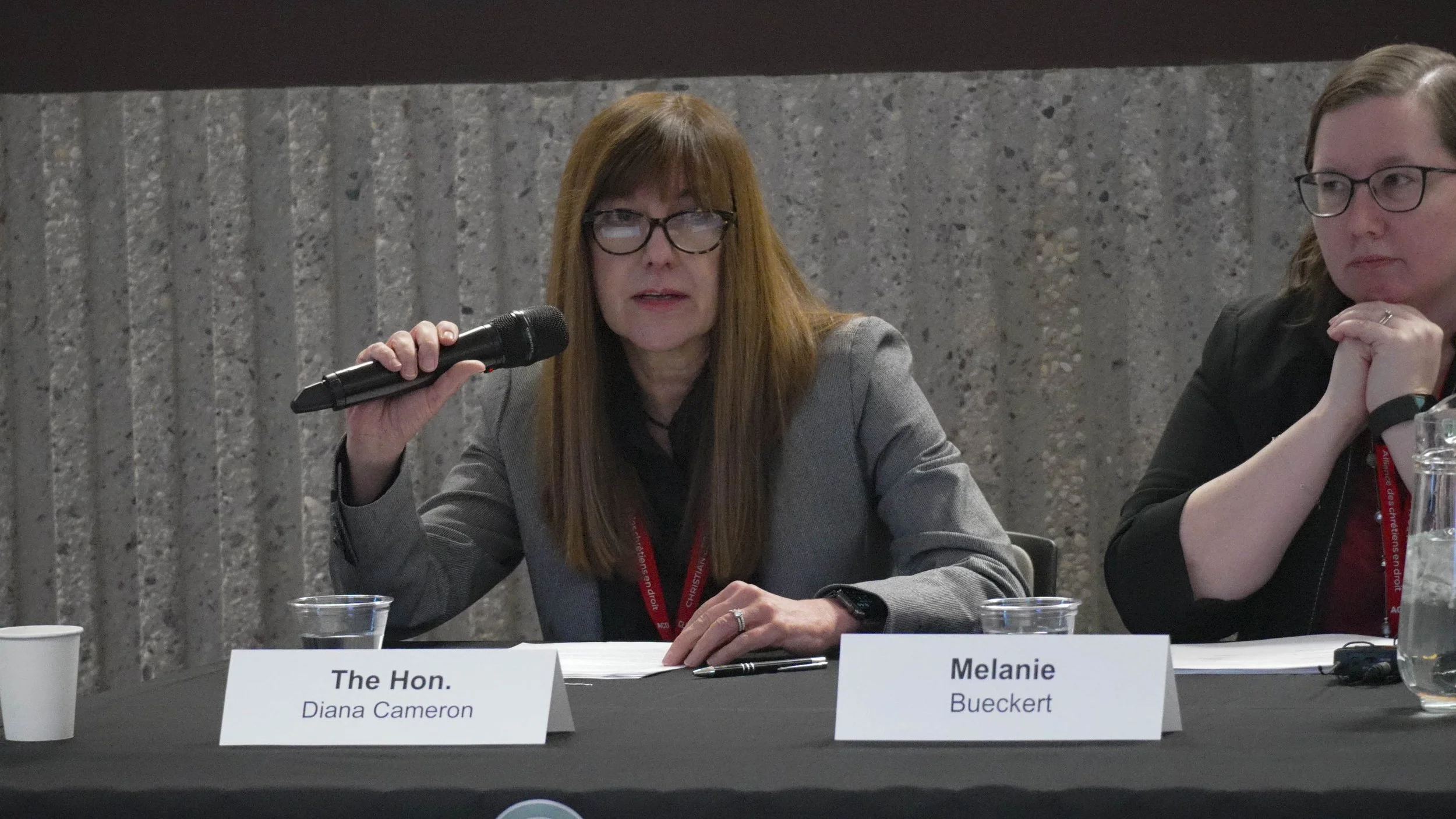
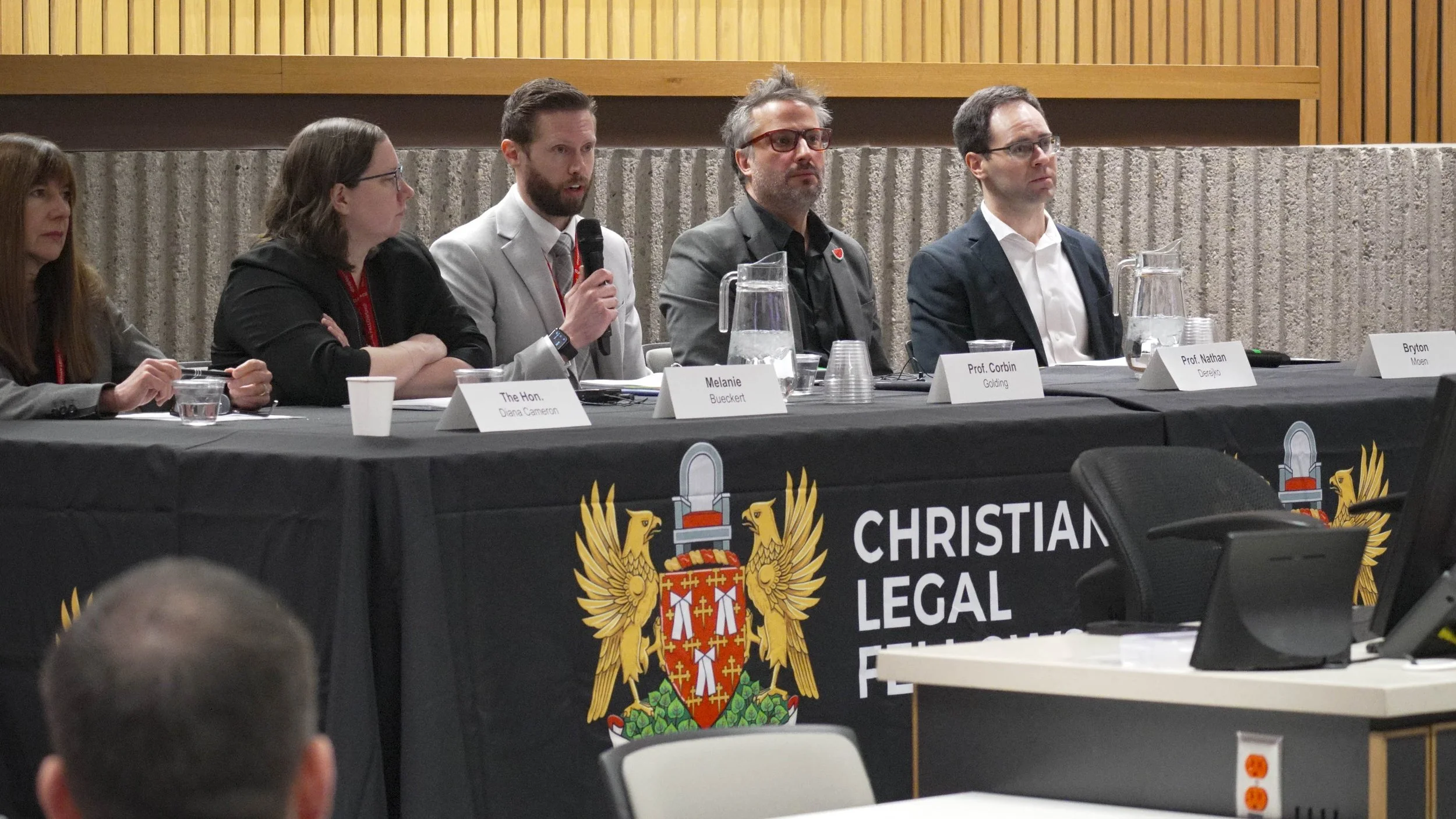
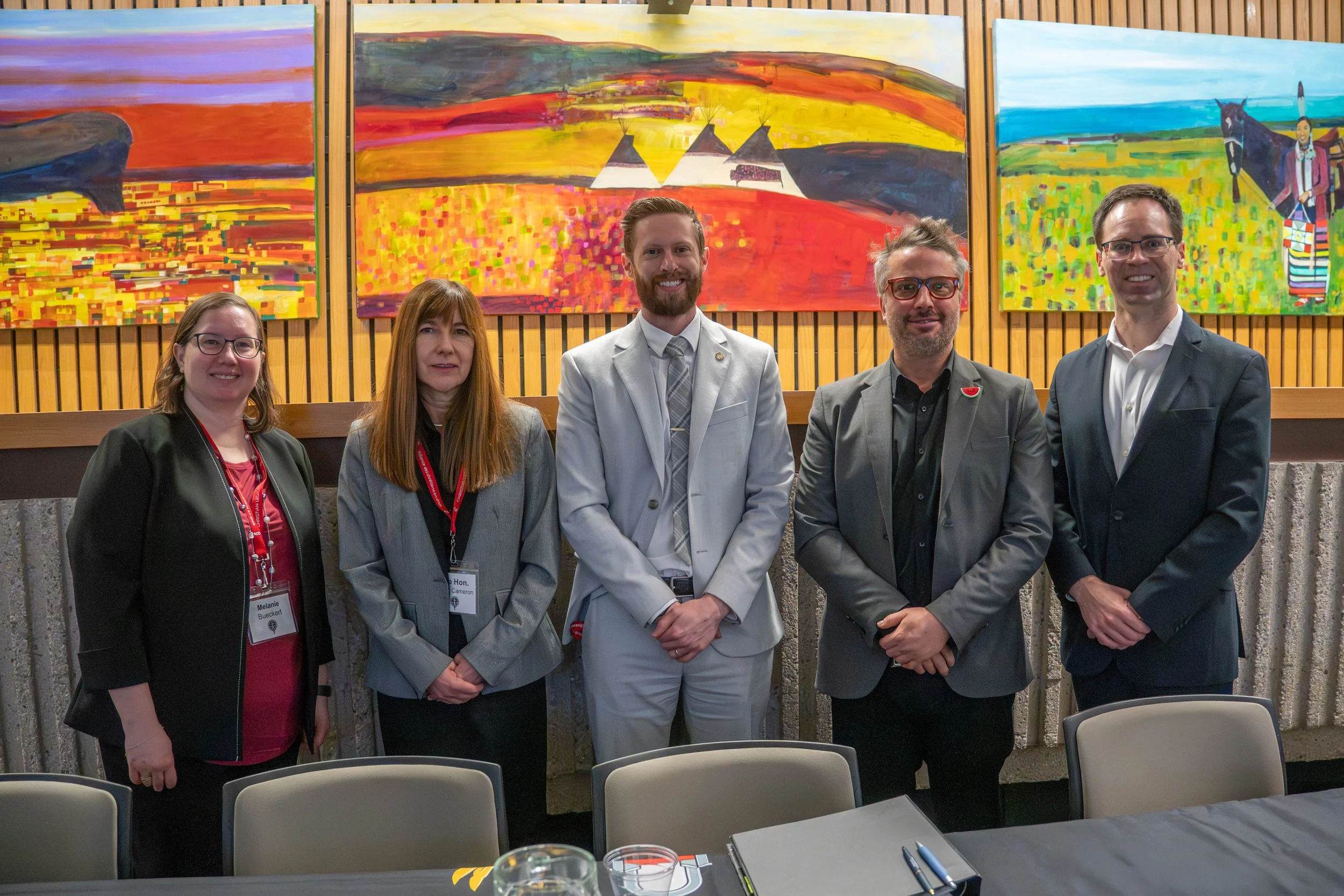
The opening panel of the Symposium, titled “Commemorating the 50th anniversary of Canada’s ratification of the International Covenant on Civil and Political Rights (ICCPR) and the International Covenant on Economic, Social and Cultural Rights (ICESCR)”,[1] set the tone for the day. The panel began with a joint presentation by the Honourable Justice Diana Cameron and Melanie Bueckert (Senior Research Counsel), both from the Manitoba Court of Appeal. Together, they examined the Covenants’ influence on Canadian jurisprudence, particularly on the Canadian Charter of Rights and Freedoms[2] and the principles of fundamental justice. They explored relevant case law emphasizing that these legal principles can be informed by, and understood in light of, broader human rights commitments including international conventions. In this vein, the speakers emphasized the foundational role of human dignity in the interpretation of both the Covenants and the Charter. They referenced Re BC Motor Vehicle Act[3] in which Justice Lamer affirmed the longstanding principle that the innocent must not be punished – a principle founded upon a belief in the dignity and inherent worth of the human person.
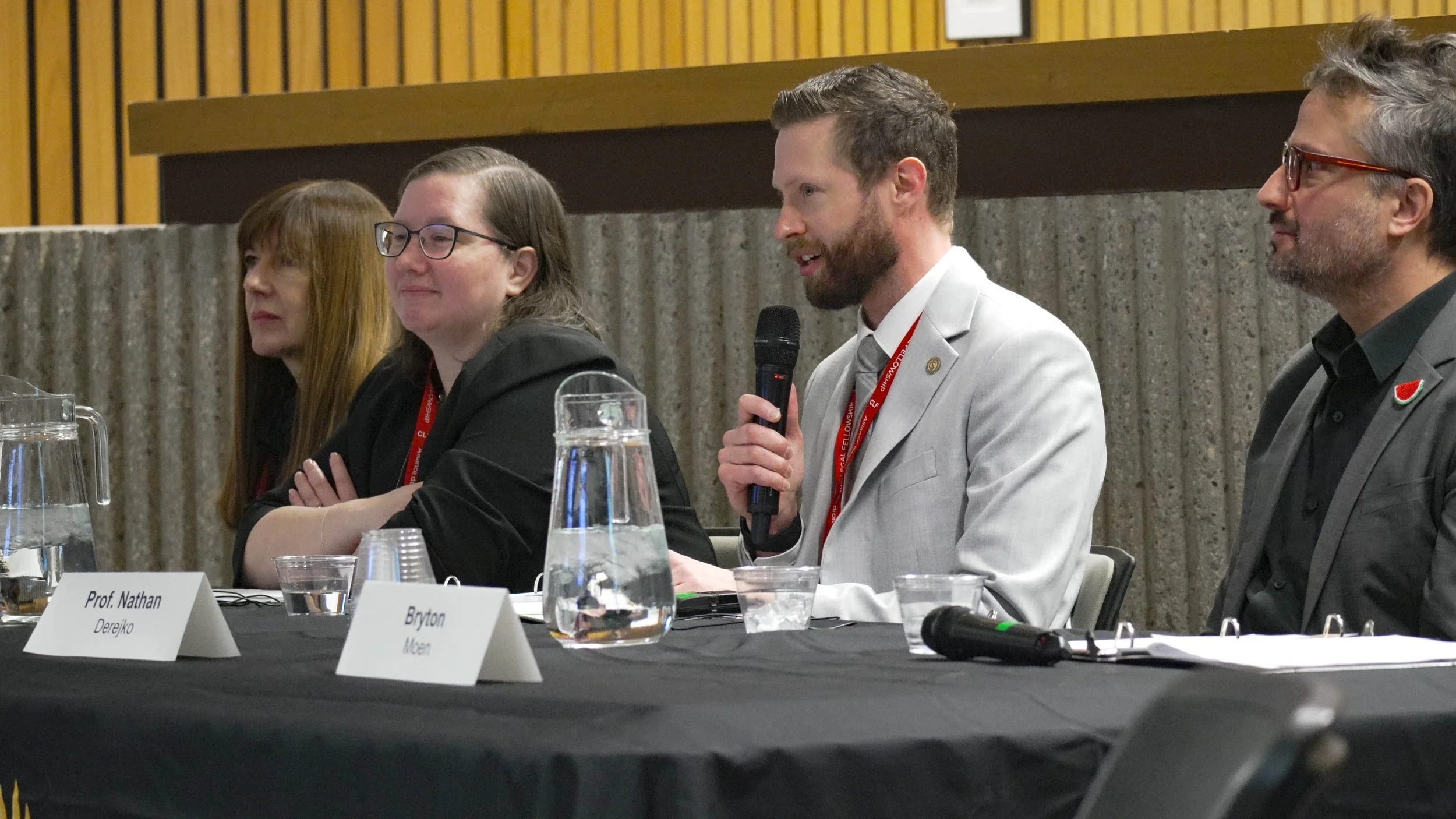
Building on this theme, Professor Corbin Golding of University of Saskatchewan College of Law examined human dignity as both a guiding principle and a contested concept within constitutional interpretation. He noted that while dignity permeates rights discourse, it remains largely undefined by the courts.[4] Professor Golding argued that “dignity demands protection from deprivation” and maintained that the framers of the Constitution grounded rights in an understanding of the inherent worth of every human being. Tracing the concept of human dignity to its development in Christian theology, Professor Golding explained that dignity carries corresponding moral obligations. He stated that this view binds rights and responsibilities together. He concluded by affirming that human dignity lies at the very centre of the international human rights Covenants.
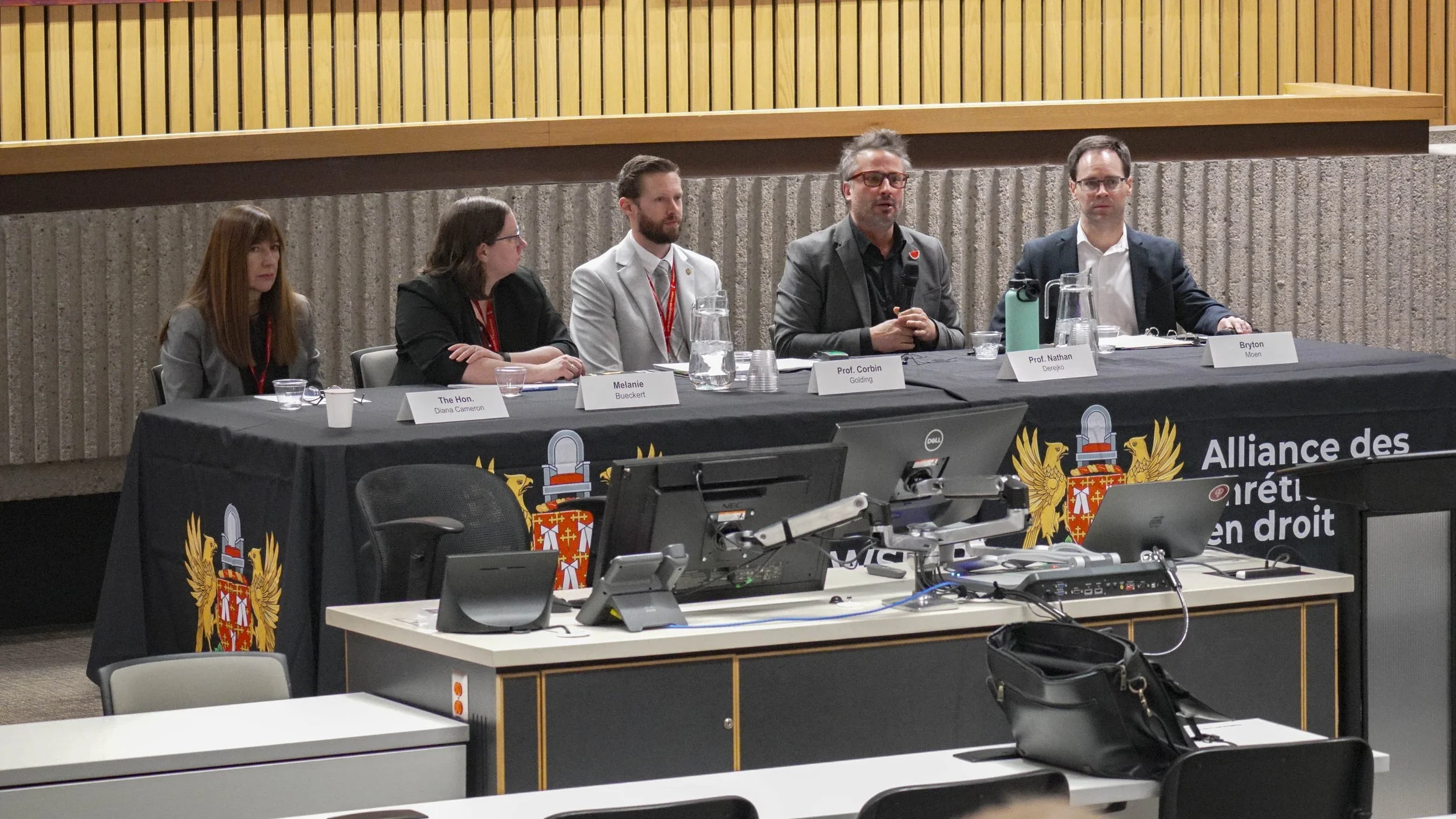
Professor Nathan Derejko of Robson Hall then turned the discussion toward social, cultural, and economic rights in Canada, which deepened the panel’s central focus on human dignity. He argued that when individuals lack meaningful protection under human rights instruments, respect for their dignity is gradually diminished, leaving them vulnerable to neglect and marginalization. Professor Derejko emphasized that these gaps are more than technical or legal oversights; rather they reflect broader failures of the state to recognize and uphold the inherent worth of its citizens. By framing social, cultural, and economic rights as essential to the preservation of human dignity, he highlighted how the protection (or neglect) of these rights has profound consequences.
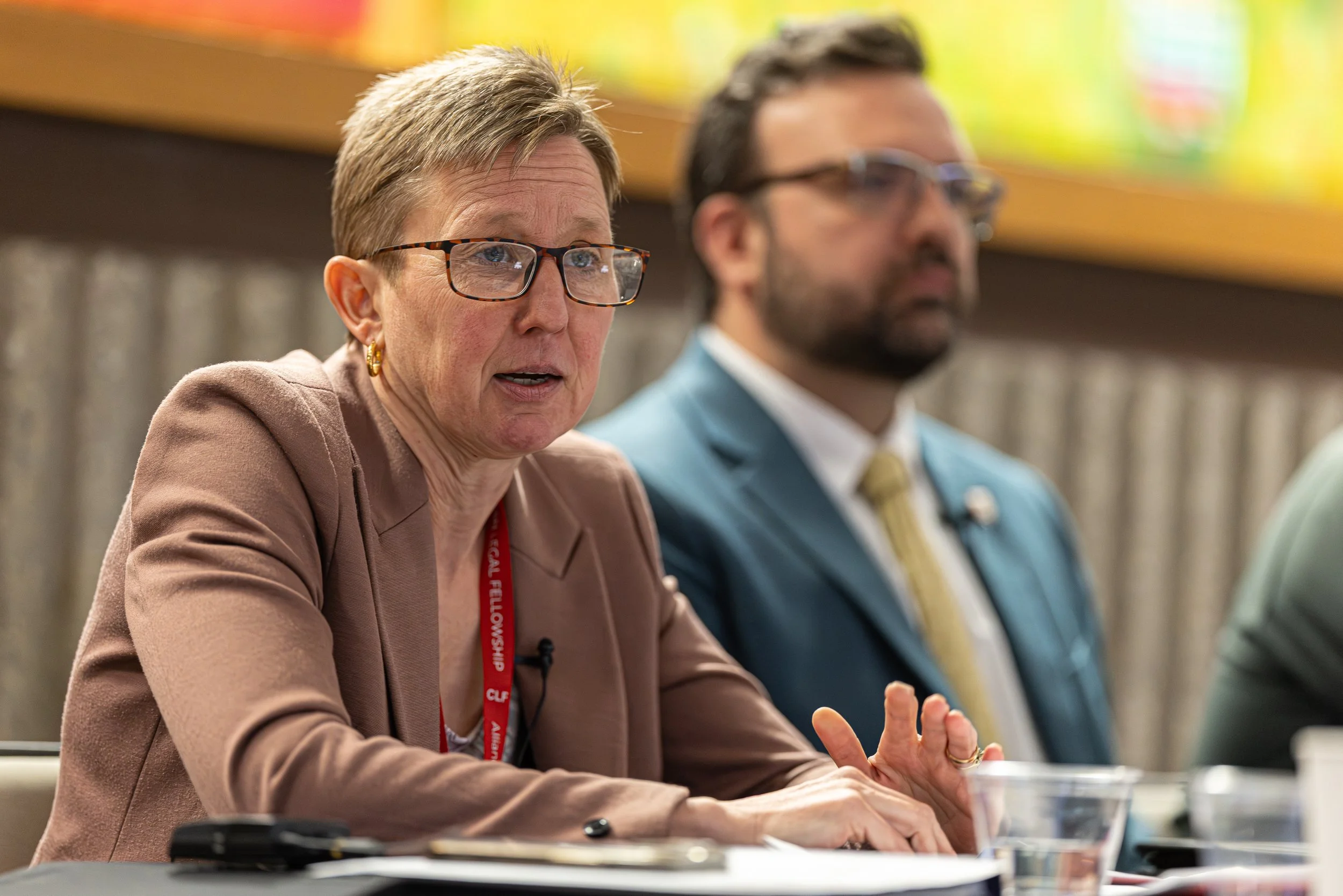
The second panel, titled “Fundamental Freedoms: Expression, Opinion, Religion, Assembly & Association”, shifted the focus to the practical tensions that arise when core rights intersect. The first speaker, Professor Erika Chamberlain of Western University’s Faculty of Law, brought a distinctive private law perspective to the discussion. Drawing on her expertise in torts, she explored the evolving concept of privacy and queried whether the emerging tort of public disclosure of private facts might be relevant to freedom of opinion (protected in both the Charter and in the ICCPR). She explored how the law might respond to instances where individuals share an opinion (including ones they are still exploring or developing) in presumptively private settings, but which are then subsequently publicized without their consent for malicious purposes. Her remarks highlighted how the protection of individual dignity and autonomy increasingly operate not only through constitutional law, but also through developments in the common law.
Next, Derek Ross of Christian Legal Fellowship (CLF), and visiting lecturer at Western Law, examined the fundamental freedoms protected under section 2 of the Charter. He expressed that the Charter’s drafters were significantly influenced by the ICCPR, especially Articles 18 to 22, which protect freedoms of religion, expression, assembly, and association as directly seen in section 2 of the Canadian Charter. Drawing from the international law principle that all human rights are interconnected and mutually reinforcing, Ross explored the interrelationship among the section 2 freedoms, arguing that they should not be interpreted in isolation. For instance, the section 2(d) right to freedom of association can deepen and strengthen claims under section 2(a), freedom of conscience and religion. He described section 2(d) as protecting a group’s ability to achieve collectively what individuals cannot achieve alone – a framing that can meaningfully inform future religious freedom jurisprudence. In his view, these freedoms ought to engage with one another rather than operate in silos, while still maintaining their distinctiveness.
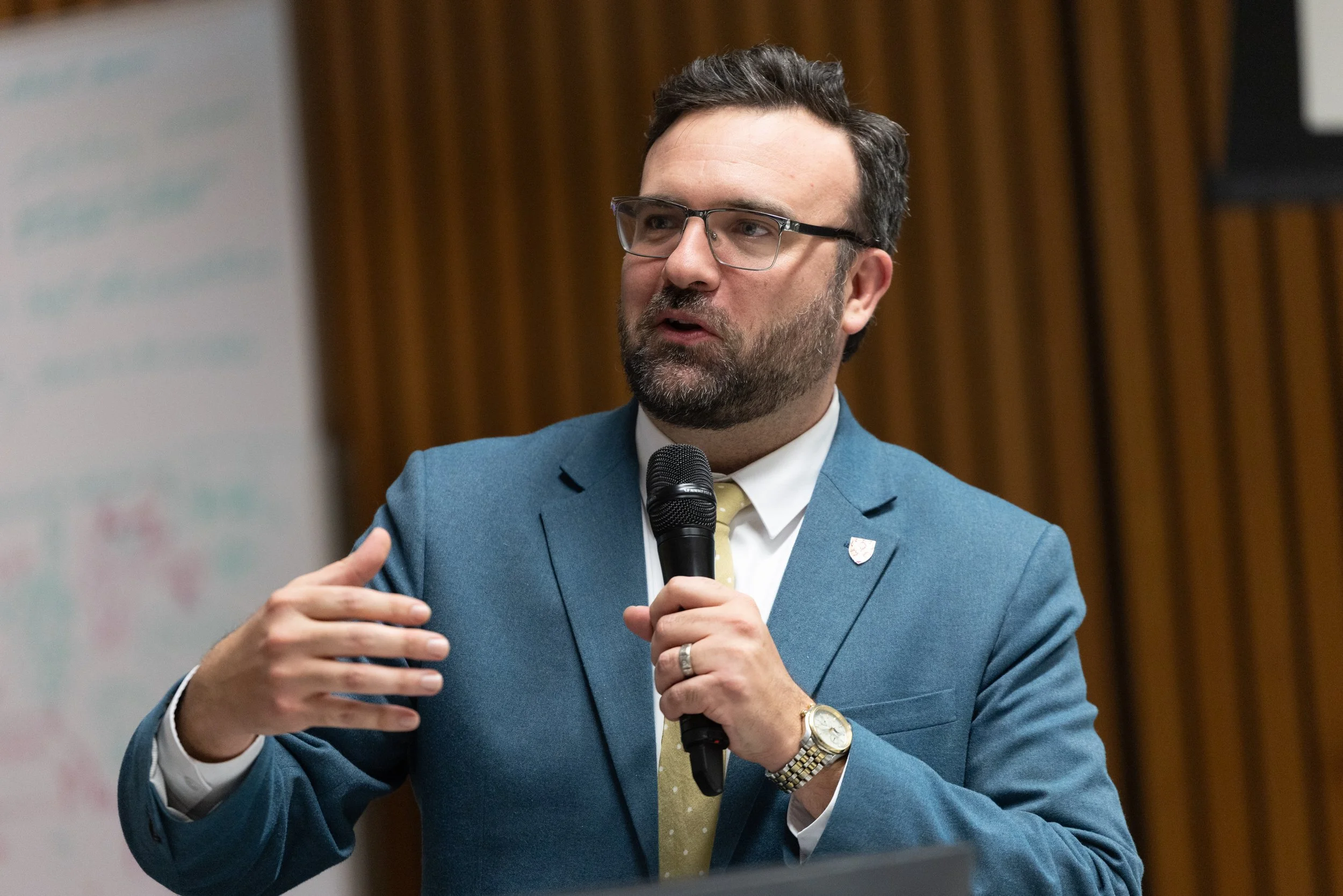
This insight proved particularly compelling in Ross’s discussion of religion, which he framed as inherently communal in nature. He argued that the full expression of religious freedom is often realized through collective practice, where faith is shared, nurtured, and enacted within a community. When religion is reduced to a solitary endeavor, he contended, a vital dimension of its meaning and social function is lost. Yet Canadian courts have historically conceptualized religious freedom predominantly as an individual right, and focused more on personal belief than collective expression. This individualistic framing, he argued, creates significant challenges in recognizing and adjudicating claims that arise from the communal dimensions of religion, thereby limiting the law’s ability to protect the social and relational aspects of religious life.
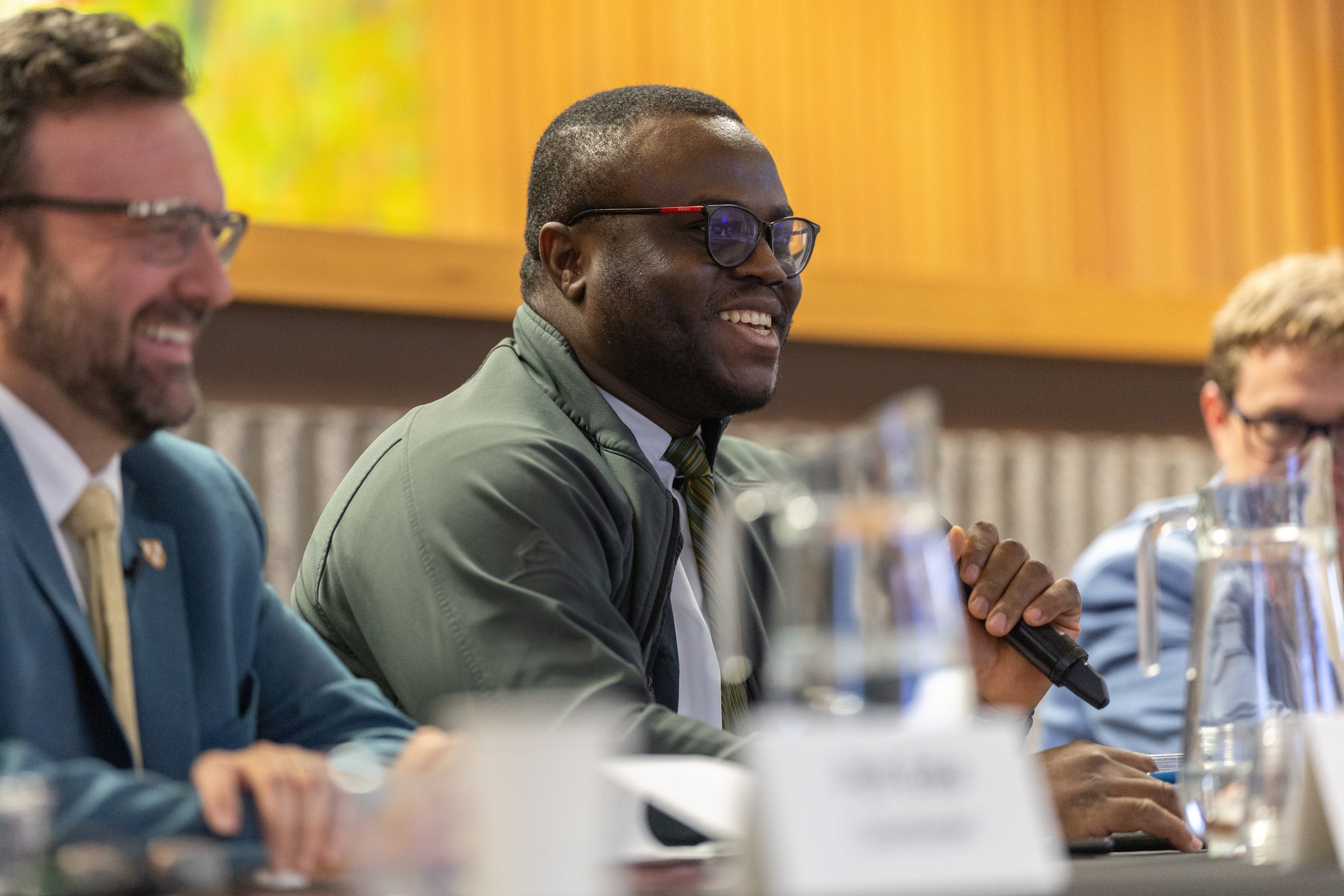
Kenechukwu Aneke (University of Saskatchewan) presented a paper he is developing with Professor Dwight Newman, KC. His remarks focused on the associational rights of sports organizations and the constitutional tensions that can arise within them. Aneke offered a compelling hypothetical example of a sports team requiring its members to sign a statement affirming support for a particular political position as a condition of continued membership. He suggested that such a requirement could infringe upon individual rights, particularly the freedoms of conscience, expression, and political belief. His presentation highlighted the delicate balance between an association’s autonomy and the constitutional protections afforded to its members.
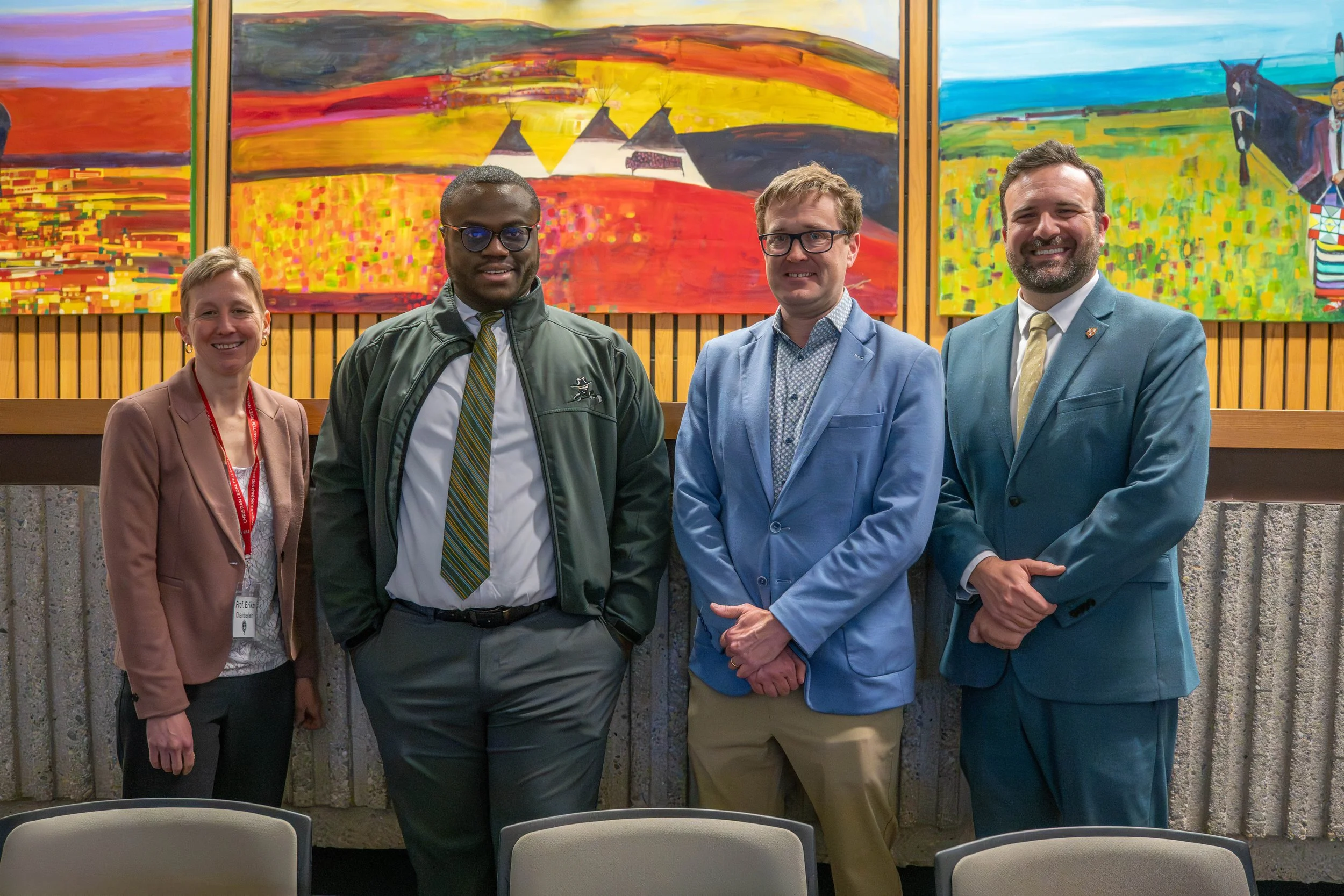
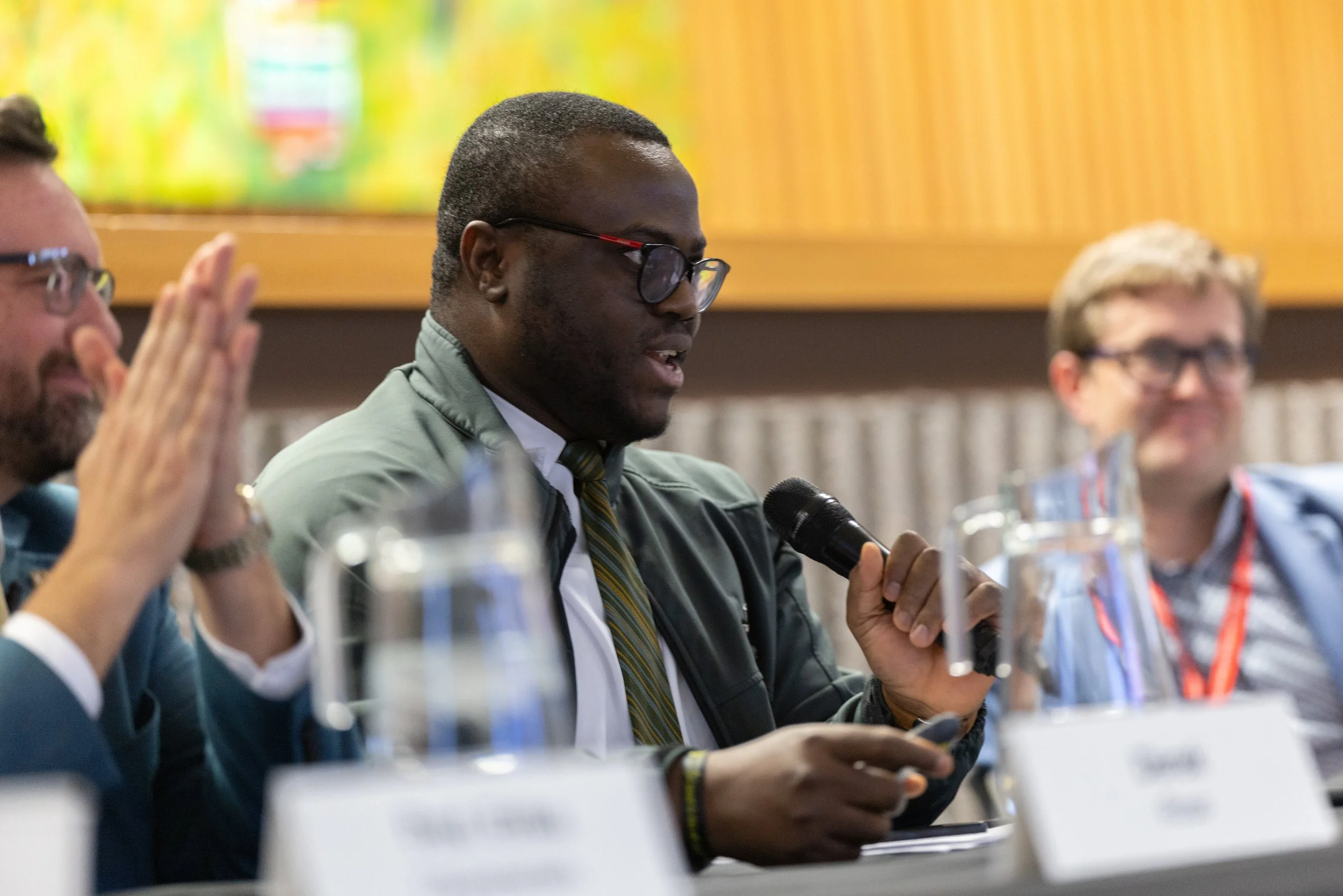
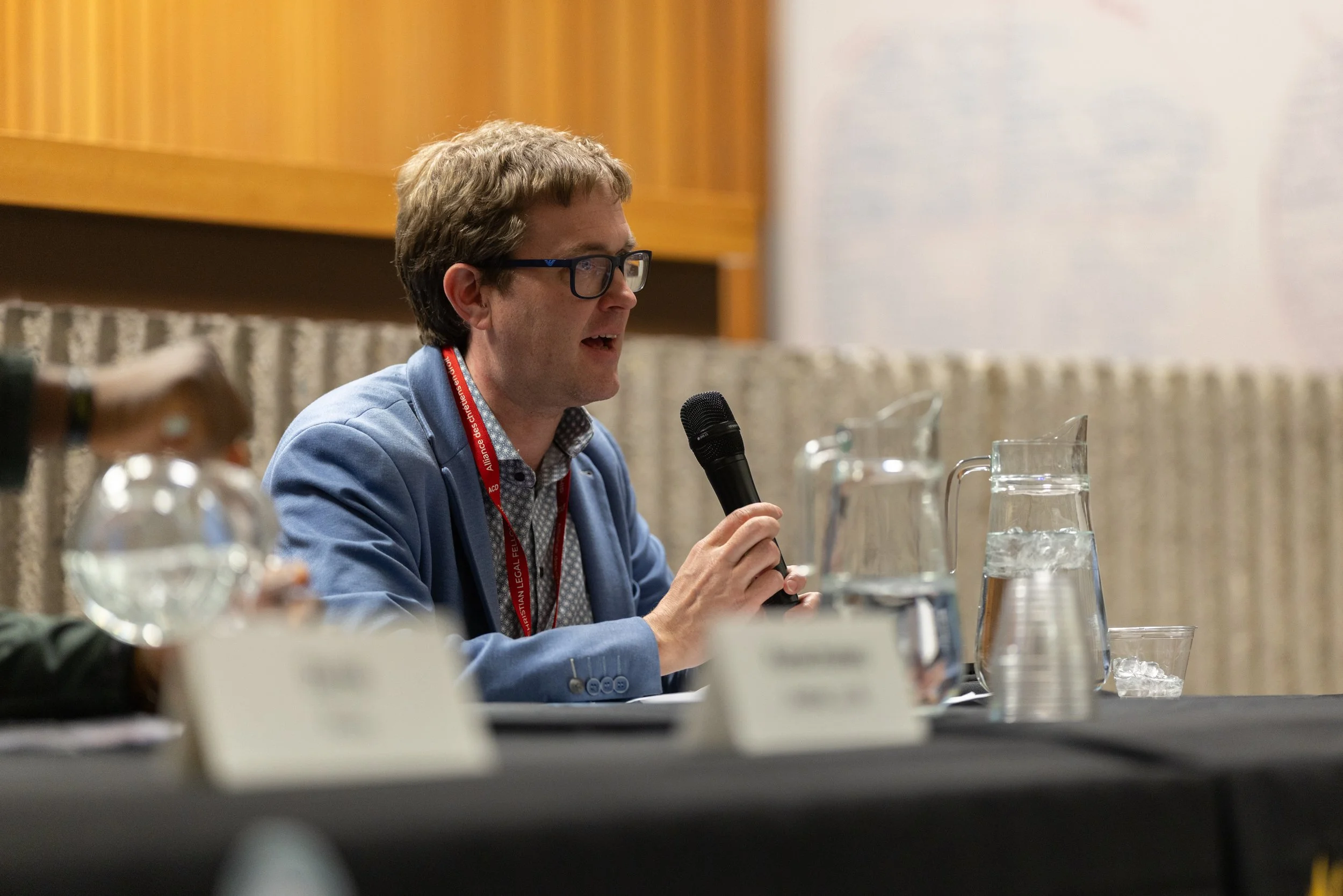
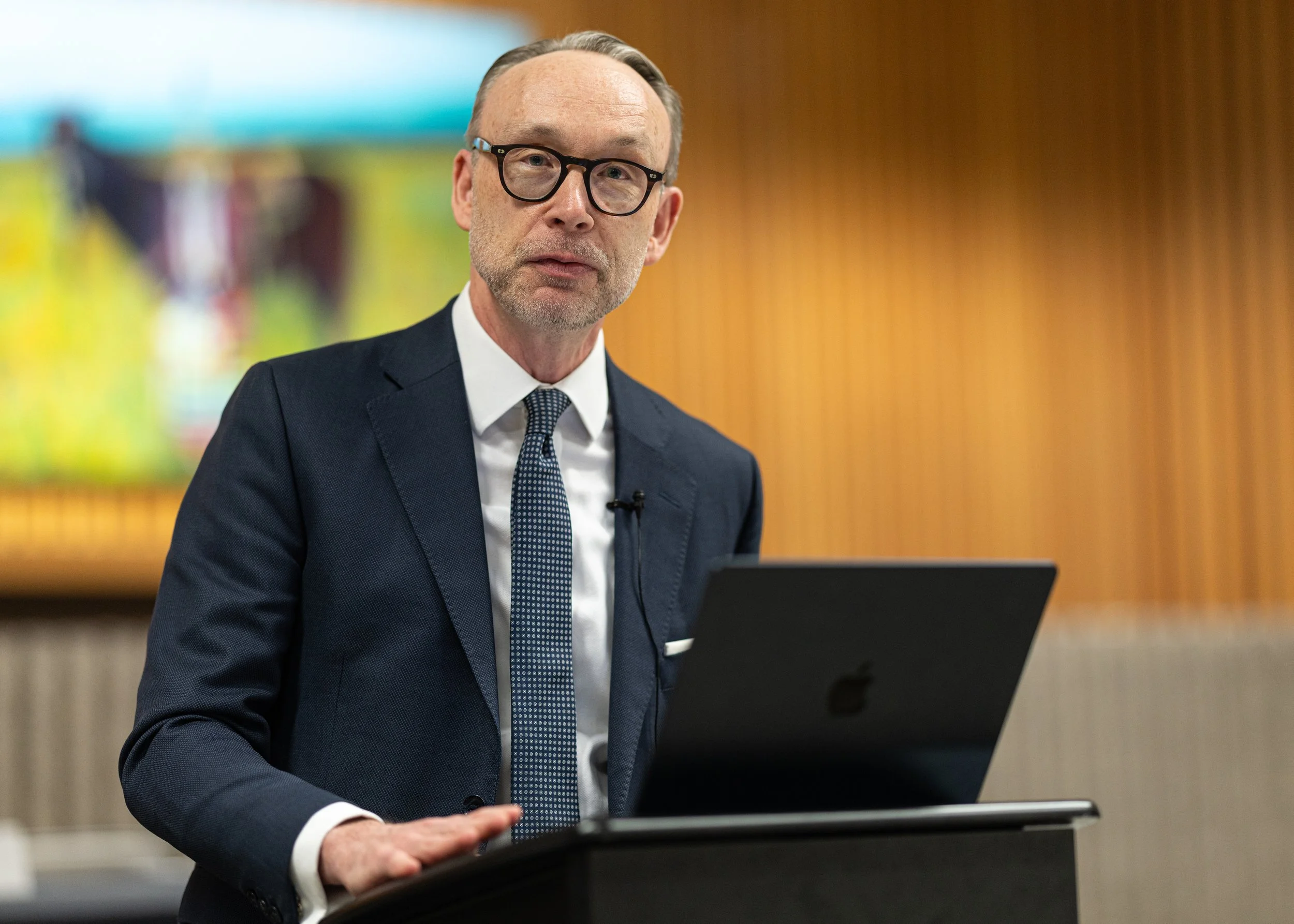
Gib Van Ert, KC of Olthius Van Ert LLP
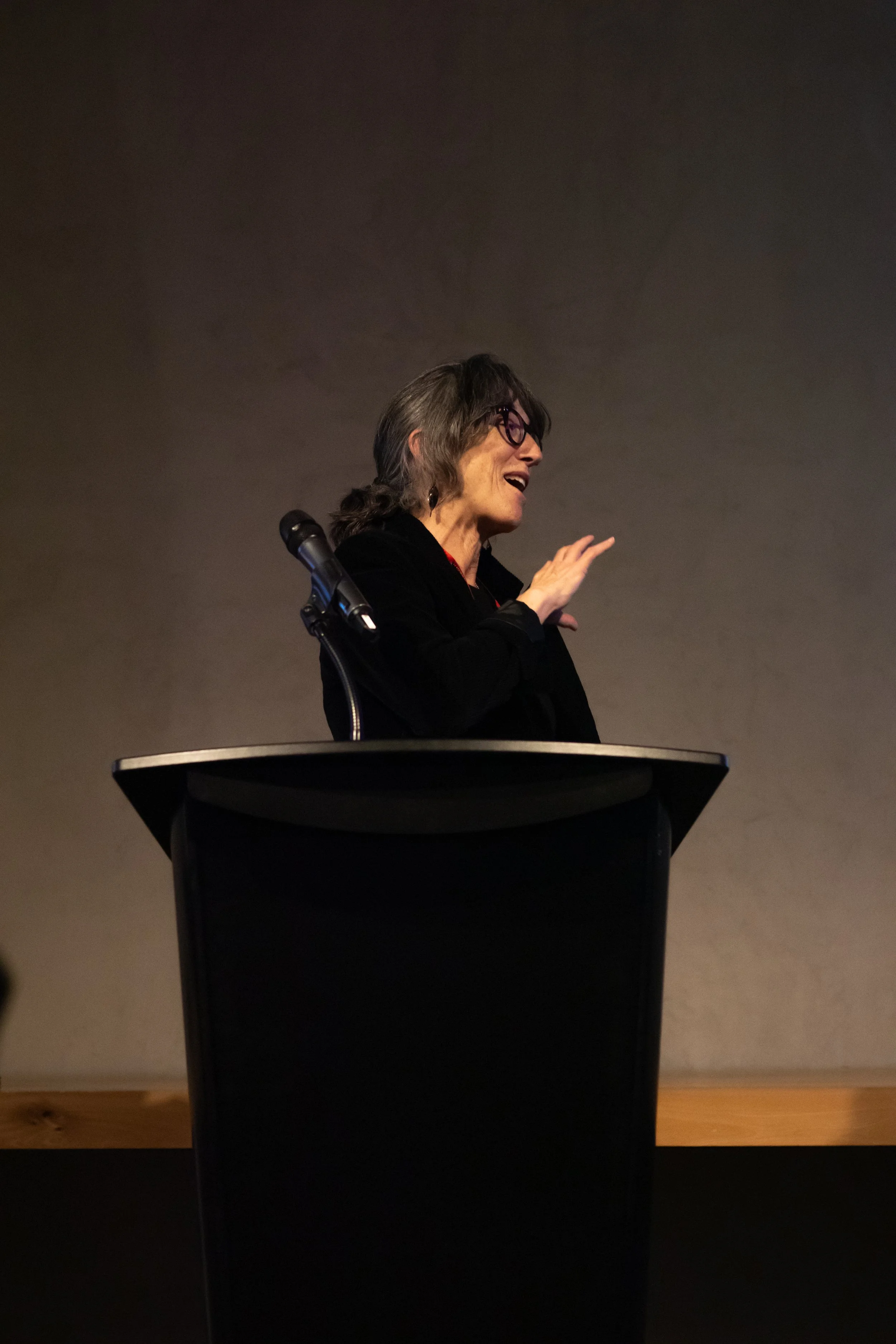
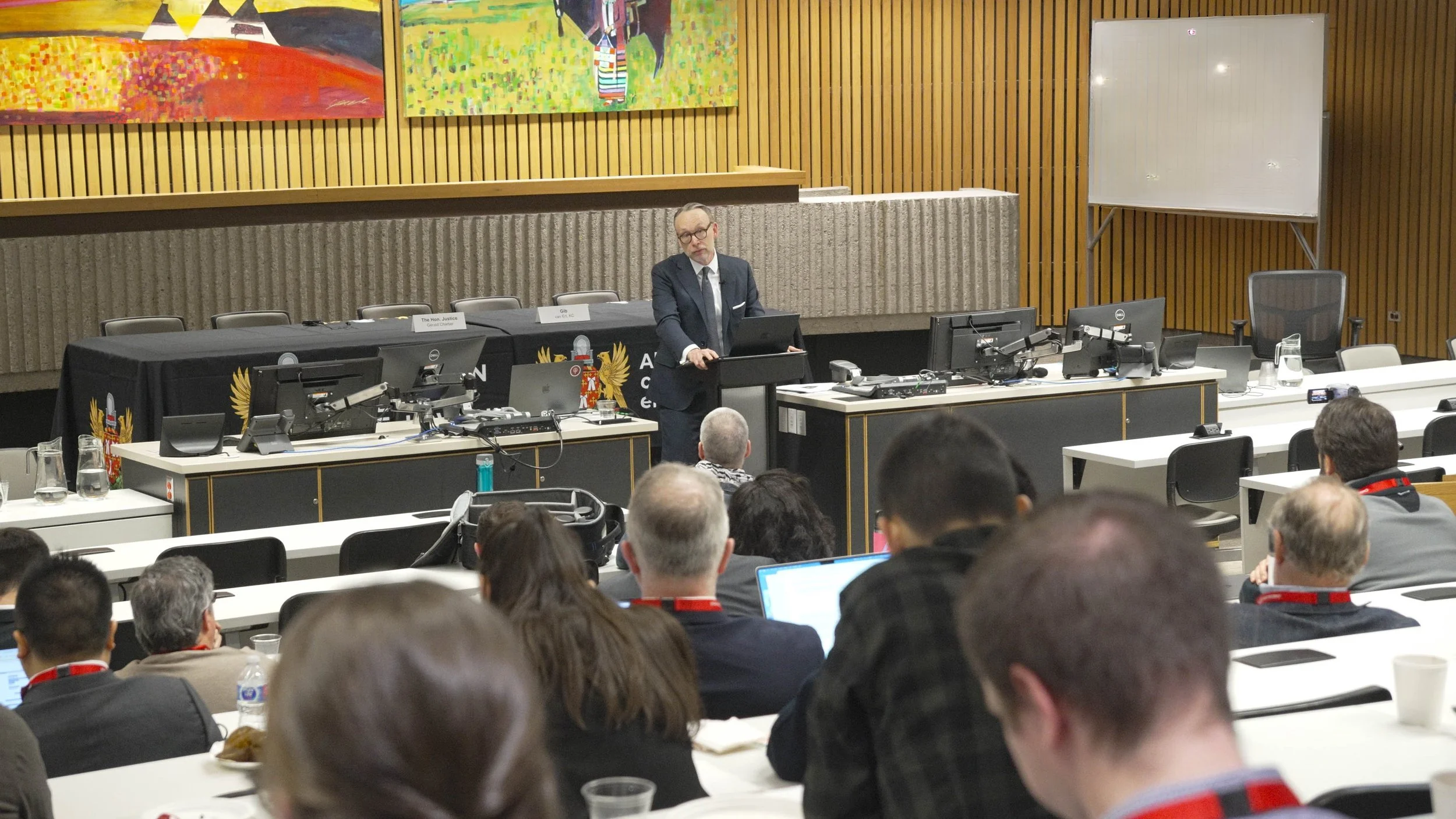
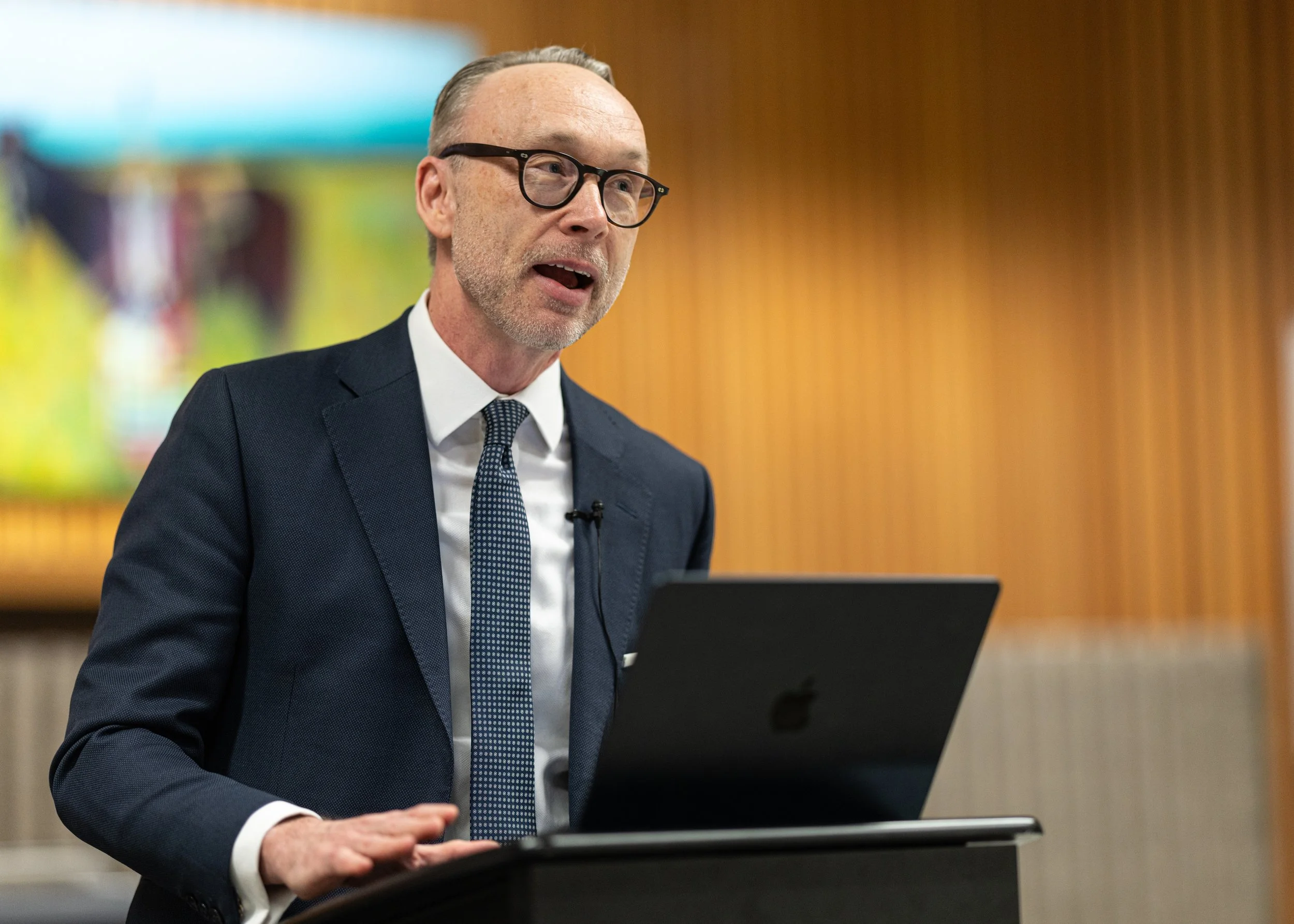
Next, attendees received a luncheon keynote address from Gib van Ert, KC (Olthuis van Ert LLP) on “‘Mere pious affirmations’? – 50 Years of the International Covenants in Canada”. Our keynote was introduced by Justice Gérald Chartier of the Manitoba Court of King’s Bench. Van Ert is a former president of the Canadian Council on International Law and the former Executive Legal Officer to two chief justices of Canada. Van Ert offered a comprehensive overview of how human rights have become entrenched in Canadian law, referencing Prime Minister Diefenbaker’s assertion that the preservation of human rights is foundational to global peace and stability.
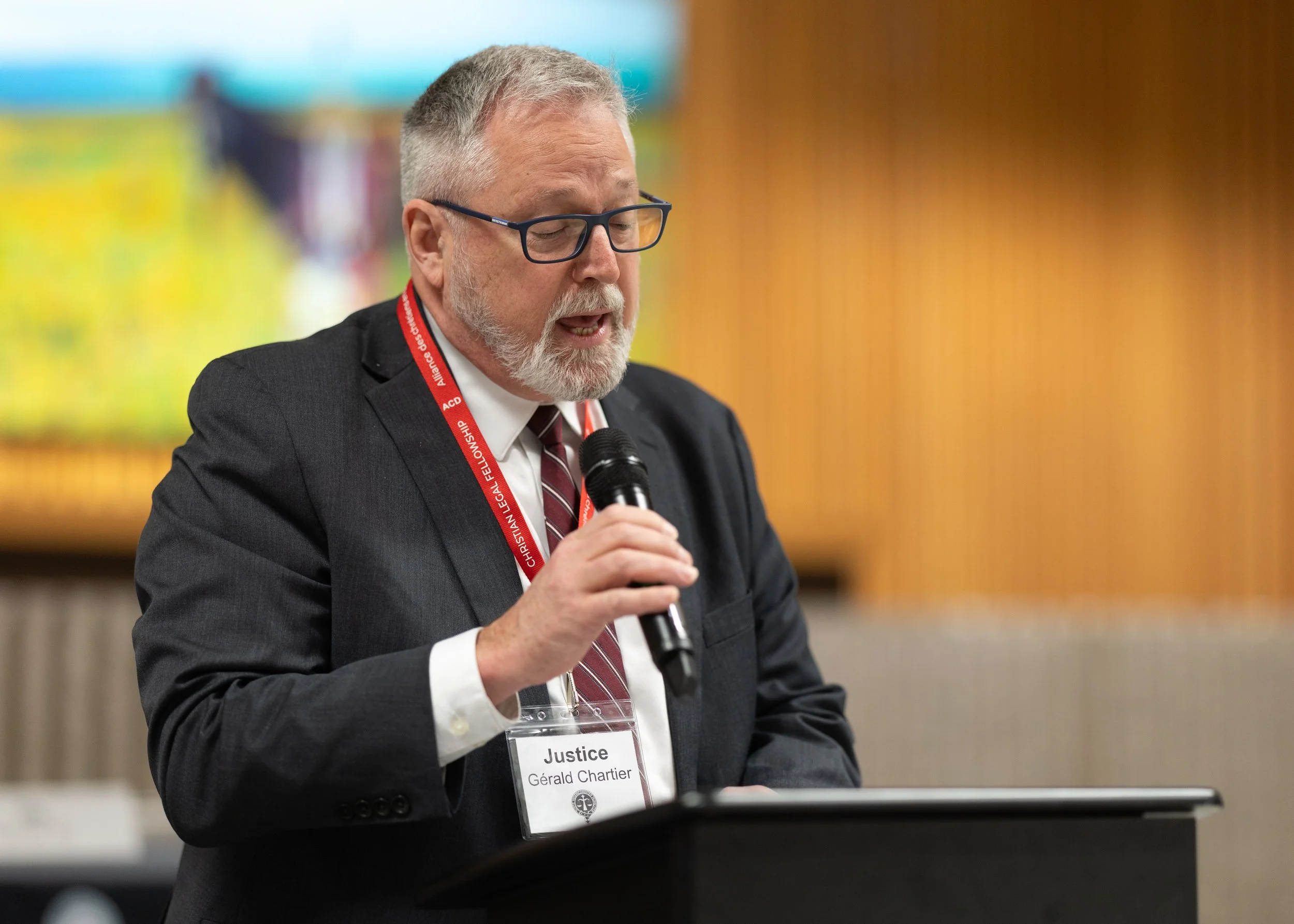
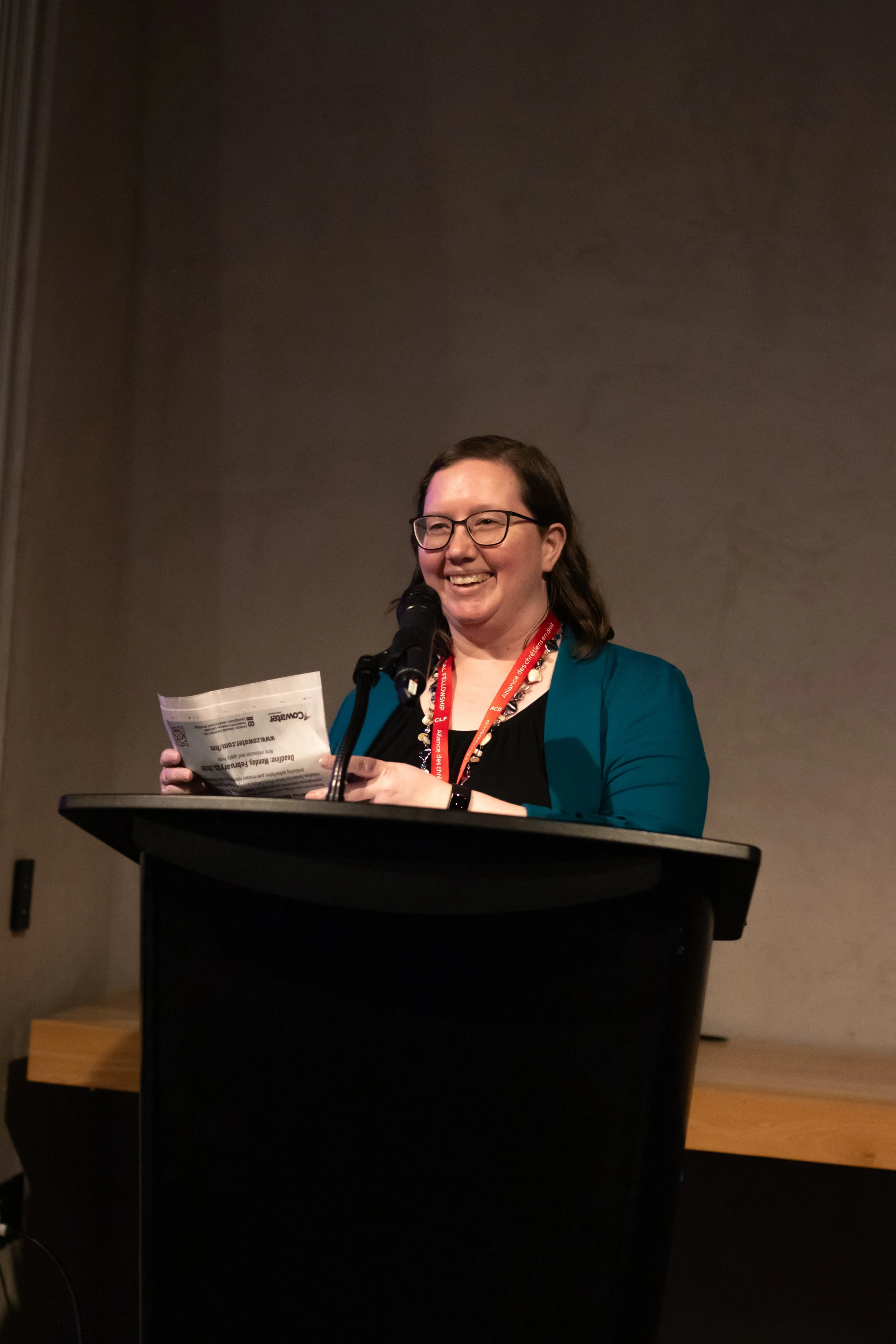
Justice Gérald Chartier of the Manitoba Court of King’s Bench
He cautioned against the assumption that Canadian laws align with international human rights covenants and noted that gaps and inconsistencies persist between domestic practices and global standards. At the same time, he offered a promising perspective on potential reform developing in the treatment of international law in the area of judicial review. Van Ert cited the Supreme Court of Canada’s decision in Vavilov that “international law will operate as an important constraint on an administrative decision maker”.[5] This development, he argued, represents a significant opportunity to strengthen the integration of Canada’s international human rights commitments within our legal system.
Van Ert noted that historically Canadian courts have largely treated international law as a tool to guide purposive interpretations rather than as a direct source of rights. He illustrated the practical impact of international engagement through the example of Sandra Lovelace,[6] whose appeal to international bodies prompted legislative reforms advancing Indigenous human rights in Canada. This case, he argued, demonstrates how external pressure can act as a catalyst for meaningful domestic change, reinforcing the continued relevance of international law in shaping Canada’s legal and social landscapes.
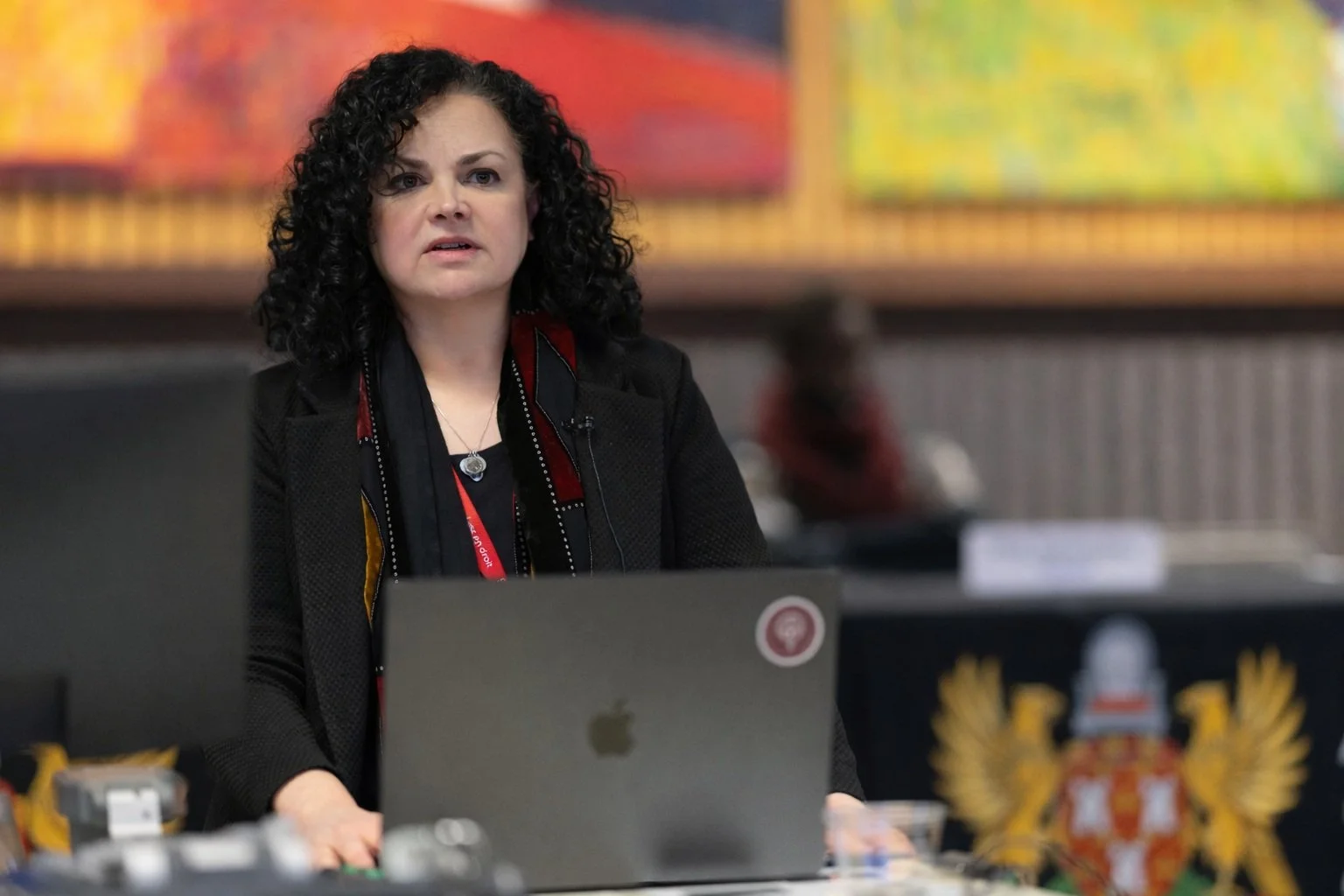
After lunch, the next panel, titled “Human Dignity, Health & Disability Rights”, opened with a presentation from Dr. Mary Shariff of Robson Hall. Dr. Shariff examined the effects of Canada’s Medical Assistance in Dying (MAiD) regime, highlighting concerns that it fails to provide equal protection under the law and does not fully safeguard the right to life. Drawing on recent cases, she illustrated how some individuals may choose to end their lives prematurely through MAiD as a result of systemic discrimination. She argued that, from an international human rights perspective, Canada’s current MAiD safeguards are insufficient, and raise serious concerns about the protection of vulnerable populations.
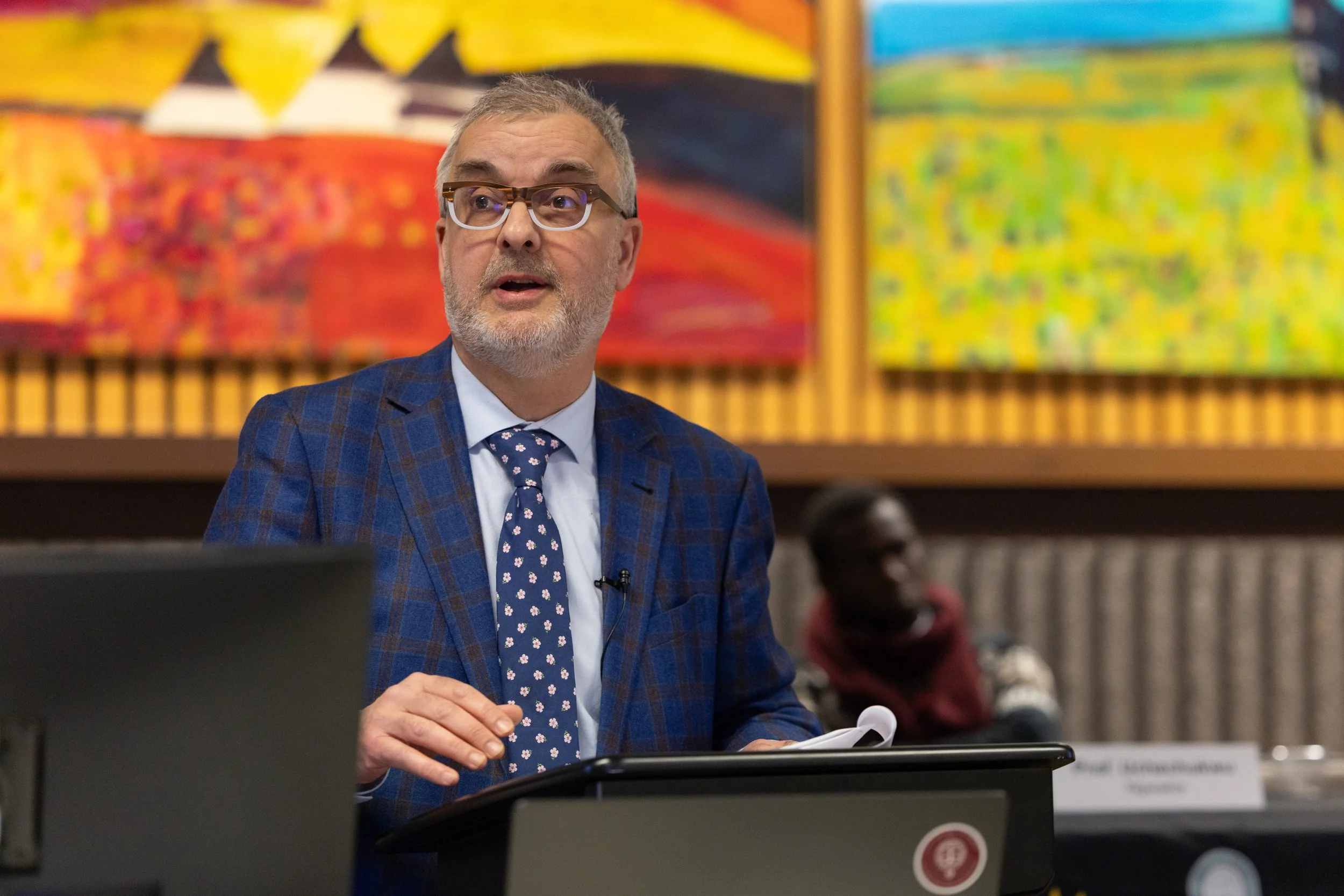
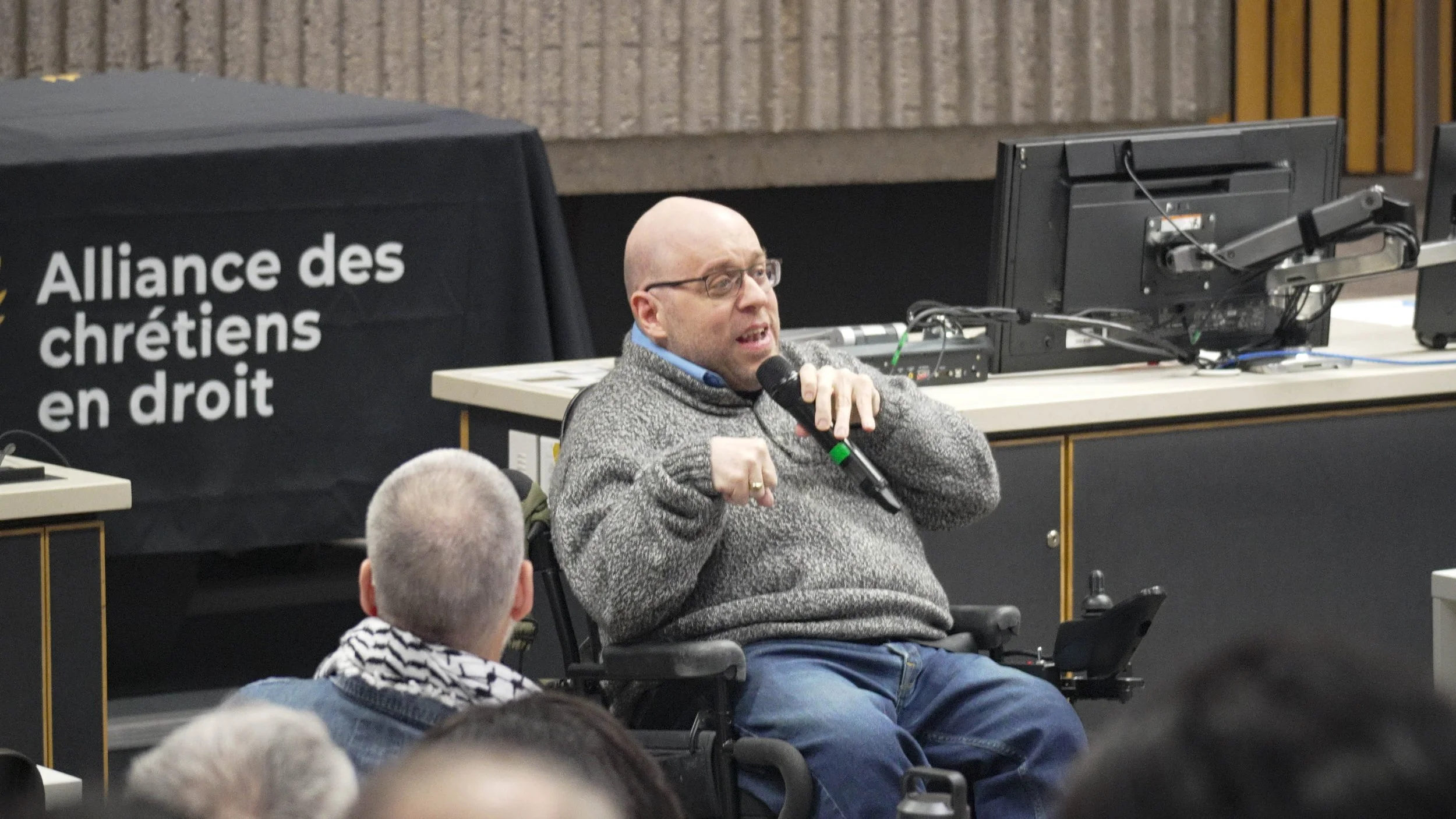
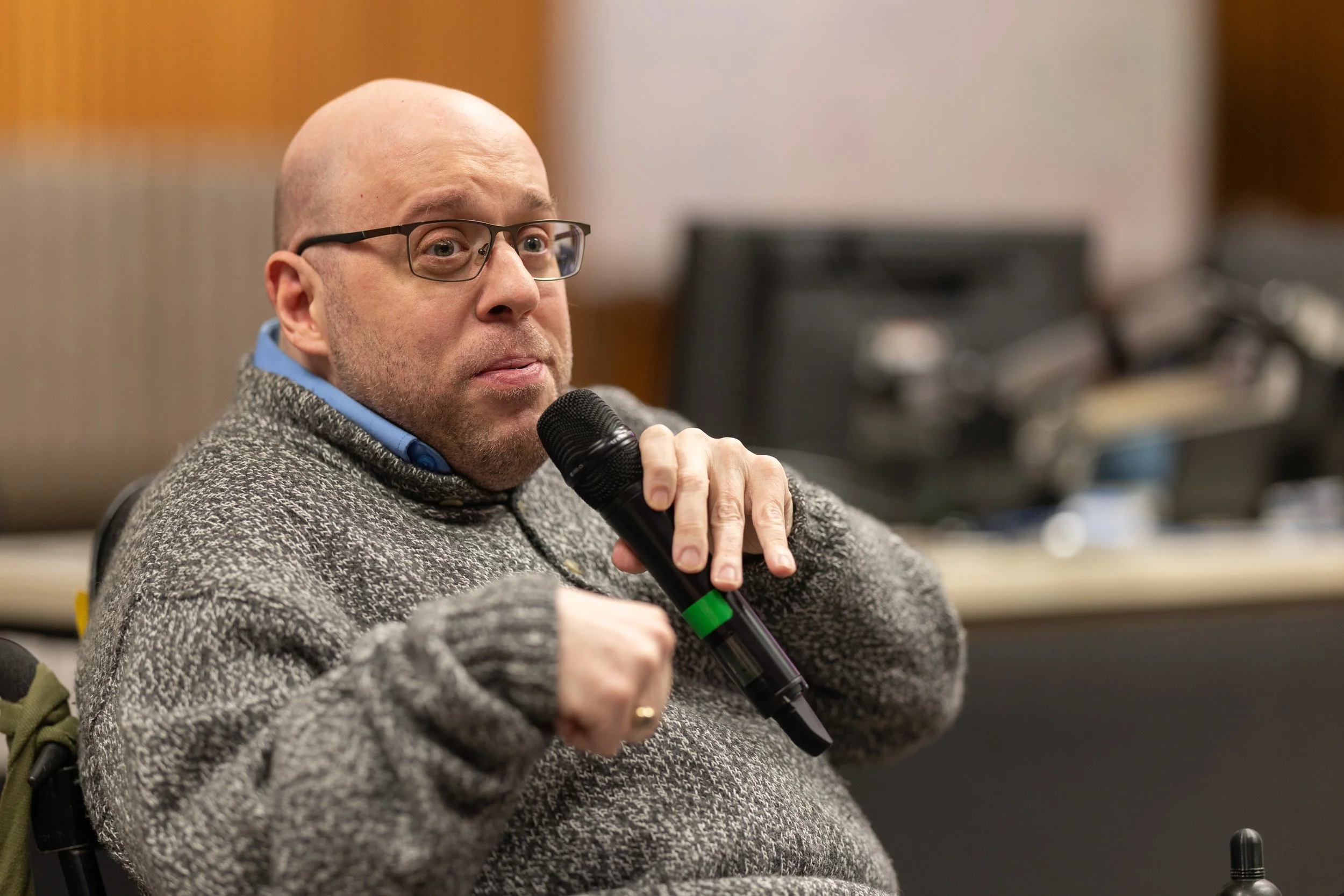
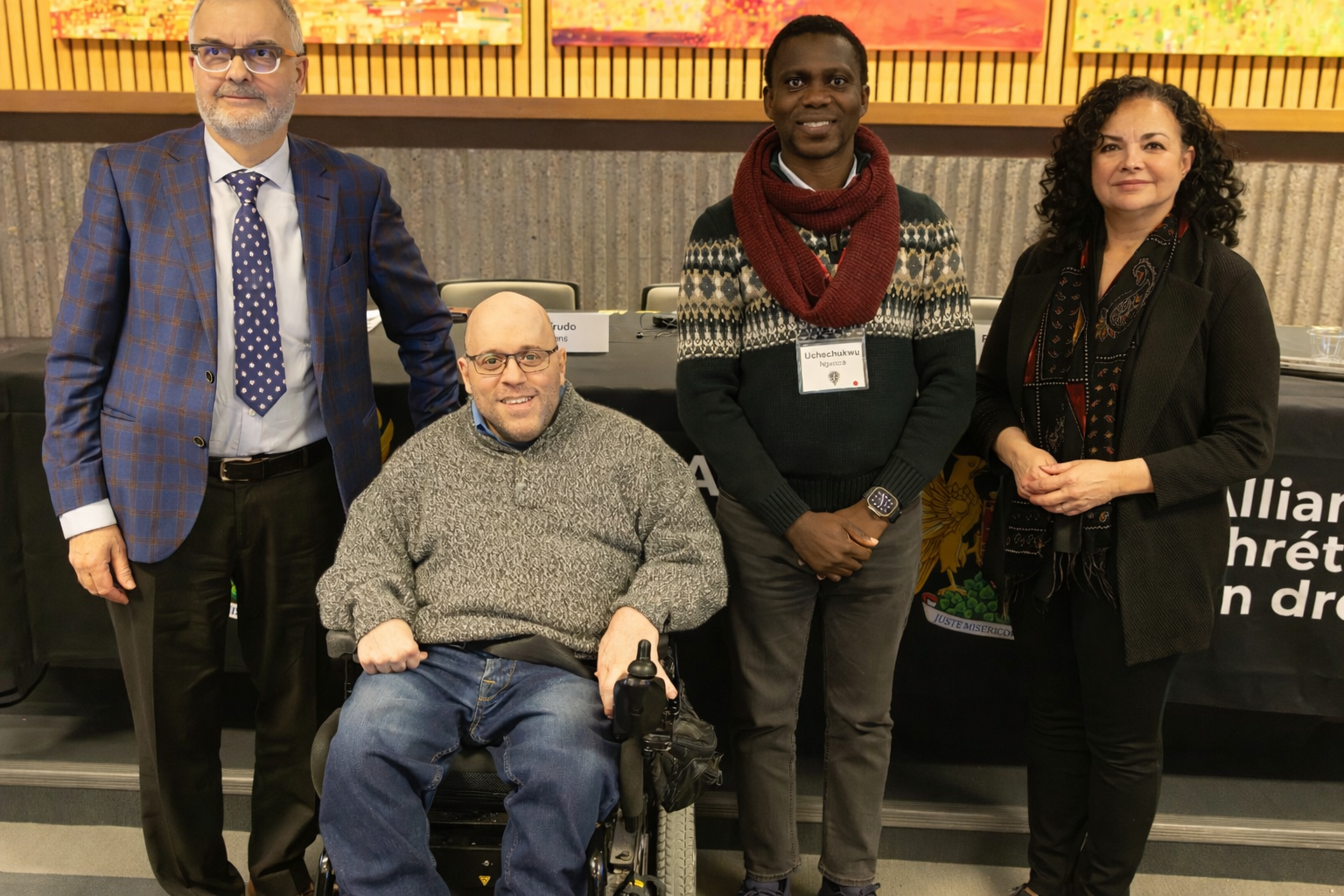
Next, Professor Trudo Lemmens of the University of Toronto offered a complementary perspective on Canada’s MAiD regime, focusing on provincial oversight and the state’s obligations to protect both the right to life and the principle of inclusive equality. He highlighted Canada’s commitments under the Convention on the Rights of Persons with Disabilities,[7] and noted that the United Nations has criticized the recent expansion of MAiD in Canada for failing to enact adequate safeguards that would protect vulnerable populations. Professor Lemmens also pointed out the UN’s (unanswered) recommendation that Canada establish a federal oversight committee to ensure consistent safeguards, greater accountability, and protection of vulnerable populations so that the domestic practices are aligned with the state’s international human rights obligations.
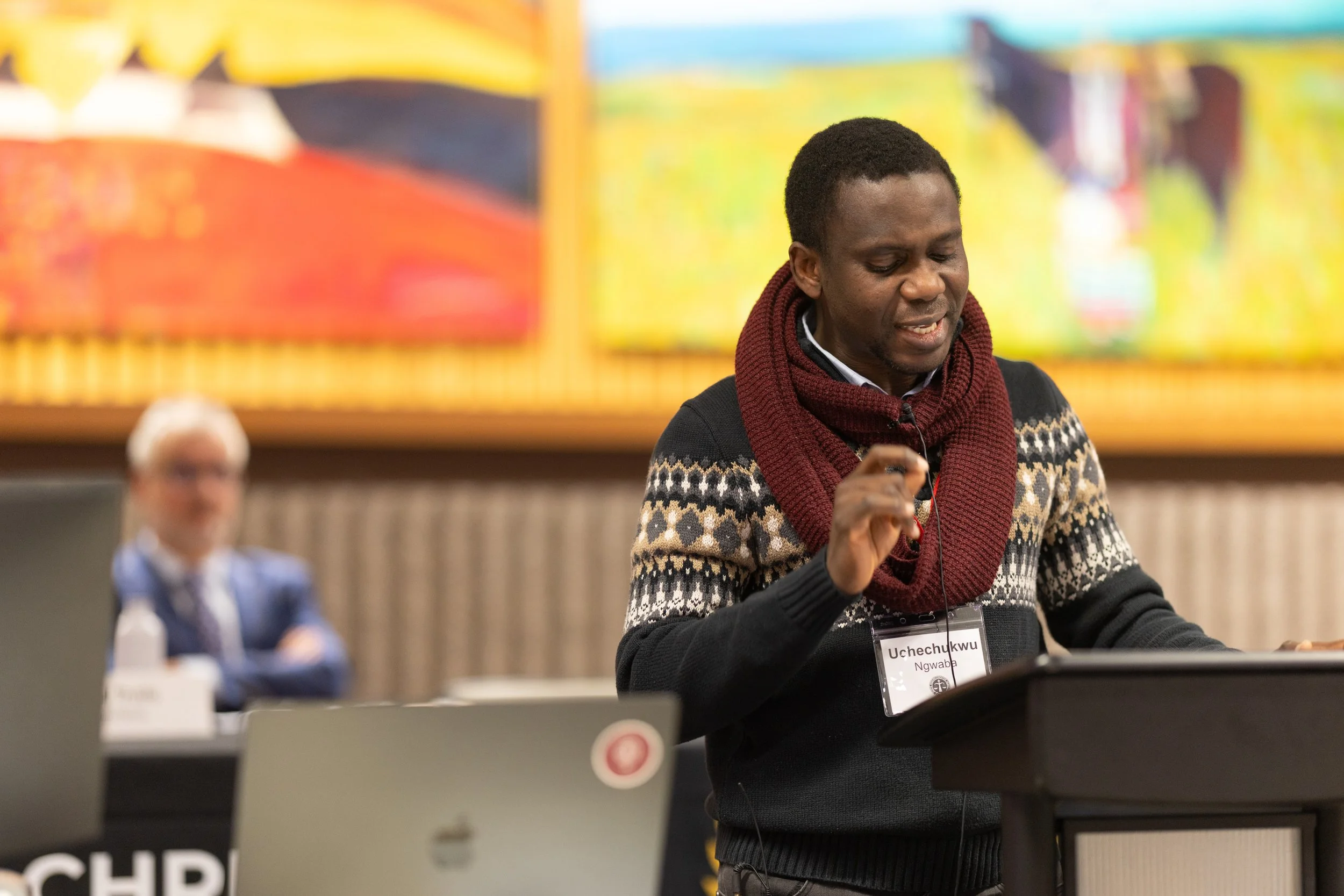
Continuing the discussion on health rights, Professor Uchechukwu Ngwaba of Toronto Metropolitan University (Lincoln Alexander School of Law) addressed systemic inequities affecting Black and racialized women in Canadian healthcare. He began by asserting that any meaningful discussion of access to justice must include access to health justice. Professor Ngwaba highlighted how being Black can pose a heightened risk for women navigating the healthcare system, due to entrenched systemic racism and implicit biases. He is currently developing a comparative research paper drawing on data from both Canada and the United States, aiming to illuminate patterns of disparity and inform strategies for more equitable health outcomes.
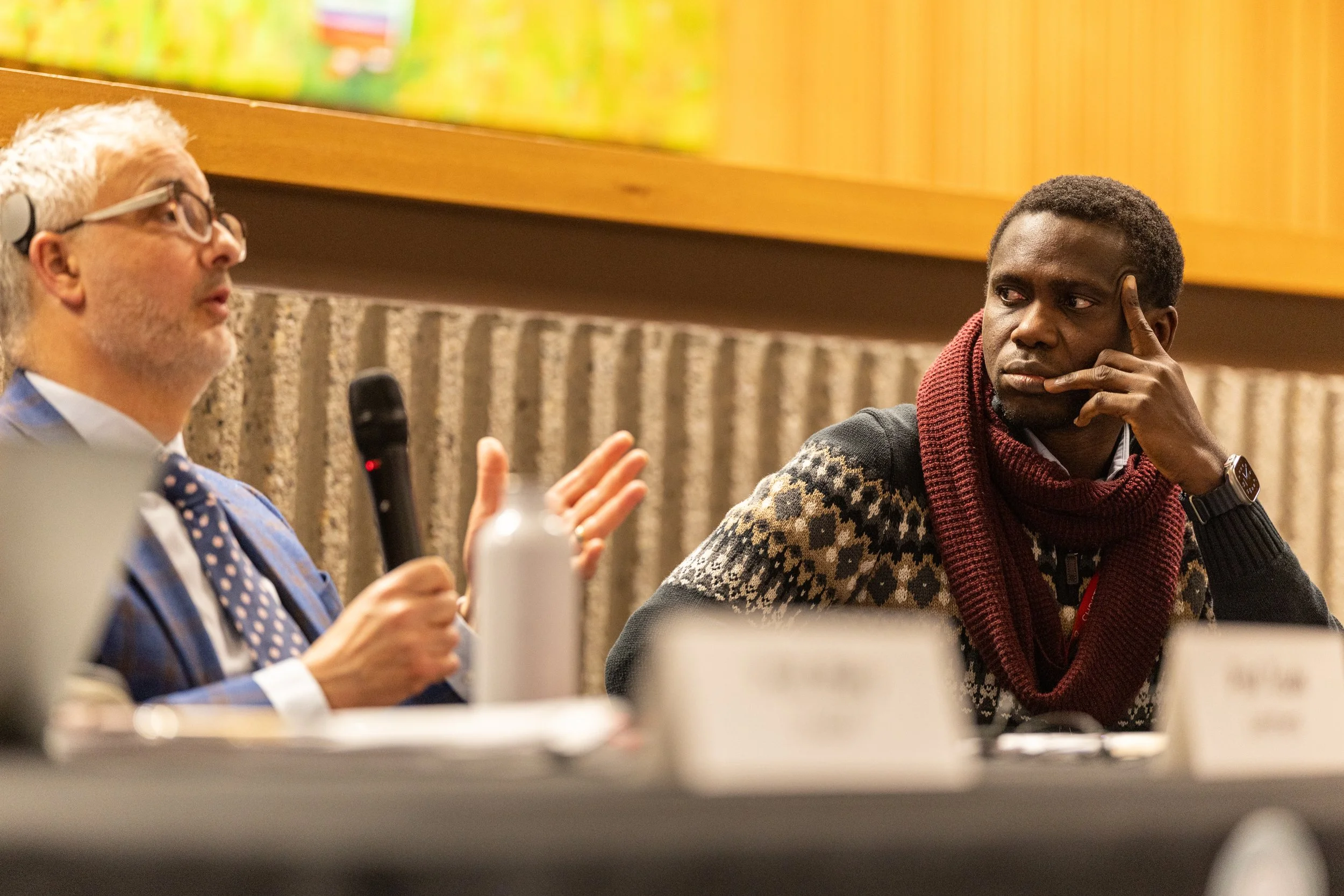
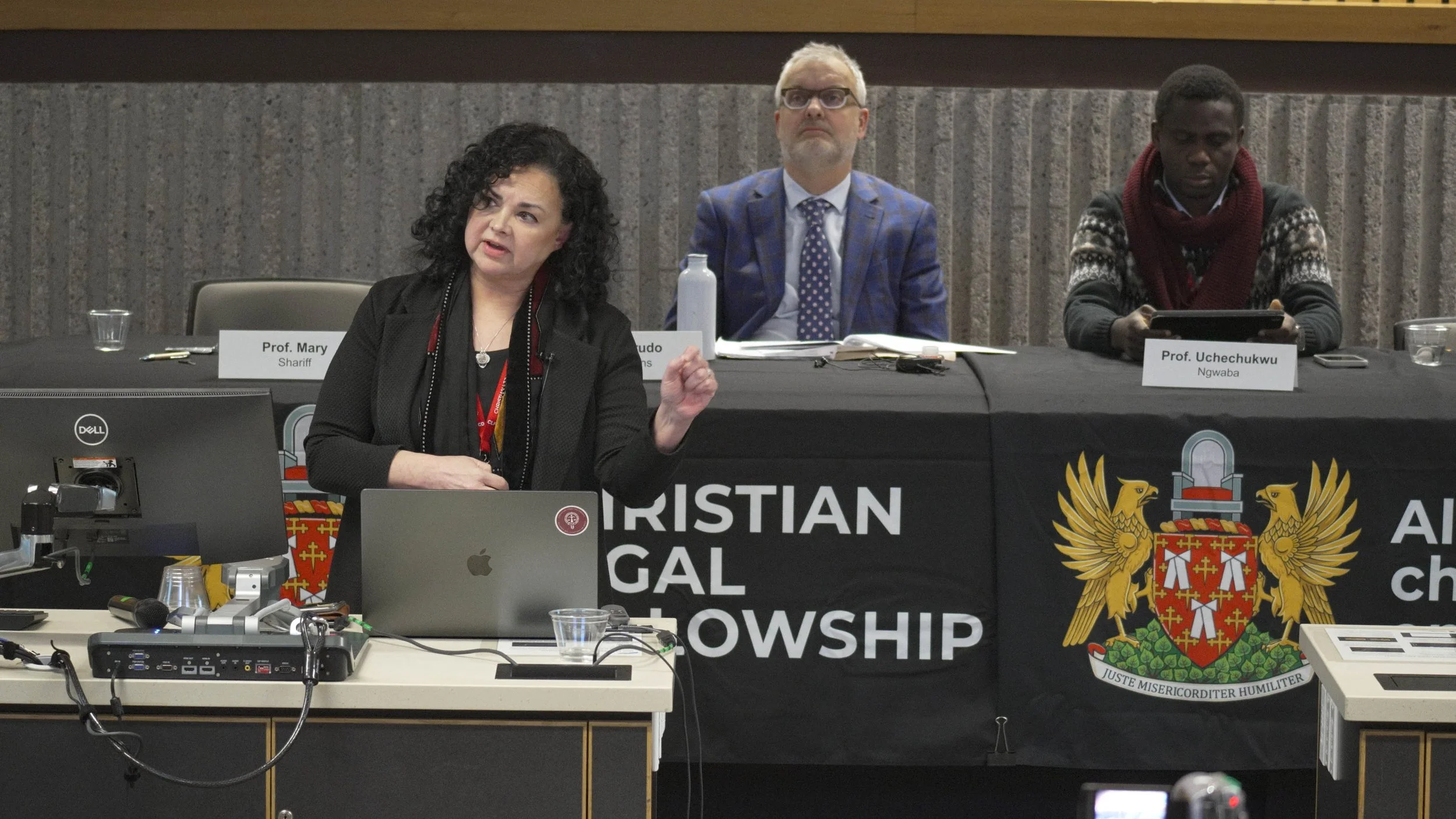
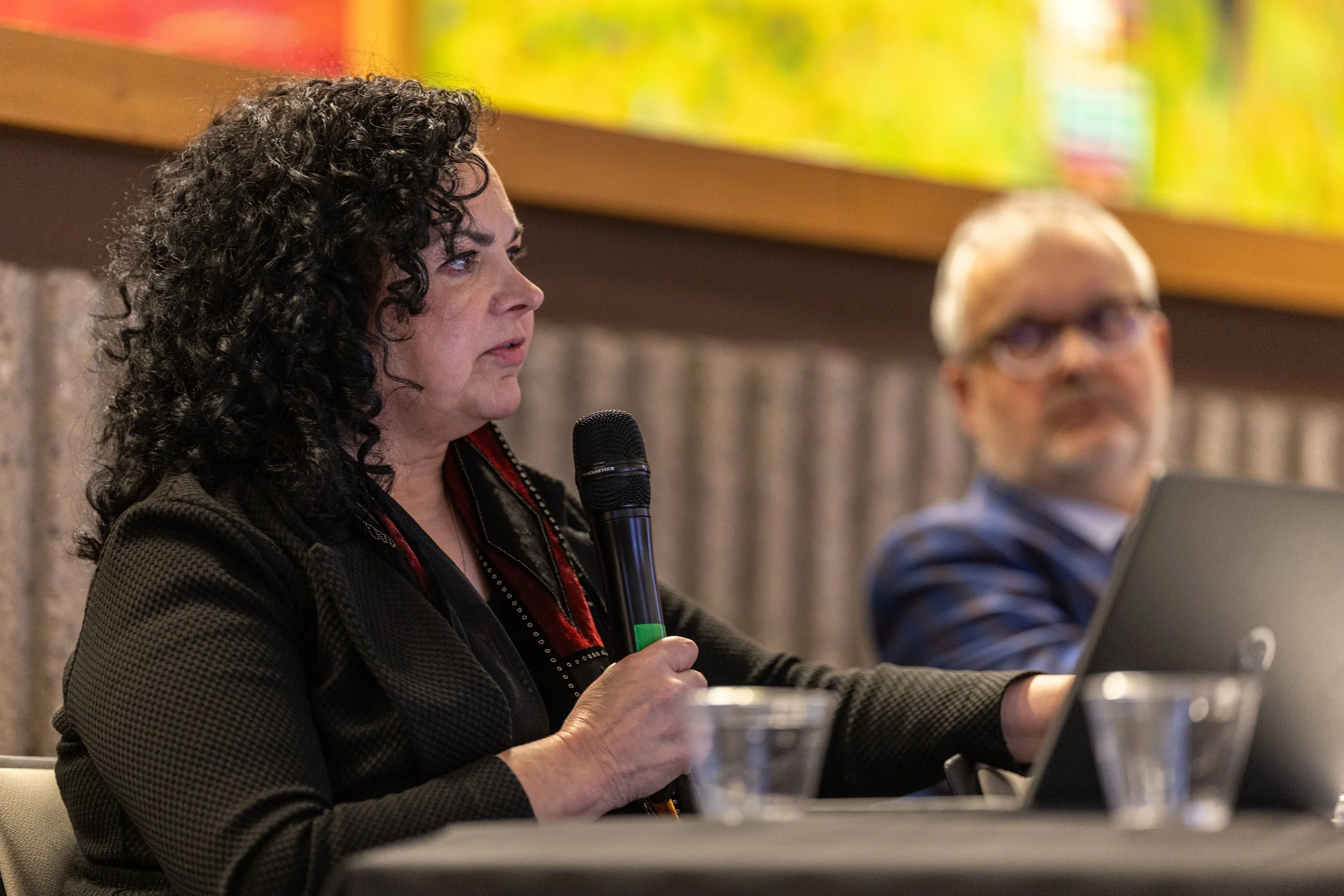
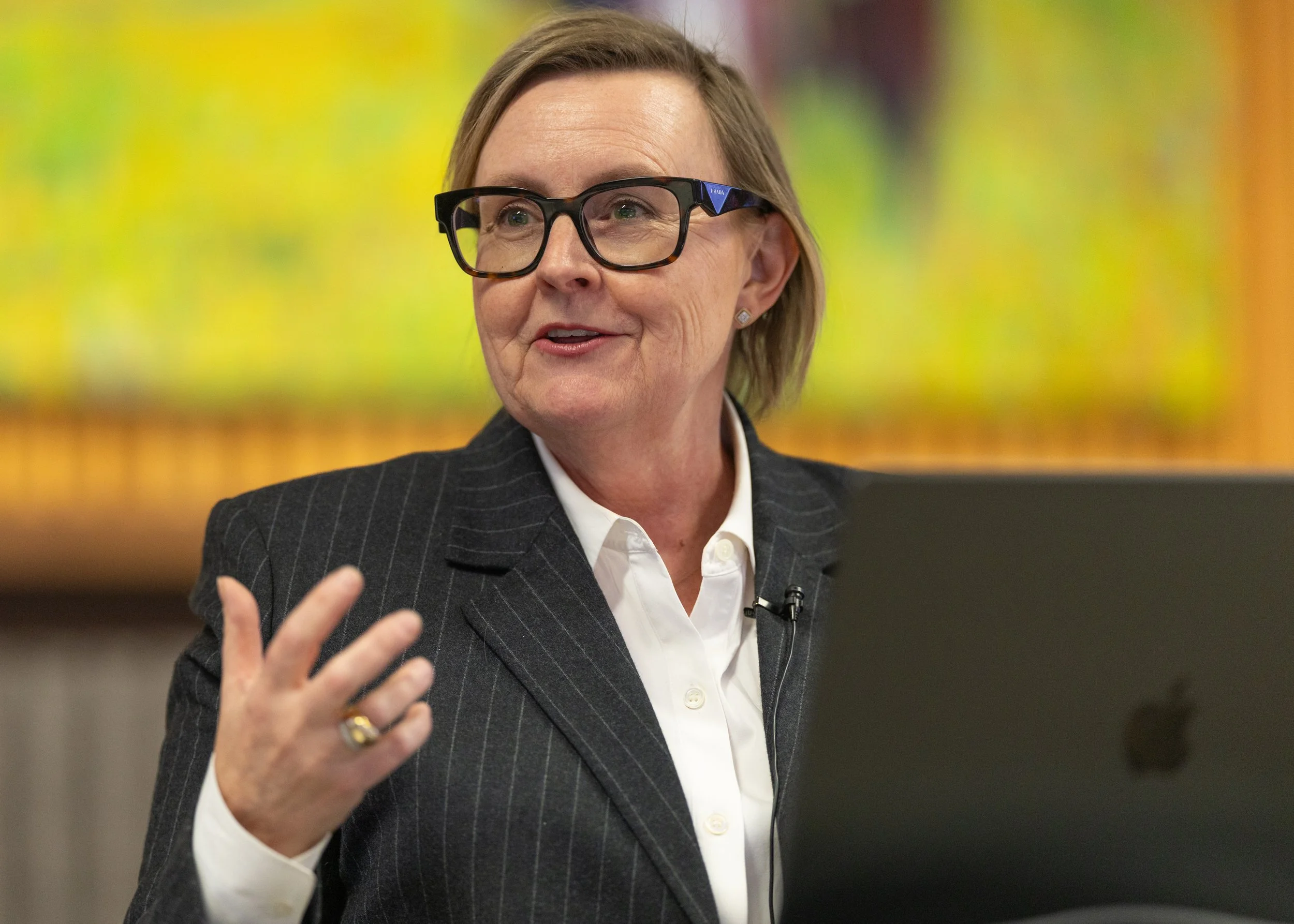
The penultimate panel, titled “Justice, Equality & The Inviolability of the Person” opened with a presentation by Professor Debra Haak of Queen’s University Faculty of Law. Drawing on section 28 of the Charter, which guarantees rights “equally to male and female persons”, Dr. Haak shared research exploring how this section was intended to place women on an equal footing with men in terms of rights and how linguistic shifts conflating the use of the terms “sex” and “gender” in human rights law may raise new conceptual complexities. Professor Haak traced the historical status of women in Canada, highlighting the evolution from a focus on women’s rights specifically to a broader framework centered on a Gender-Based Analysis, which has become a dominant source informing policy and legal approaches to equality and justice.
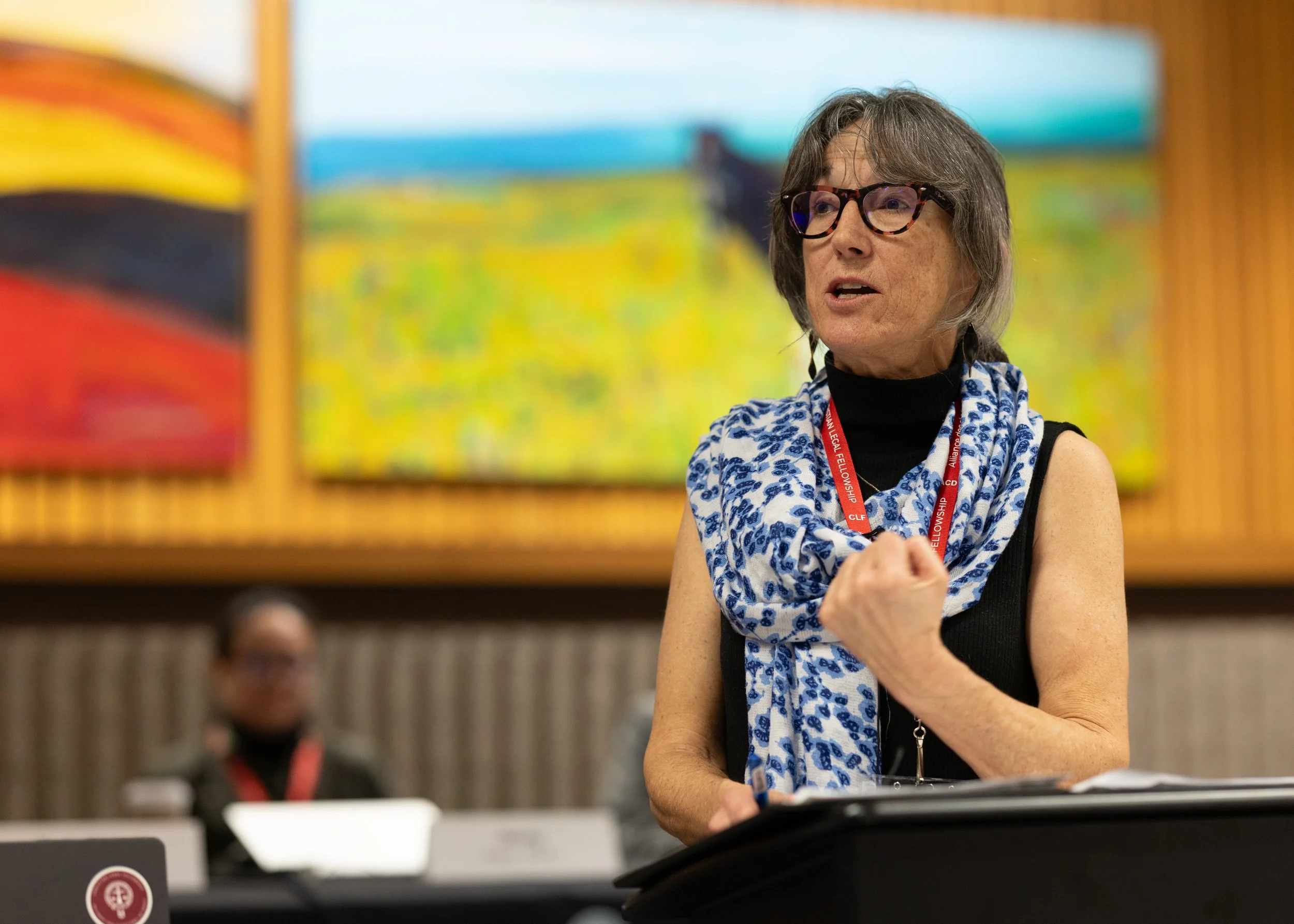
Dr. Michelle Gallant of Robson Hall delivered a compelling analysis of the systemic discrimination faced by religious (specifically Islamic) charities operating within Canada’s not-for-profit sector, particularly under laws intended to combat global terrorist financing. She highlighted how such organizations are often subjected to heightened scrutiny and regulatory burdens, which are routinely justified as necessary measures to prevent abuse. Dr. Gallant explored concerns that this justification masks deeper biases that certain charities are perceived as inherently higher-risk solely because of their religious identity, rather than any evidence of wrongdoing. She argued that this dynamic creates a structural inequity, whereby certain religious organizations are unfairly burdened, stigmatized, and constrained in fulfilling their charitable missions.
This perception has statistically produced a chilling effect on charitable giving within some religious communities. She emphasized that while these laws are intended to protect charities from terrorist activity, in practice they can result in the stigmatization and marginalization of the very organizations they are meant to safeguard.
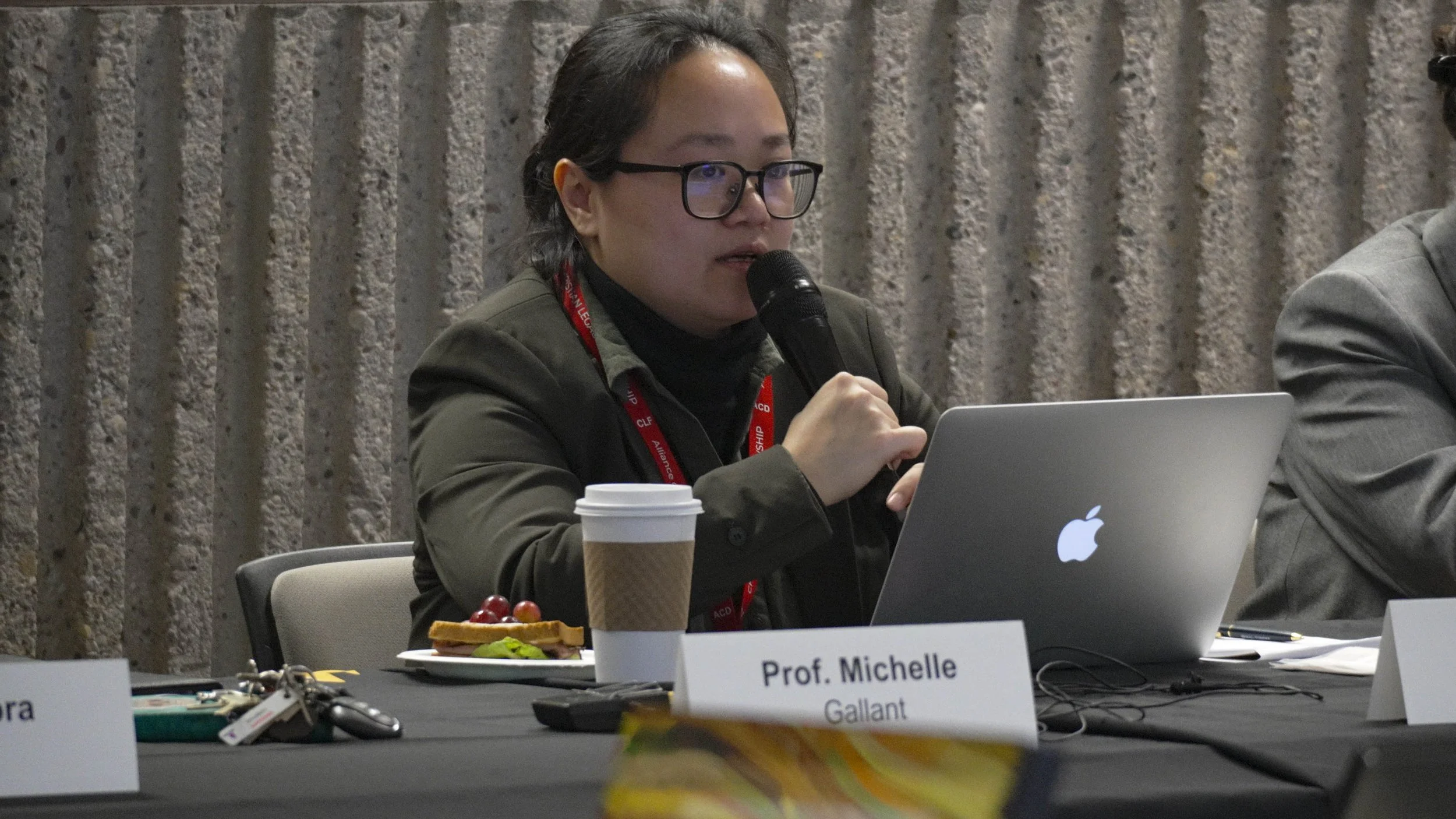
Dr. Jenny Poon, a graduate of Western Law’s PhD program, presented her ongoing research in immigration law, focusing on Articles 7 and 13 of the ICCPR (the protection from cruel, inhuman, or degrading treatment, and the protection from arbitrary expulsion, respectively). She argued that these provisions form the cornerstone of refugee protection, and they work together to safeguard individuals at risk of unfair removal from a country. Poon identified three key ways in which these international principles are violated: when asylum seekers are (1) returned on the basis of membership in a protected group, (2) sent back to face torture, or (3) transferred to another country that lacks access to international protections.
Poon also examined third country agreements and identified three areas of potential misuse: (1) returning asylum seekers to countries without adequate asylum protections, (2) relying on presumptions of safety that ignore local human rights conditions, and (3) issuing diplomatic assurances without mechanisms for monitoring compliance. To address these gaps, Poon recommended that systematic reporting be required whenever an asylum seeker is transferred to another country, which ensures greater accountability and alignment with international human rights standards.
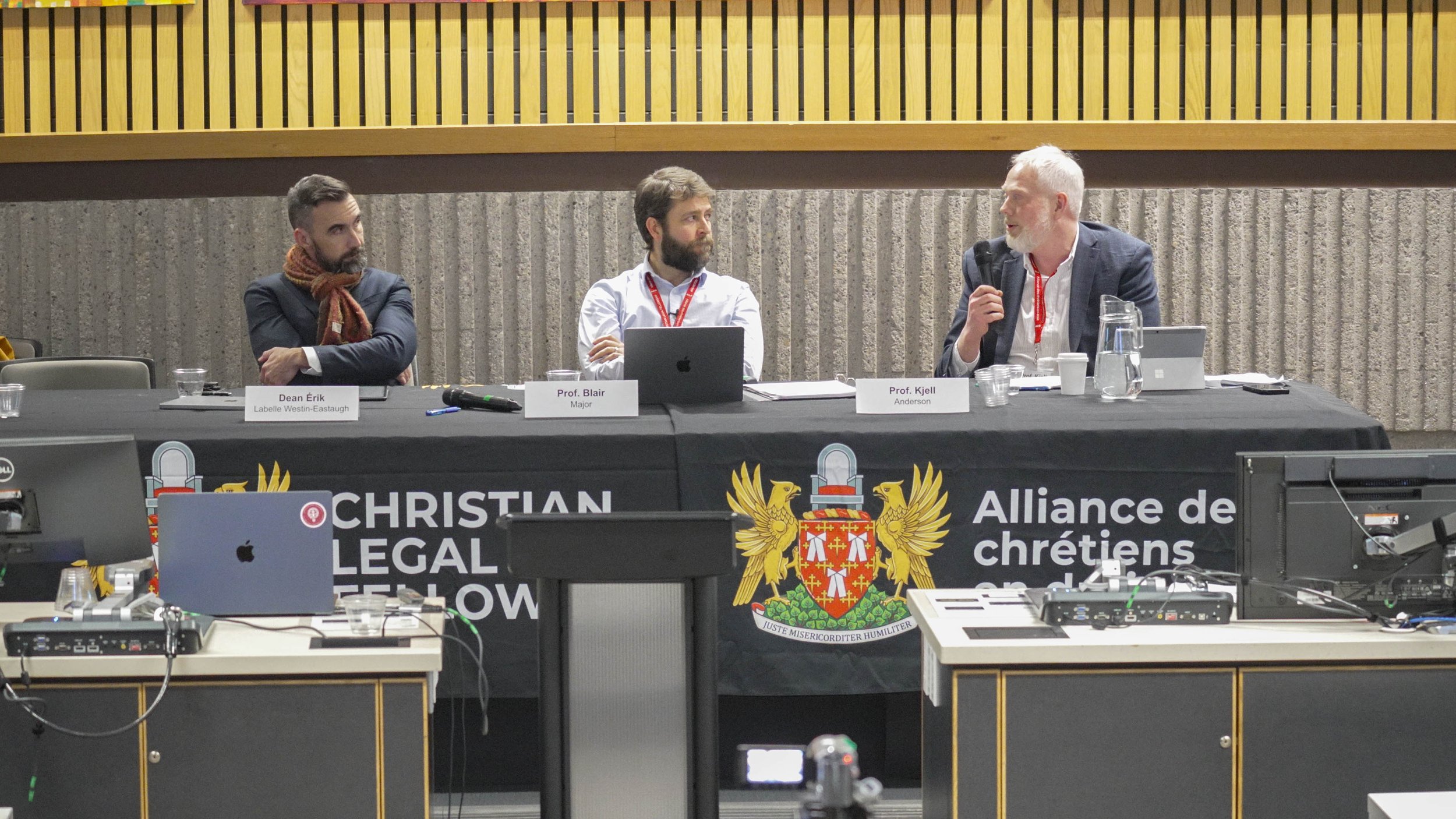
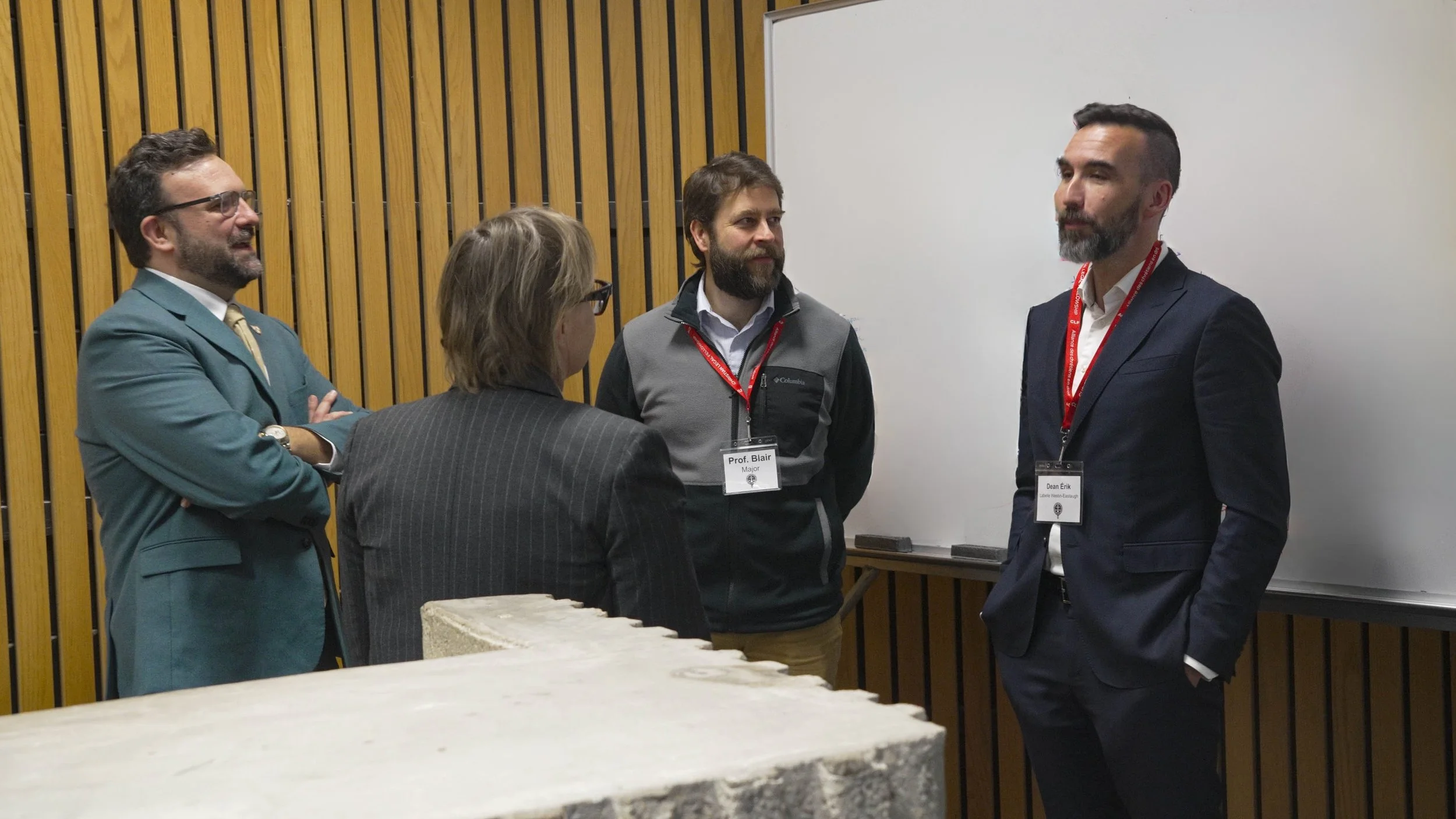
The final panel, titled “Education, Knowledge & The Benefits of Scientific Progress”, began with a presentation by Dean Érik Labelle Westin-Eastaugh of the Faculty of Law at the Université de Moncton. He explored the concept of academic freedom under both the ICCPR and the ICESCR.
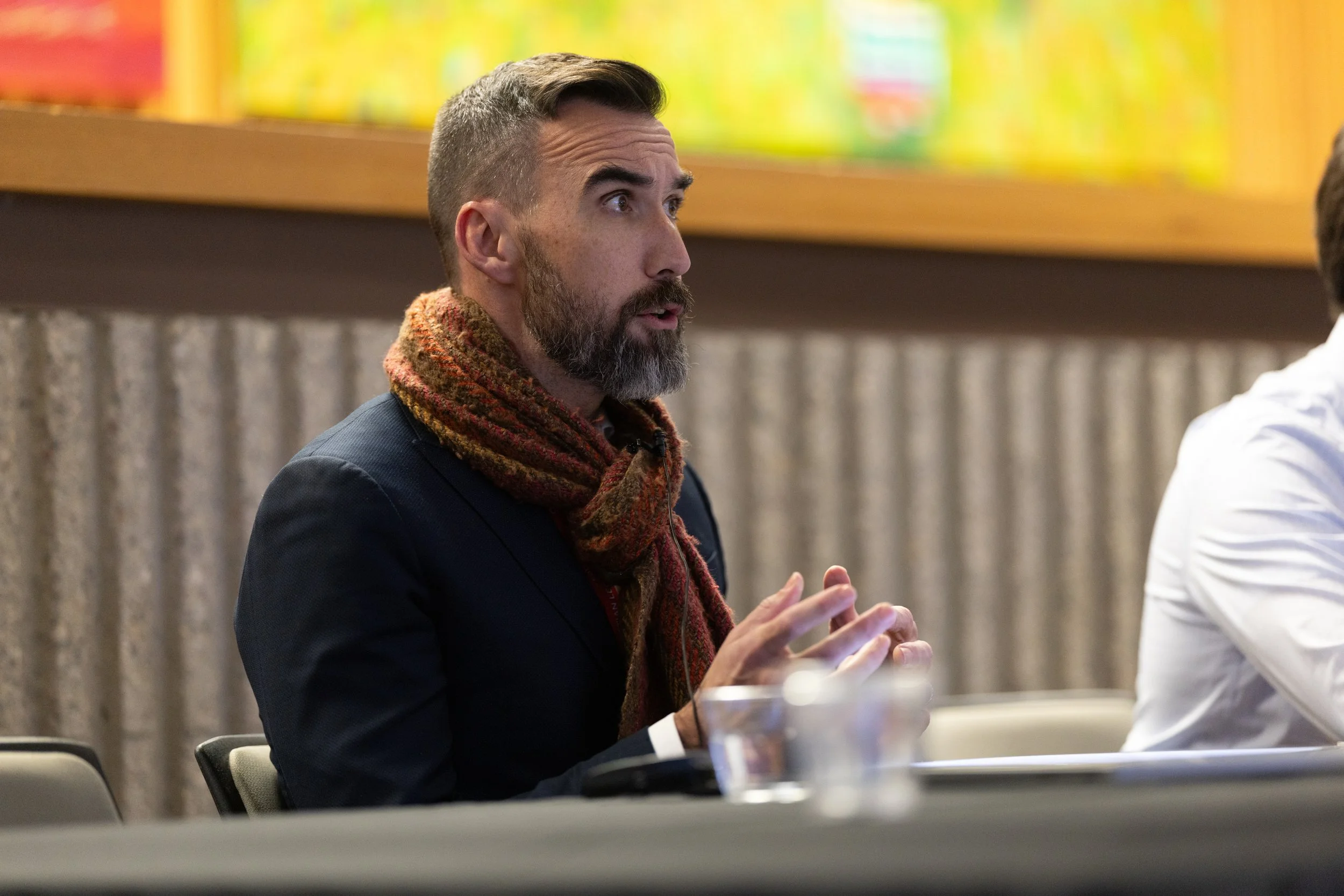
Dean Westin-Eastaugh distinguished academic freedom from the broader principle of freedom of expression. He explained that, while the two share certain protections, academic freedom encompasses unique dimensions. He argued that academic freedom is narrower in scope than freedom of expression, applying primarily to university professors using rigorous methods, yet broader in practice, as it often permits discussion of ideas and topics that are restricted or taboo in the public sphere. He also explained that academic freedom is rooted in a conception of the university as a space dedicated to the pursuit of truth and knowledge. It is intrinsically linked to academic integrity, professional obligations, and the responsibilities of scholarly practice. Moreover, academic freedom carries institutional dimensions, requiring protection not only from governmental interference but also from pressures that may arise within academic institutions themselves.
Dean Westin-Eastaugh emphasized that the clearest articulation of academic freedom can be found in Articles 13 and 15 of the ICESCR, which point to the right to education, the advancement of knowledge, and the benefits of scientific progress. His presentation showed the centrality of academic freedom to the realization of human rights, both as a mechanism for individual intellectual development and as a foundational pillar for robust, open, and accountable societies.
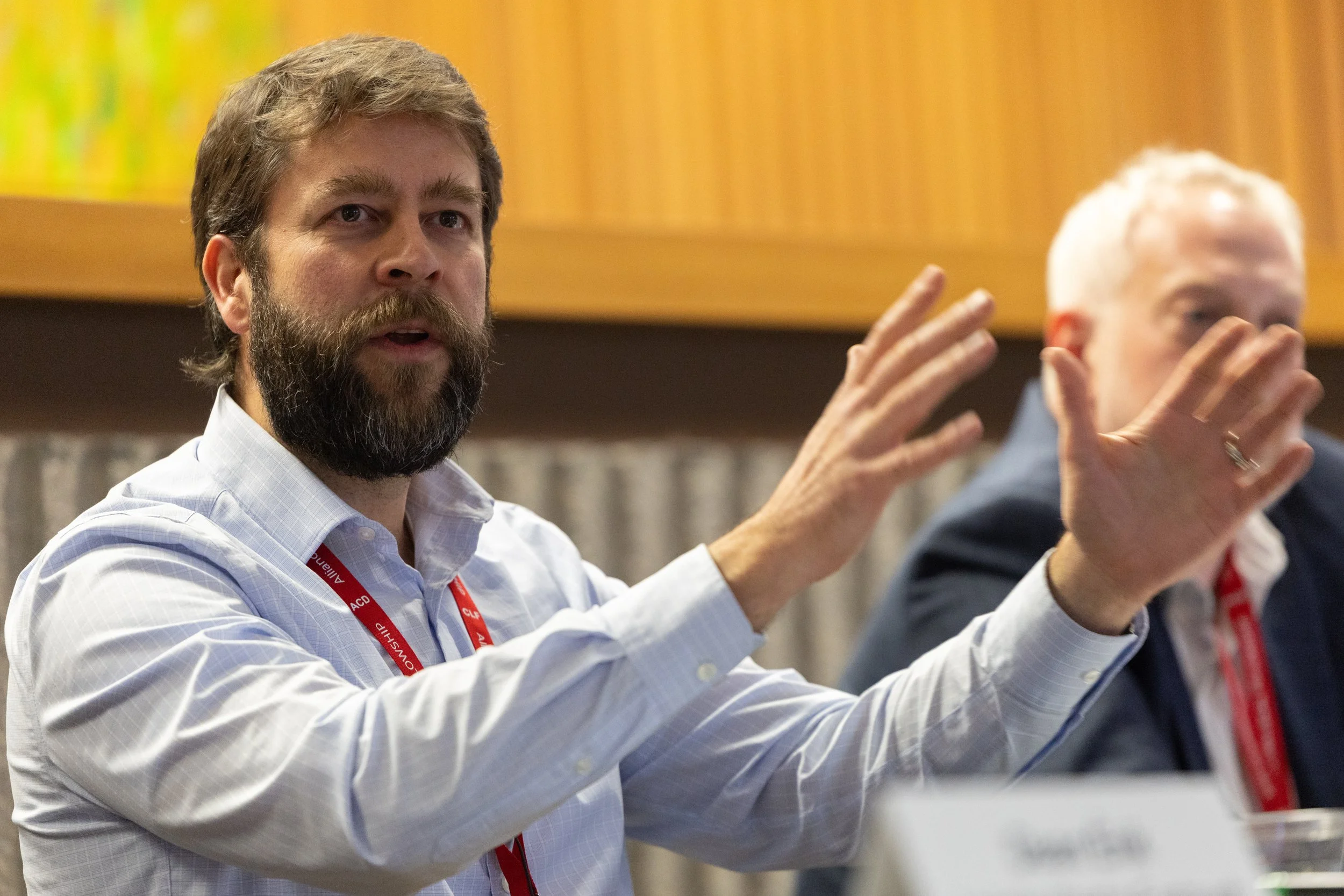
The final speaker of the day, Professor Blair Major of Thompson Rivers University Faculty of Law, concluded with a presentation on the intersection of religion and the right to education. He argued that the right to education is foundational to the exercise of other rights. Professor Major also emphasized that it differs from other rights because one cannot fully realize the right to education without access to education itself, making it a core instrument for human development. He pointed to Article 13 of the ICCPR which states that “education shall be directed to the full development of the human personality and the sense of its dignity”. He drew particular attention to the significance of the word “dignity” in this context. He also noted that the right to education is reinforced in the Convention on the Rights of the Child,[8] and explained its critical role in fostering both individual development and broader societal wellbeing. Through this lens, Professor Major positioned public education not merely as a service, but as a fundamental mechanism for promoting dignity, equality, and the meaningful exercise of other human rights.



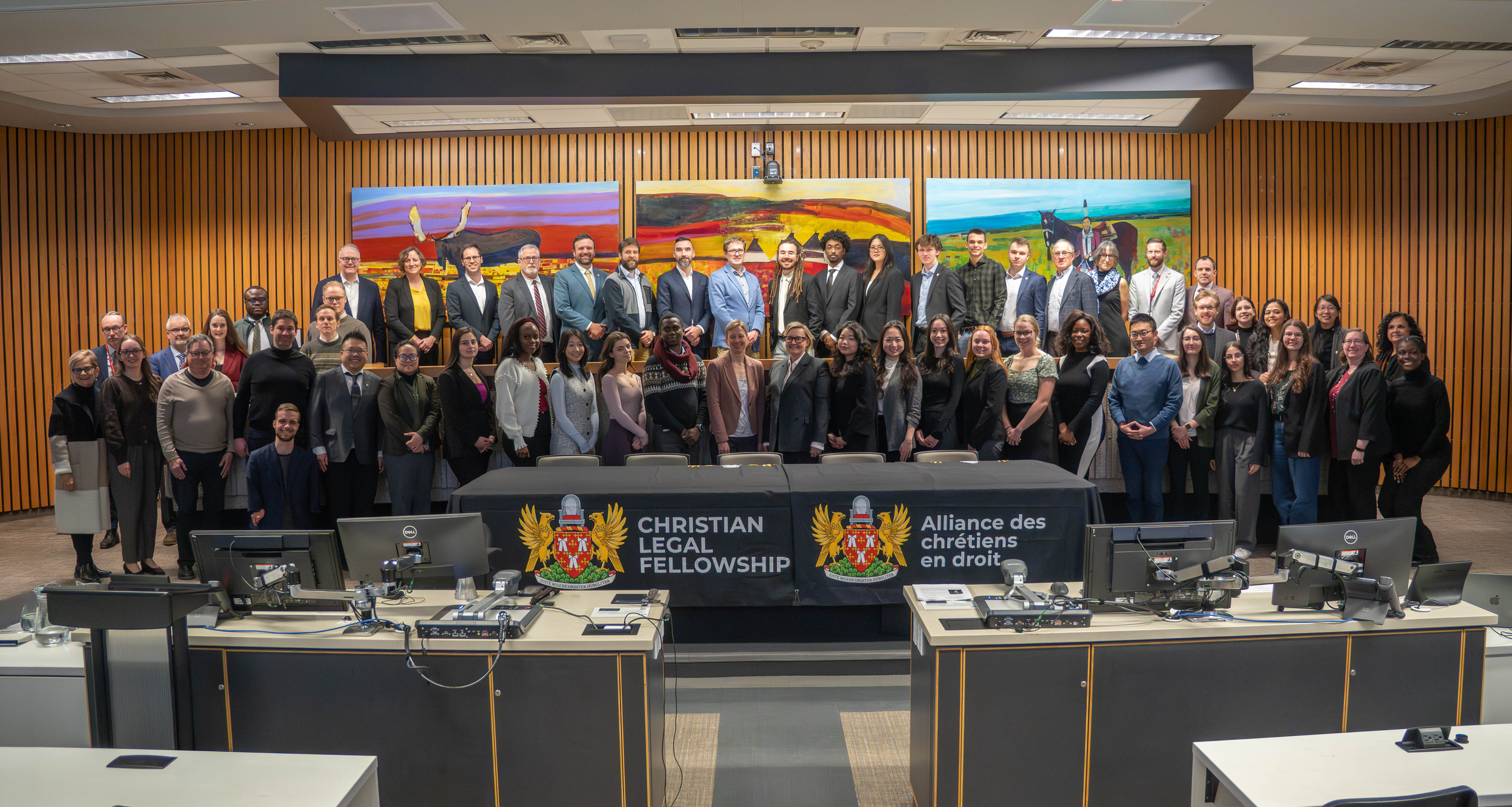
Reflections on the Symposium
The Symposium was both enlightening and deeply engaging. It left me with a new understanding of complex human rights concepts and the ongoing importance of the international covenants in Canada. It is heartening to see that these rights are not only actively discussed but also vigorously defended by brilliant scholars across the country. Their work gives hope that international human rights law is alive and continually shaping our legal landscape.
I strongly encourage anyone with even a passing interest in these topics to get involved with CLF’s work or to reach out to learn how they can support these initiatives. These scholars are not contributing purely for academic exercise; they are shaping law, policy, and practice one article, one recommendation, and one symposium at a time.
“These scholars are not contributing purely for academic exercise; they are shaping law, policy, and practice one article, one recommendation, and one symposium at a time.”
Selected articles from this year’s Symposium will be published by LexisNexis Canada in a future edition of the Supreme Court Law Review and a corresponding softcover book, and I look forward to reading the completed papers. I encourage all who are interested in the academic pillar of the CLF’s work to consider attending future symposia.
Special thanks are due to all contributors for their scholarship and dedication, and to the Symposium Co-Chairs, Prof. Mary Shariff, Prof. Michelle Gallant, Melanie Bueckert, and Derek Ross, for their outstanding efforts in organizing this remarkable event. The panels were especially enriched by the contributions and engagement of discussants Bryton Moen (Manitoba lawyer), Prof. Gerard Kennedy (University of Alberta), Prof. Darcy MacPherson (Robson Hall), Prof. Gillian MacNeil (Robson Hall), and Prof. Kjell Anderson (Robson Hall).
The 2026 Realizing Rights Symposium was generously supported by the University of Manitoba Faculty of Law, the Law Commission of Canada, the Christian Legal Fellowship, The Walter C. Newman Fund, and LexisNexis Canada.

Yvonne Oni is a second-year law student with a strong interest in constitutional and human rights law. She currently serves as President of Lakehead's Christian Legal Fellowship chapter. Yvonne and her husband, Tade, are active members and leaders in their church community.
References
[1] International Covenant on Civil and Political Rights, 19 December 1966, 999 UNTS 171 (entered into force 23 March, 1976, accession by Canada 19 May 1976) [ICCPR]; International Covenant on Economic, Social and Cultural Rights, 16 December 1966, 993 UNTS 3 (entered into force 3 January 1976, accession by Canada 19 May 1976) [ICESCR].
[2] Canadian Charter of Rights and Freedoms, Part I of the Constitution Act, 1982, being Schedule B to the Canada Act 1982 (UK), 1982, c 11 [Charter].
[3] Re BC Motor Vehicle Act, [1985] 2 SCR 486 at para 69.
[4] In Law v Canada (Minister of Employment and Immigration), [1999] 1 SCR 497 at para 53, Iacobucci J tried to define human dignity. In summary, he expressed that human dignity “concerns the manner in which a person legitimately feels when confronted with a particular law”.
[5] Canada (Minister of Citizenship and Immigration) v Vavilov, 2019 SCC 65 at para 114.
[6] Lovelace v Canada, UNOHC, 13th Sess, Communication No 24/1977, UN Doc CCPR/C/OP/1 at 83 (1984) (Decision on merits).
[7] Convention on the Rights of Persons with Disabilities, 13 December 2006, 2515 UNTS 3 (entered into force 3 May 2008, accession by Canada 11 May 2010) [CRPD].
[8] Convention on the Rights of the Child, 20 November 1989, 1577 UNTS 3 (entered into force 2 September 1990, accession by Canada 13 December 1991) [CRC].
Special thanks to Jon Laakso, the University of Manitoba Audiovisual Department, and Elsie Abang for photographing this event.