Winnipeg, Manitoba
by Marianna Pozdirca, J.D. Student, Class of 2026
“As we return to classrooms, articling positions, and firms across Canada, we carry forward renewed clarity. The legal profession is demanding. It tests intellect, endurance, and character. Yet, we are called to practice not with fear, but with faith, confident that integrity and courage will bear fruit beyond immediate outcomes.”
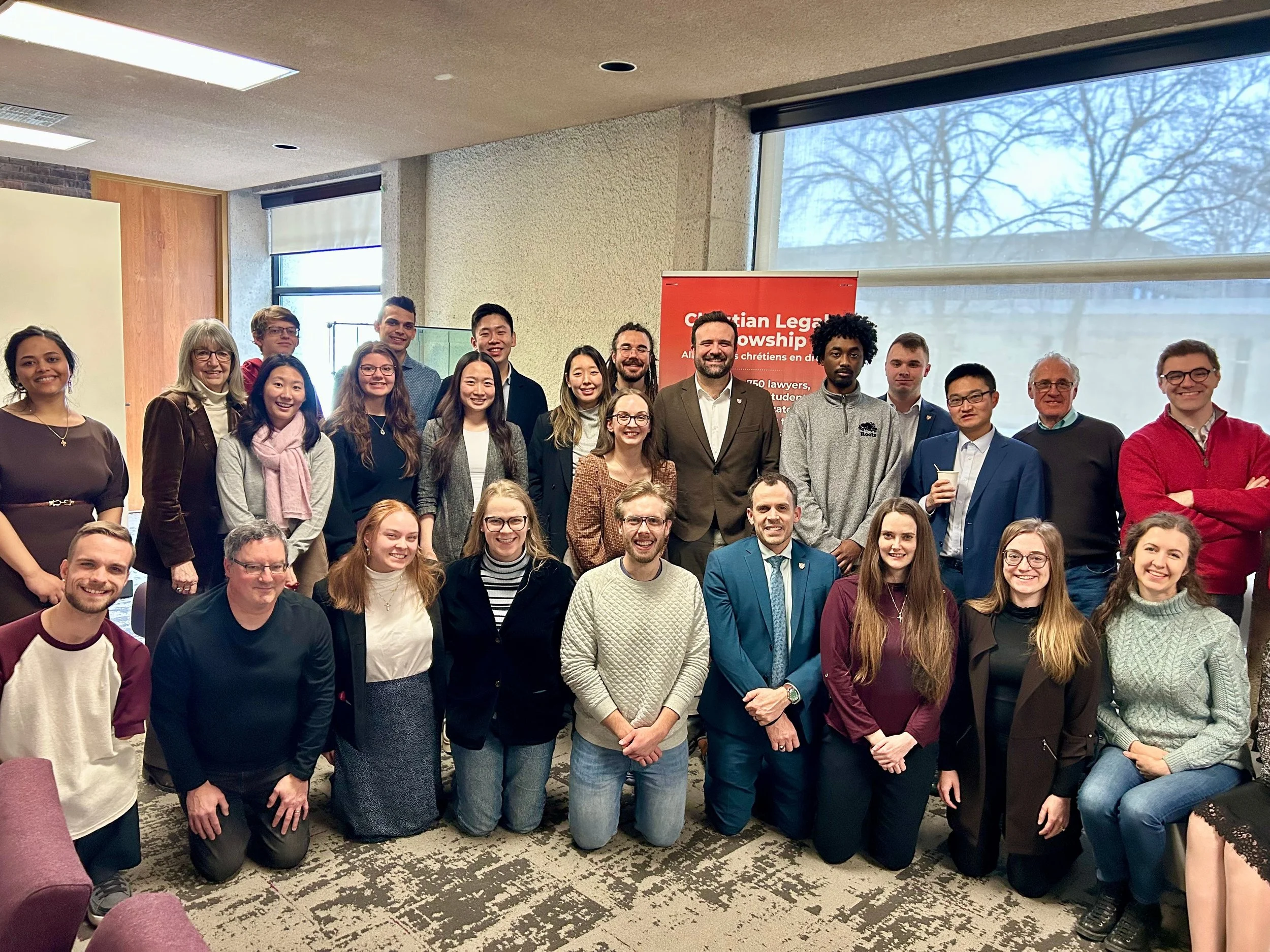
The 2026 Christian Legal Fellowship (CLF) National Law Student Conference brought together law students, legal practitioners, scholars, and ministry leaders from across Canada for a weekend of intellectual rigour, encouragement, and practical application. Hosted in Winnipeg, at the University of Manitoba Faculty of Law, the conference provided a unique space where the demands of legal education and practice were addressed not merely as professional challenges, but as a deeper calling.
Over the course of four days, participants engaged in a variety of activities meant to nourish the mind, soul, and heart, including devotional worship, panel discussions on vocation and ethics, substantive engagement with current legal issues affecting faith communities, and candid conversations about the realities of early legal practice. The conference’s unifying theme, Justice Without Borders, Faith Without Fear, called us to reject self-doubt and comparison, instead rooting our legal vocations in courage and compassion.
Academic Engagement
This year’s student conference was woven together with CLF’s 2026 Academic Symposium on Religion, Law and Human Rights, Realizing Rights in Canada’s Commitments, which also took place at the University of Manitoba Faculty of Law. Student Conference attendees were invited to attend Symposium sessions on Friday, as well as an Opening Reception on Thursday evening at the Canadian Museum for Human Rights. Guests began the evening with a guided tour, which underscored the gravity of the issues discussed throughout the weekend, highlighting that rights are not abstract concepts but lived realities.

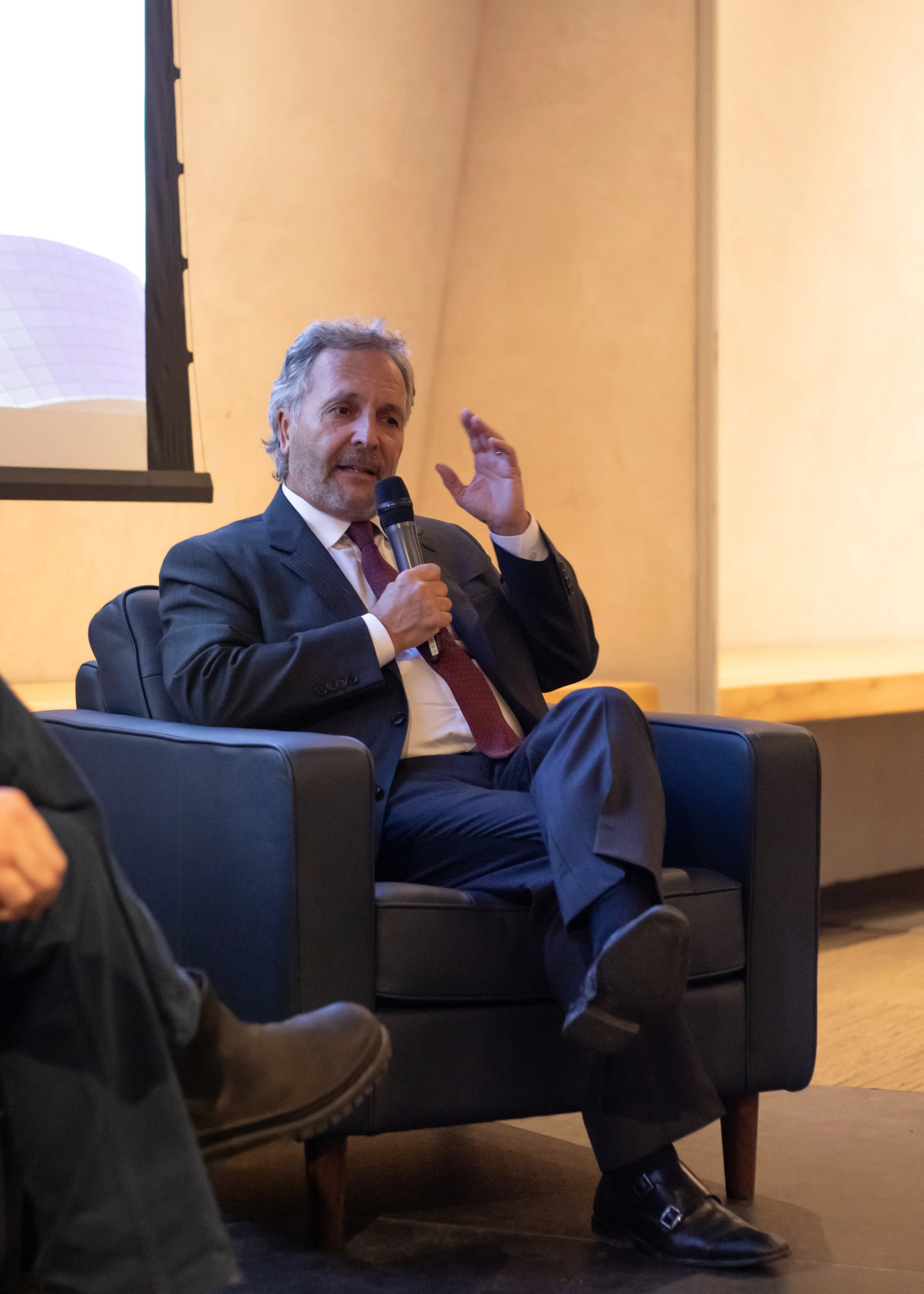
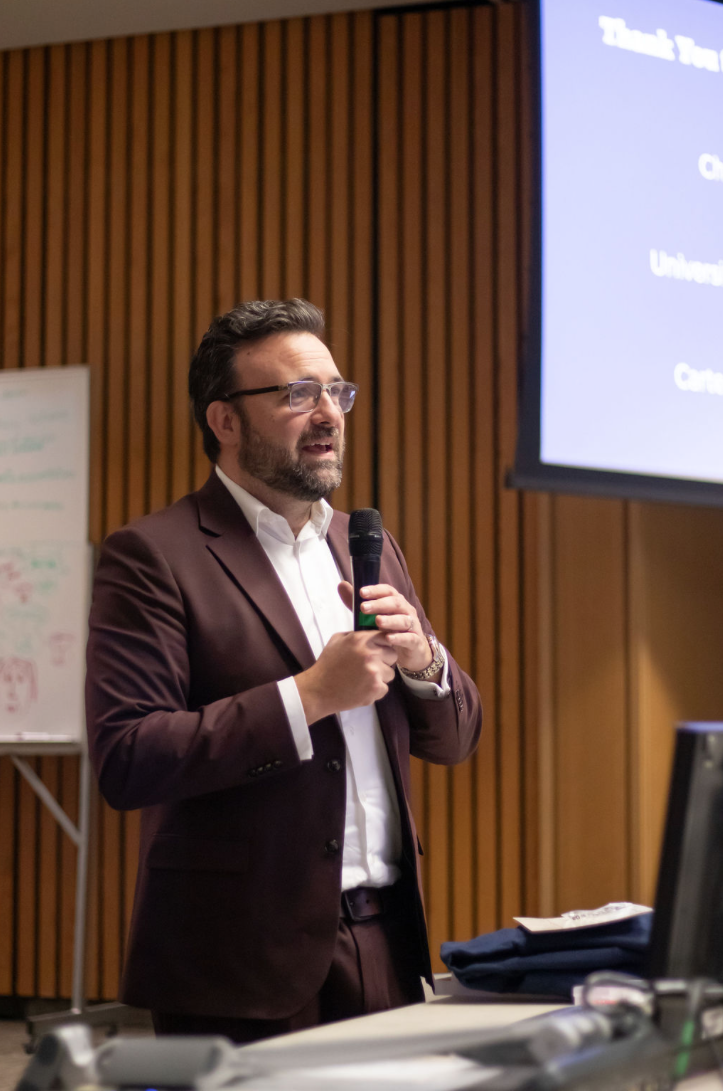
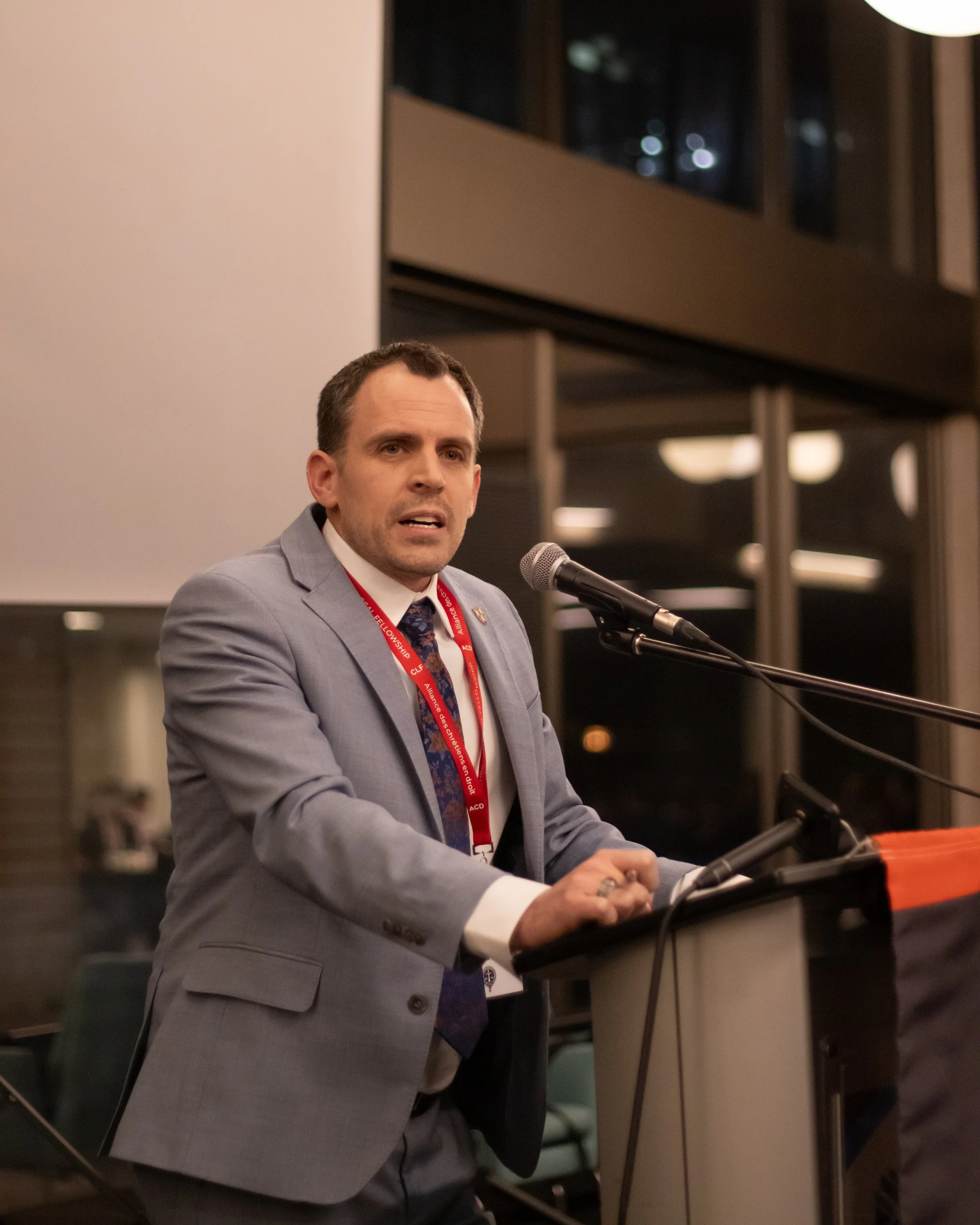
Our time together then turned to a fireside chat with Chief Justice Glenn Joyal of the Manitoba Court of King’s Bench, which set the tone for the days ahead. In conversation with CLF’s Executive Director Derek Ross, Chief Justice Joyal addressed the rule of law, the importance of institutional integrity, and the need for thoughtful engagement with contested legal and philosophical questions. Chief Justice Joyal encouraged the audience to engage with the institutions around them, including religious institutions, and read avidly on topics outside of law, in order to maintain a balanced and holistic perspective on legal issues.
The Symposium sessions on Friday examined the evolving landscape of international rights discourse in Canada. Law students were given the opportunity to observe high-level legal dialogue and consider how constitutional interpretation, public policy, and moral reasoning intersect. These academic sessions served as a springboard for our sessions on faith, law, and practice on Saturday. To read more about the Realizing Rights Symposium, see here.


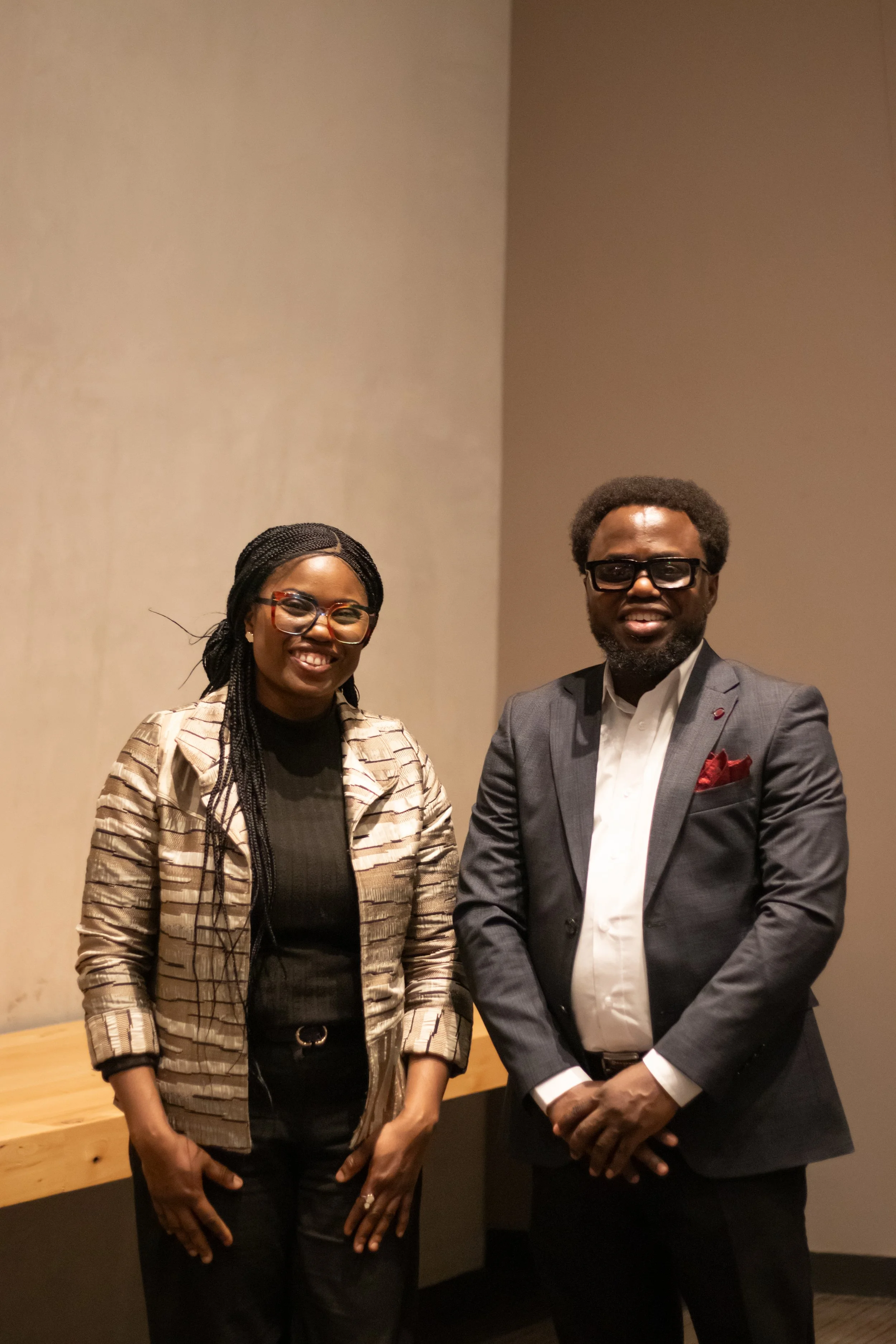
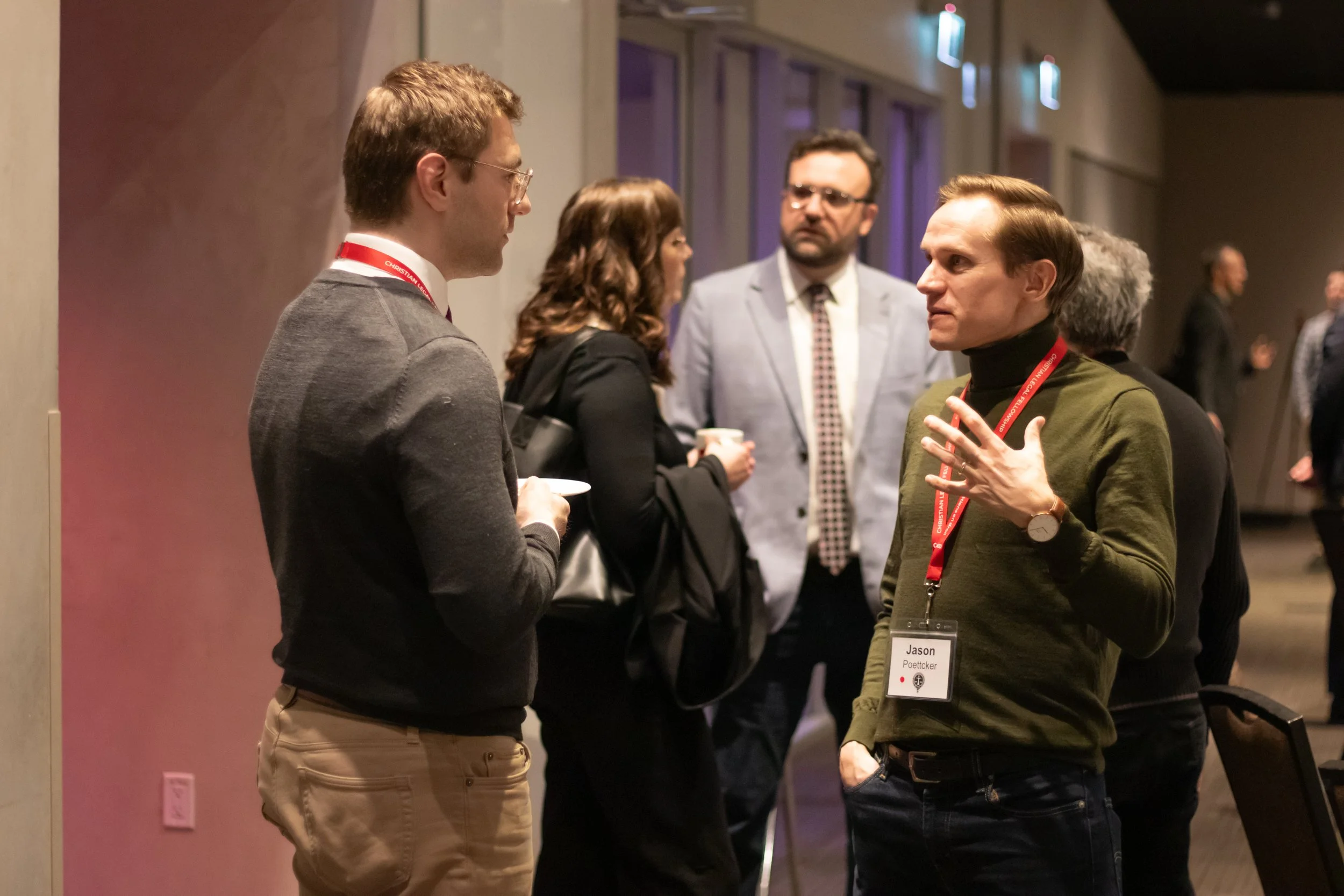
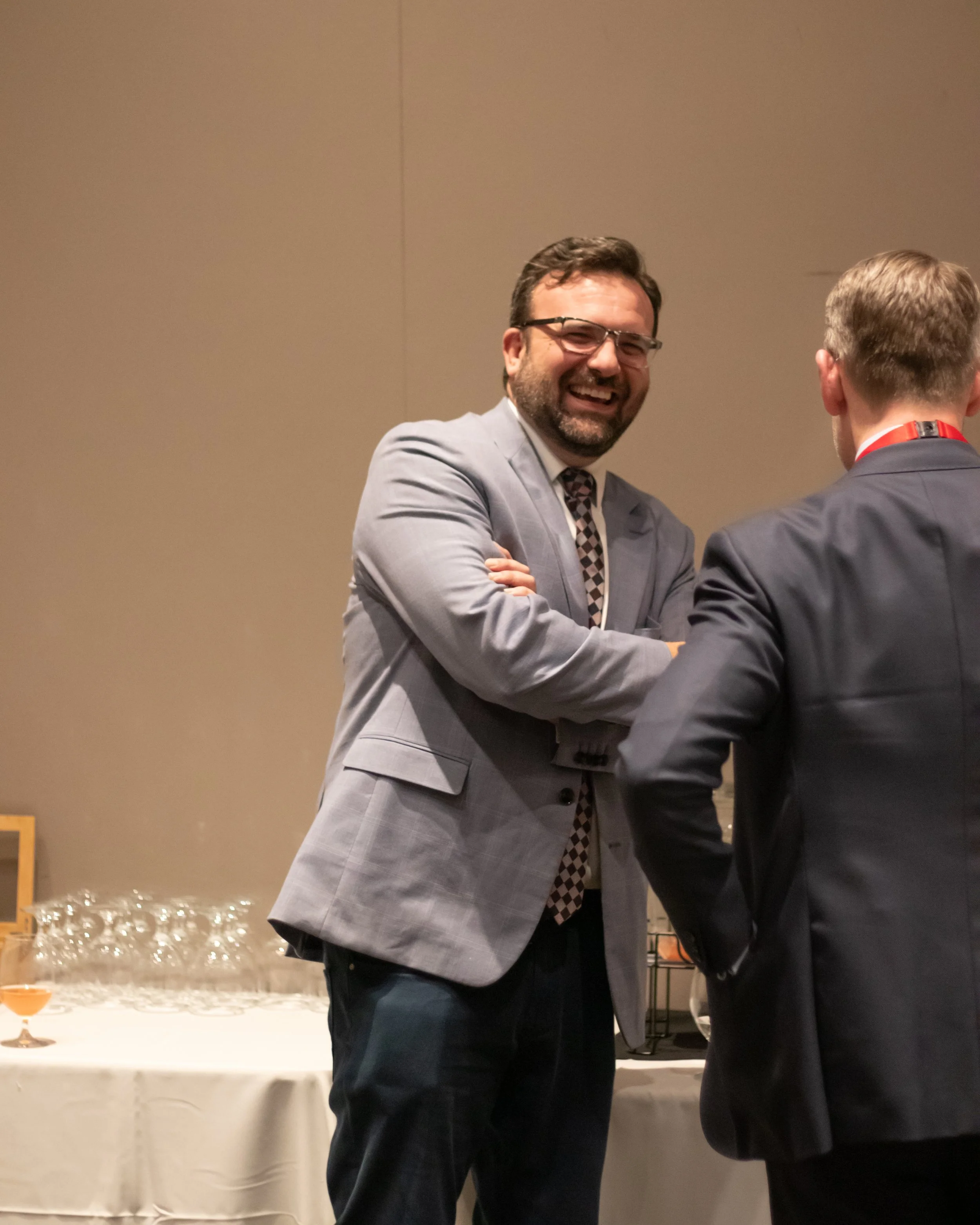
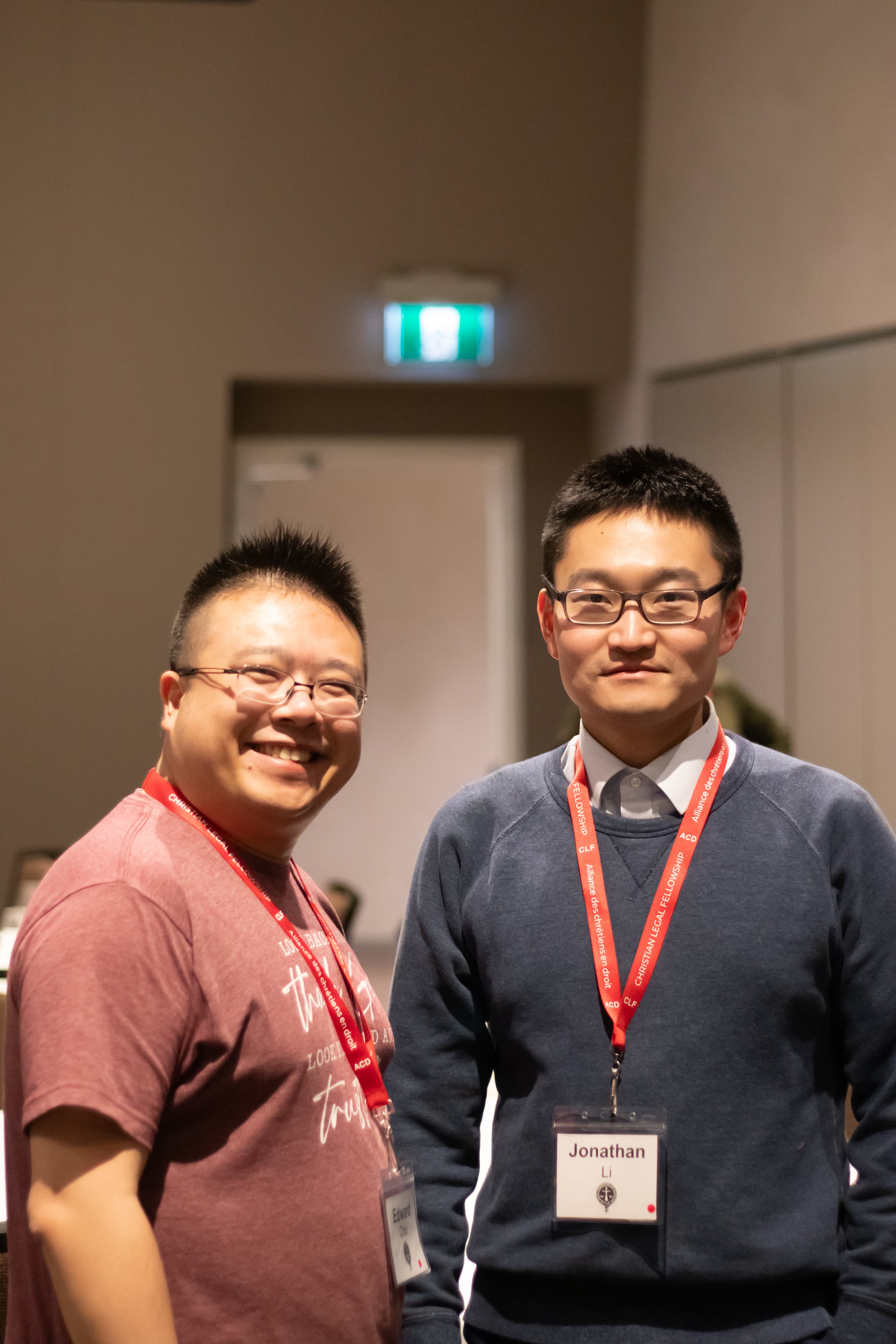
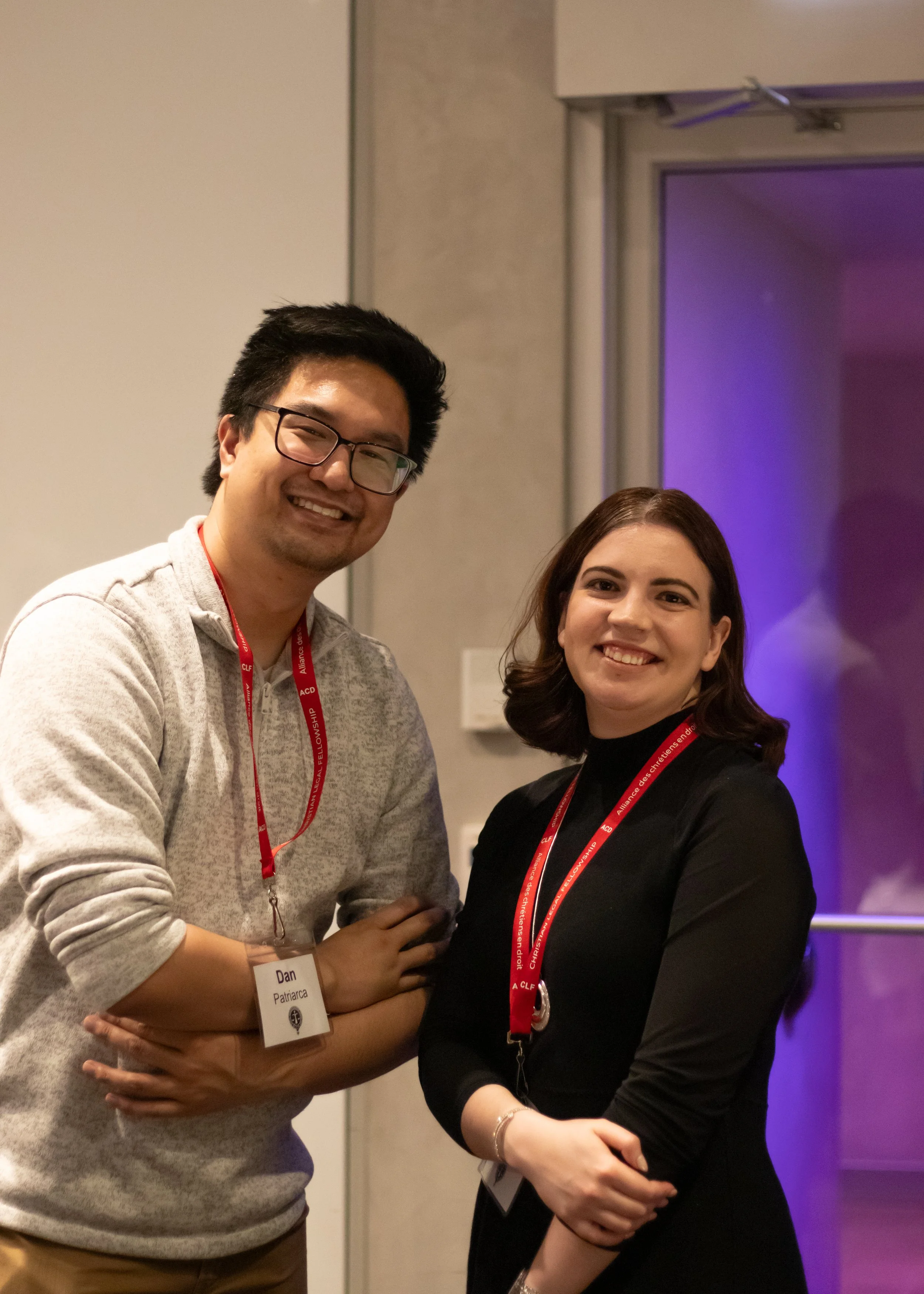
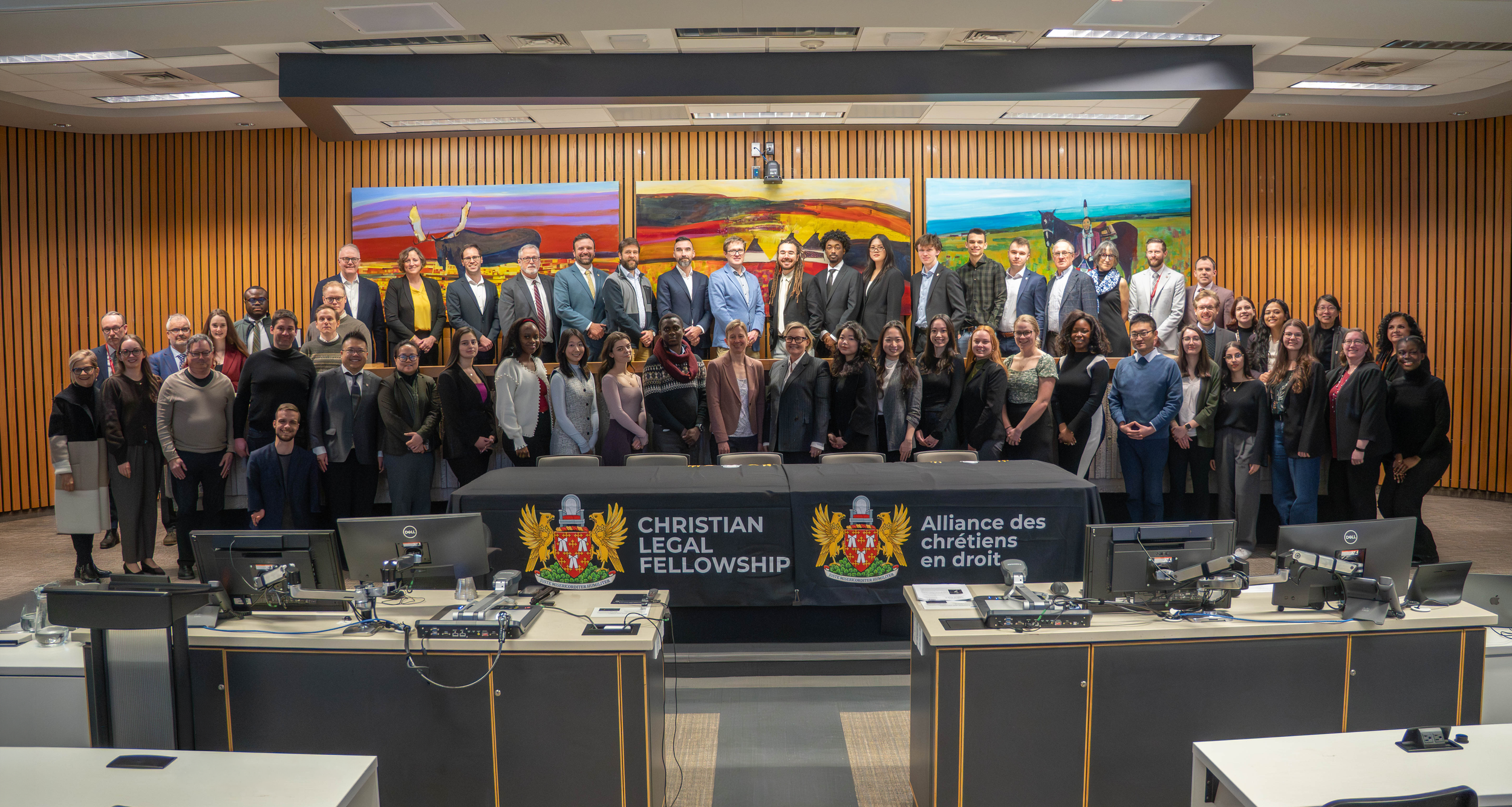
Justice Without Borders, Faith Without Fear
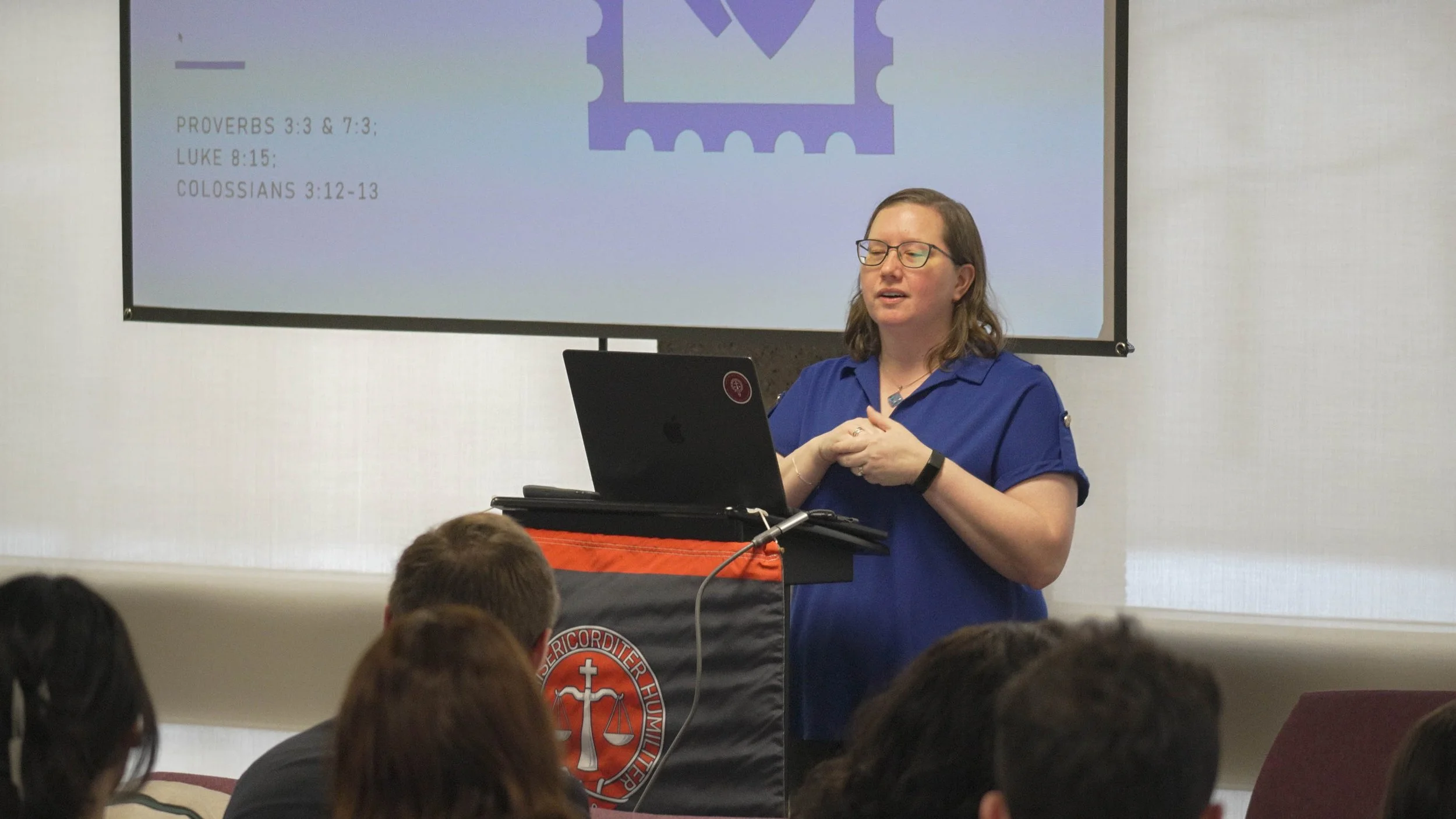
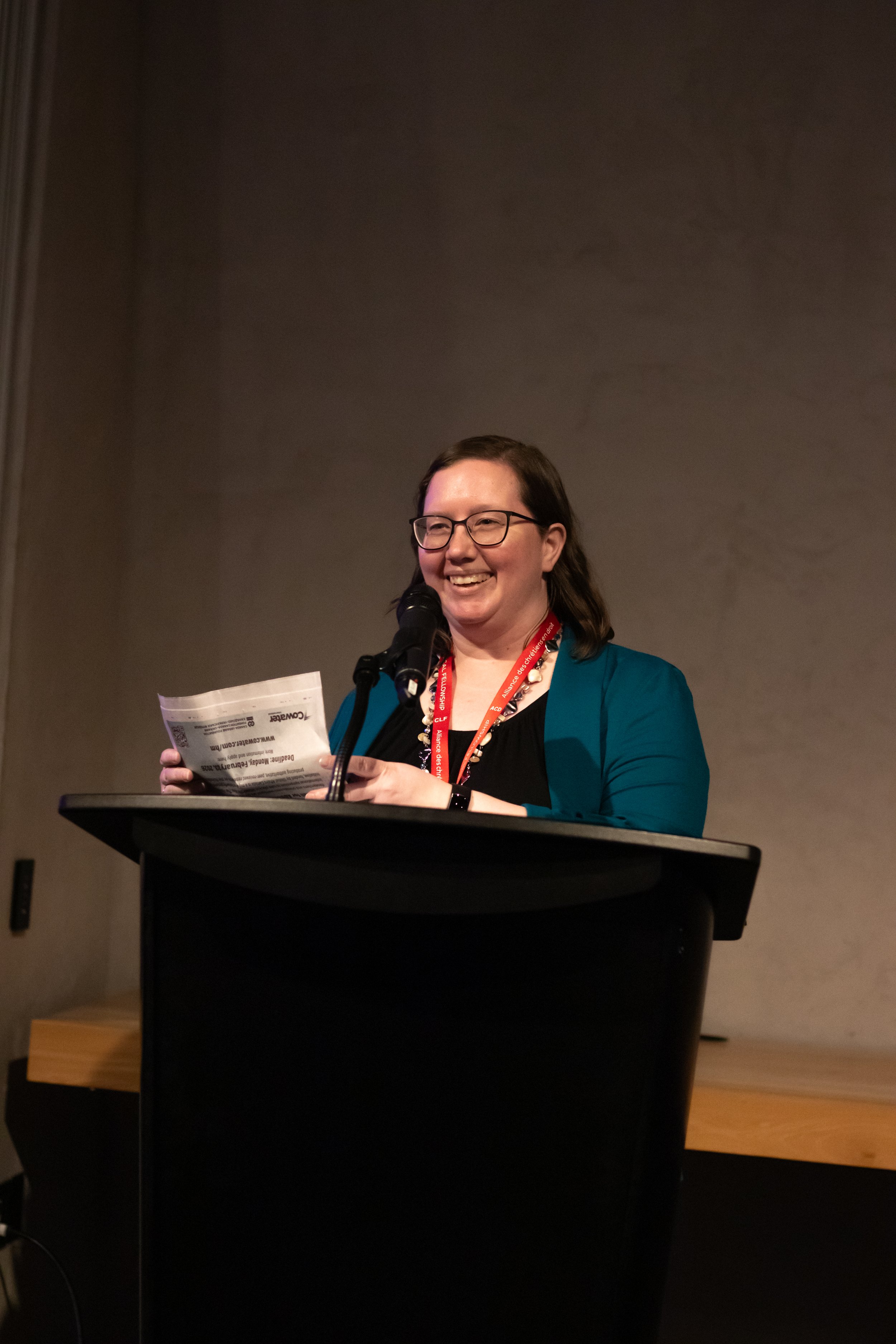
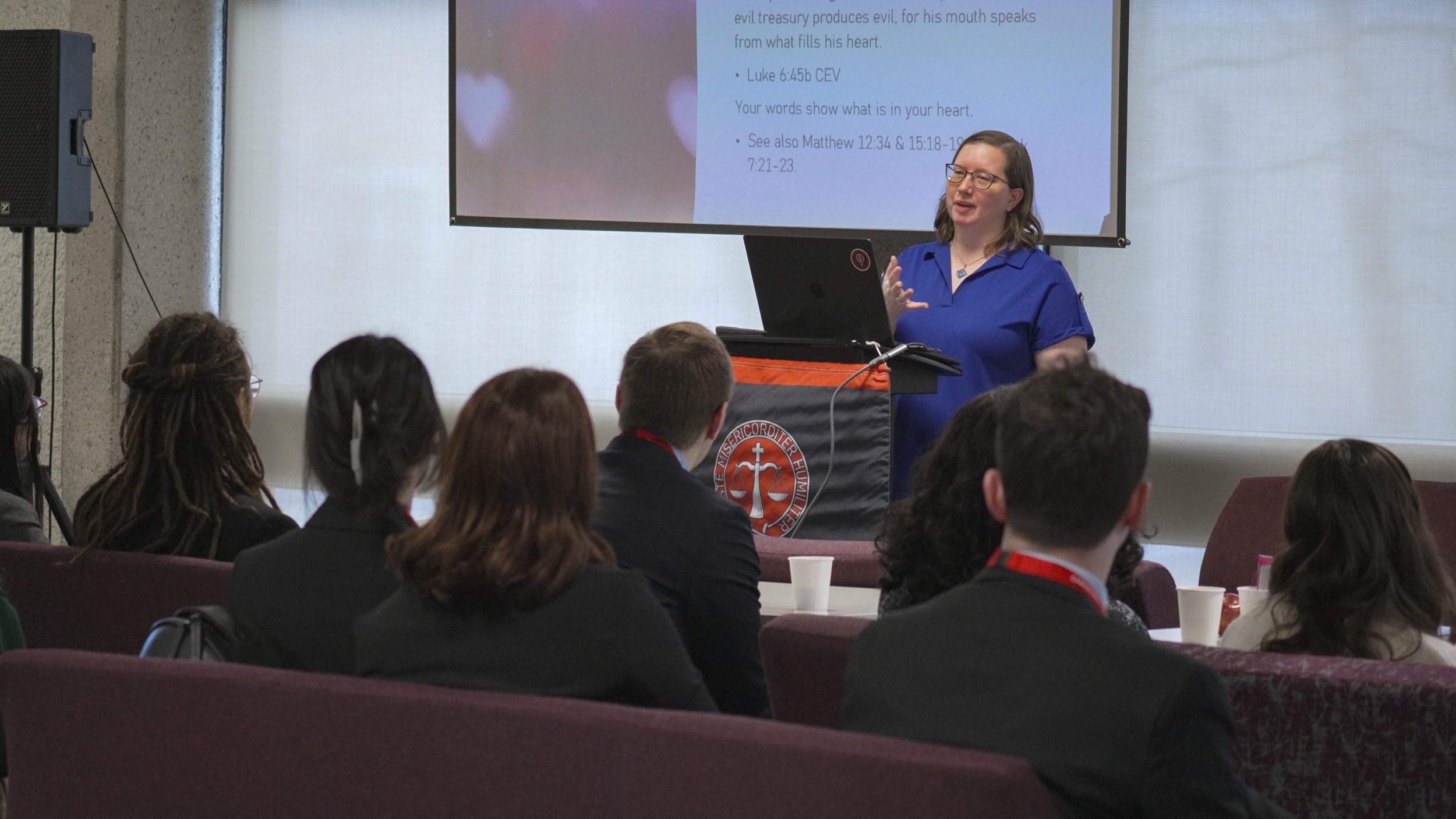
Saturday morning began with worship and a devotional led by Melanie Bueckert, CLF Board Member and Senior Research Counsel at the Manitoba Court of Appeal. Melanie delivered a devotional titled Matters of the Heart, which touched upon the many verses in Scripture that relate to the heart.
Melanie’s devotional emphasized a foundational principle: life flows from the inside out. Our habits, words, and decisions are reflections of the heart’s orientation. In an environment like law school, where competition, performance metrics, and comparison can dominate, the temptation is to allow identity to be shaped by grades, job offers, or prestige. Students were reminded that law school is one aspect of our identity among many, and not the defining one. When identity becomes tethered to performance, fear inevitably follows: fear of inadequacy, fear of failure, “imposterism” or fear of being exposed. The devotional established a key thread that would continue throughout the weekend: the antidote to fear is not greater achievement, but deeper rootedness in Christ.
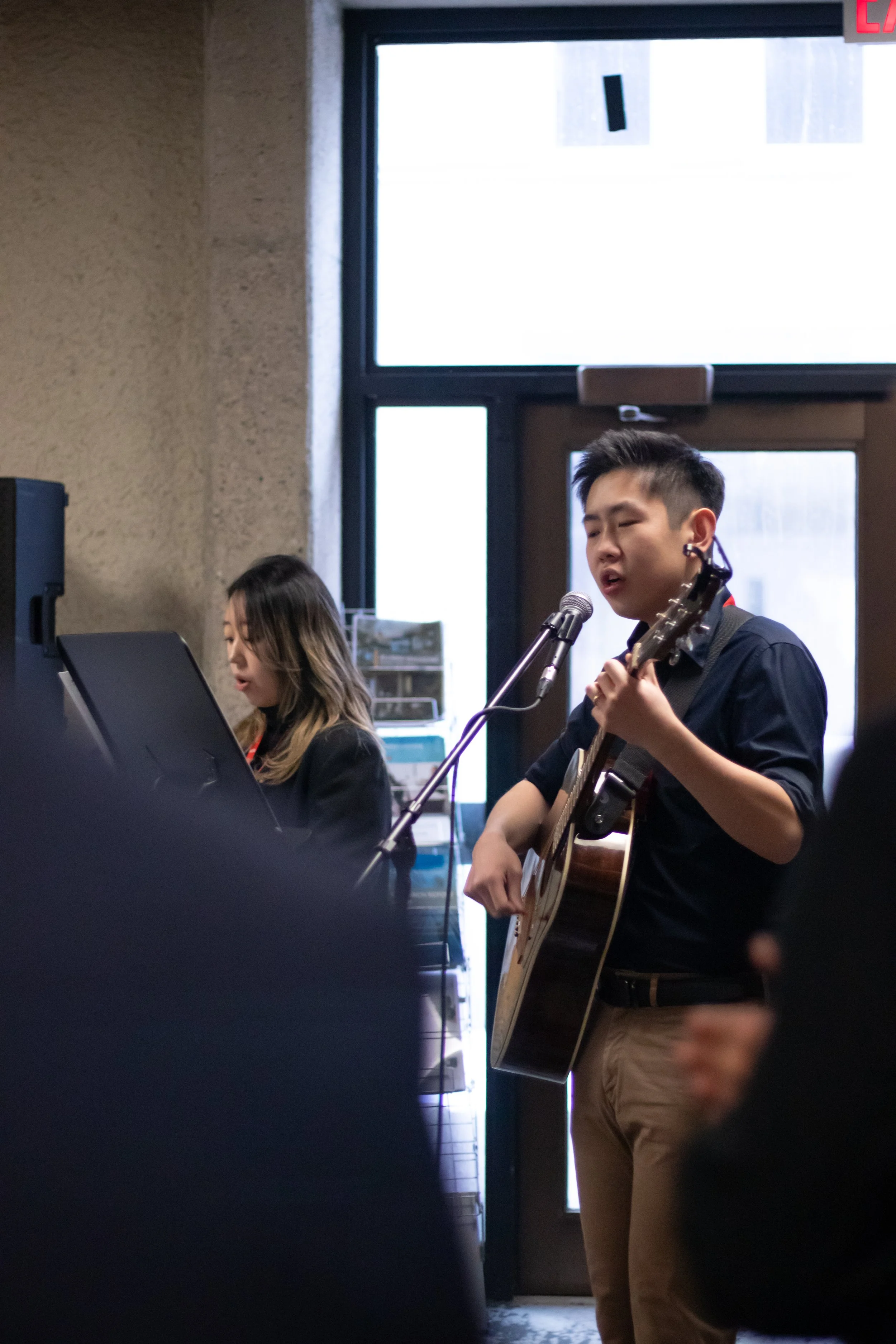
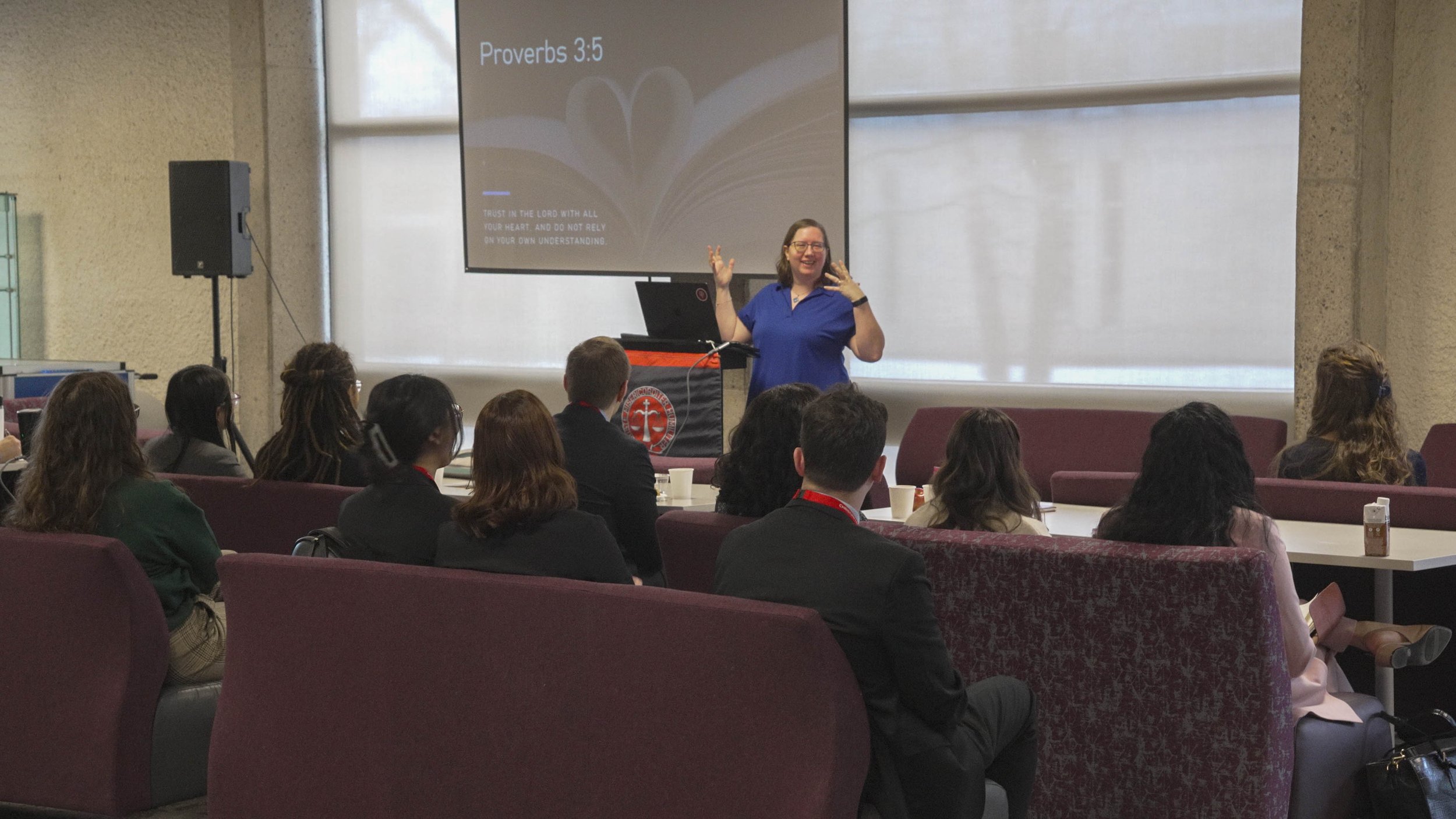
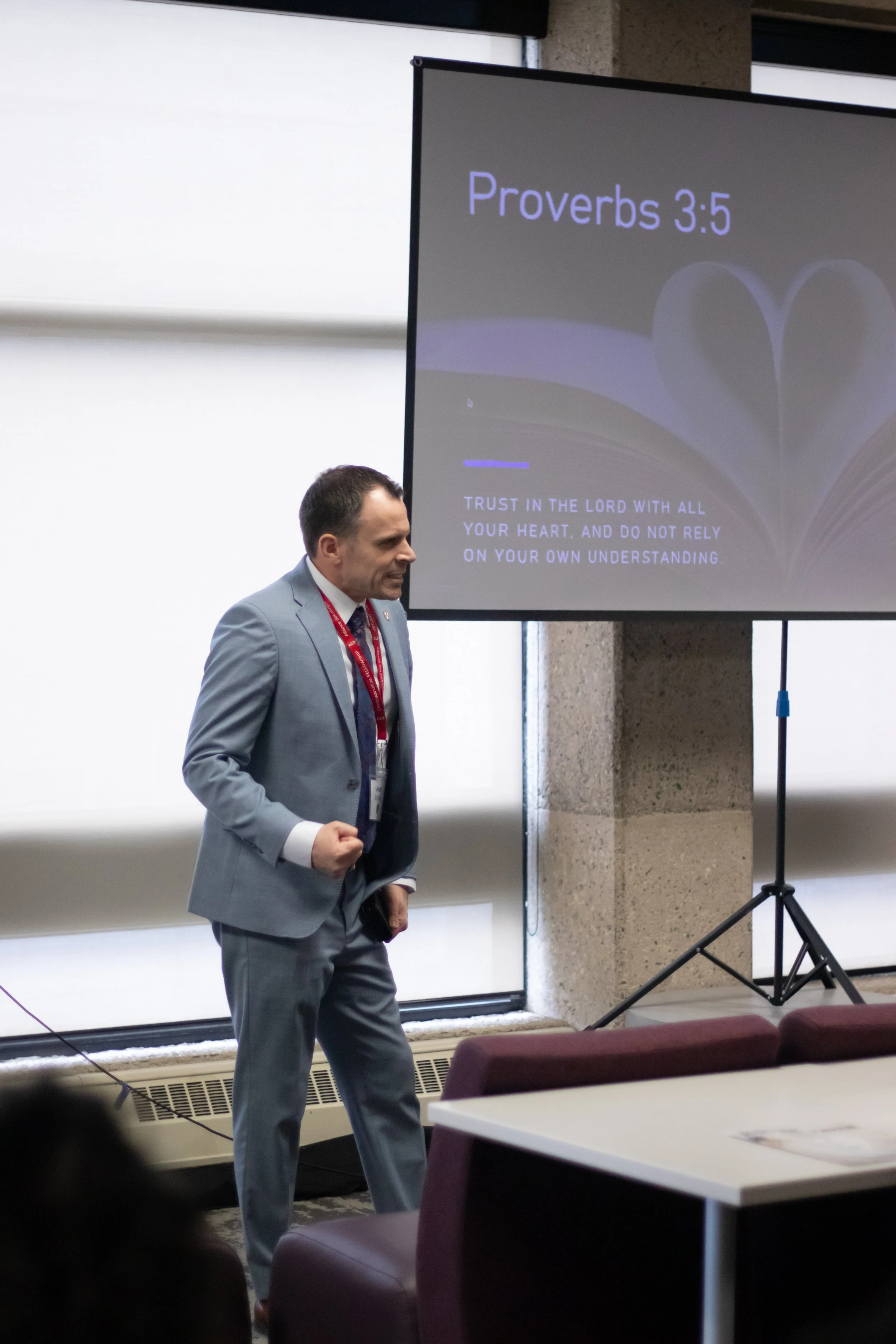
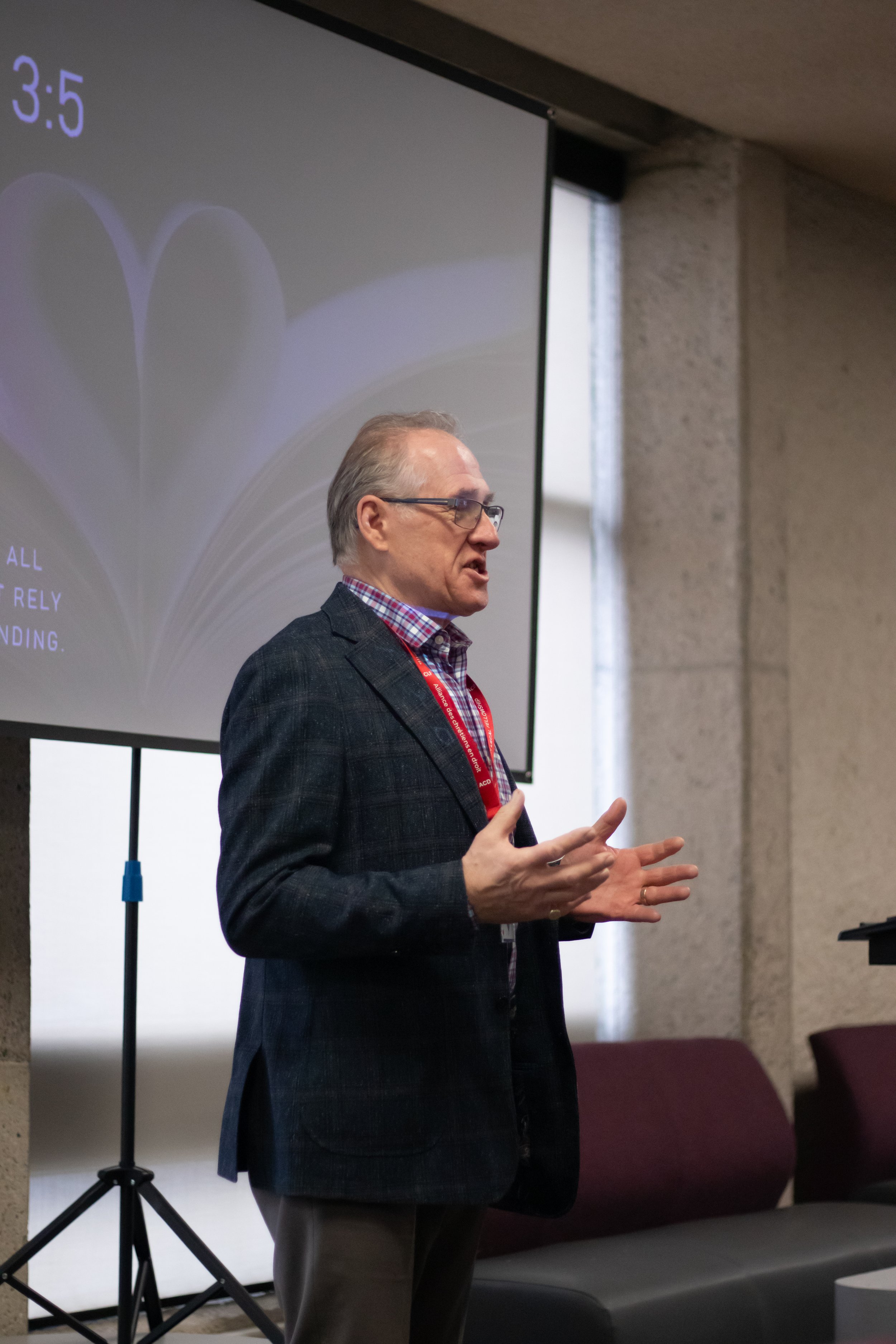
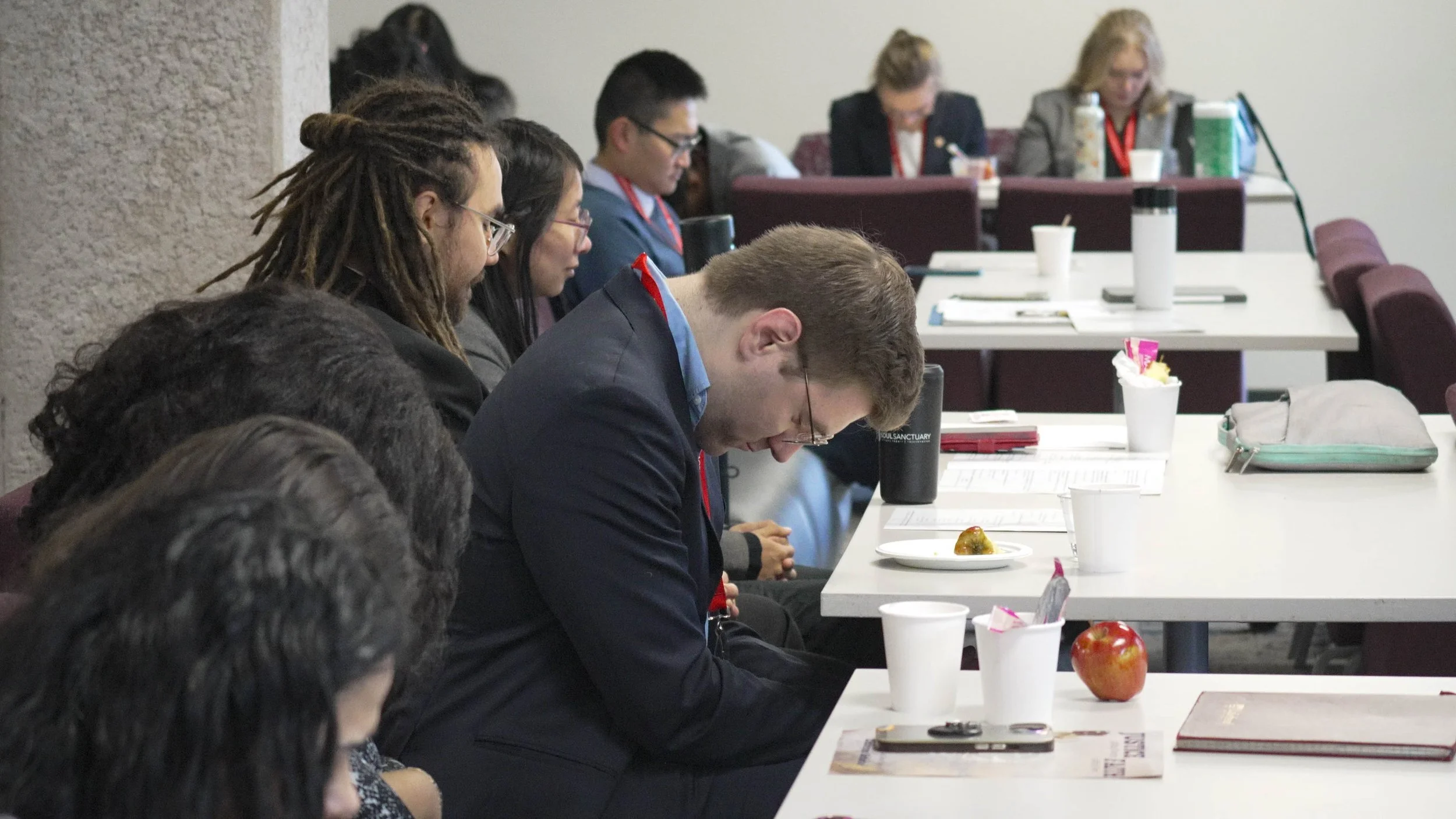
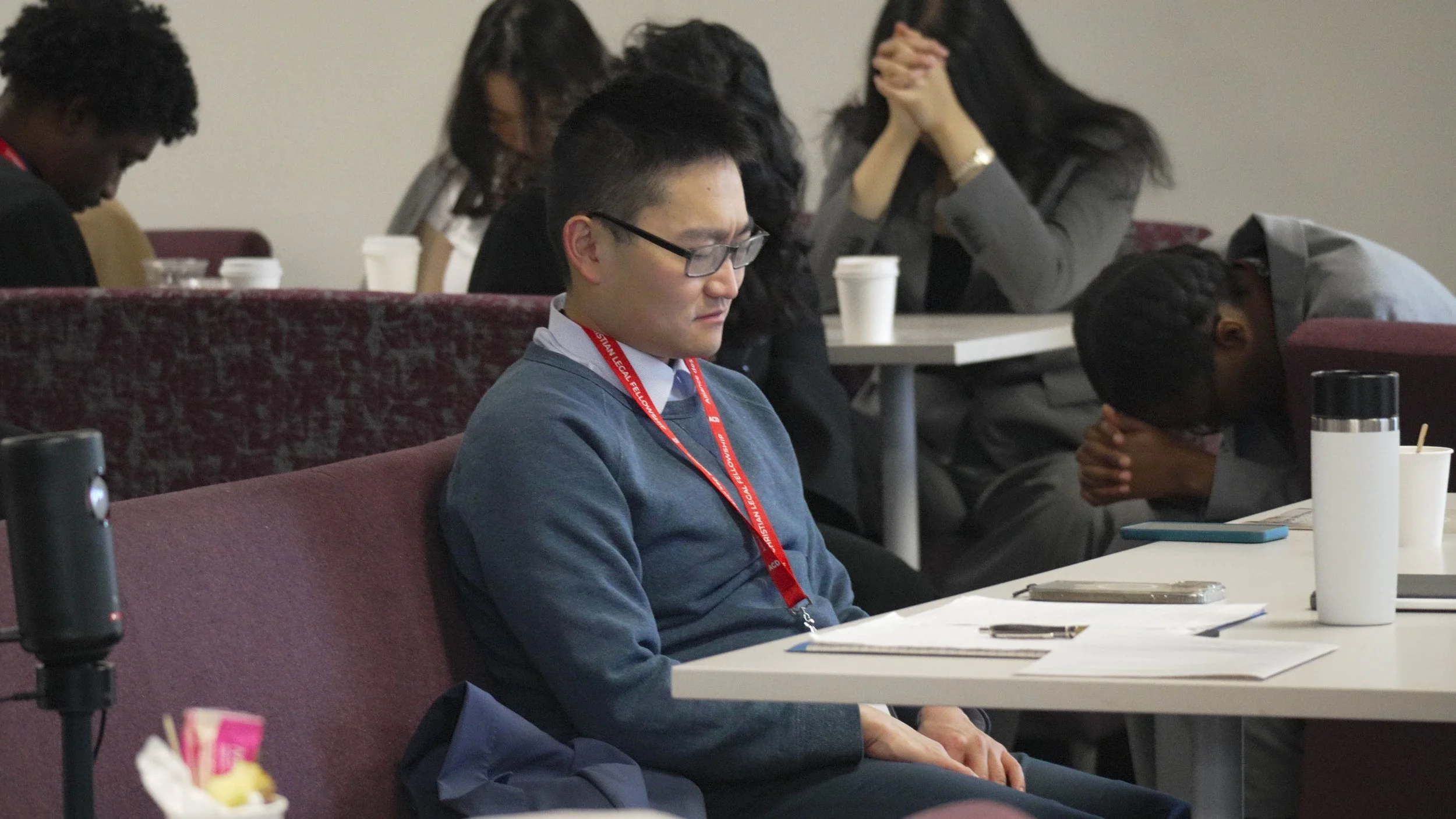
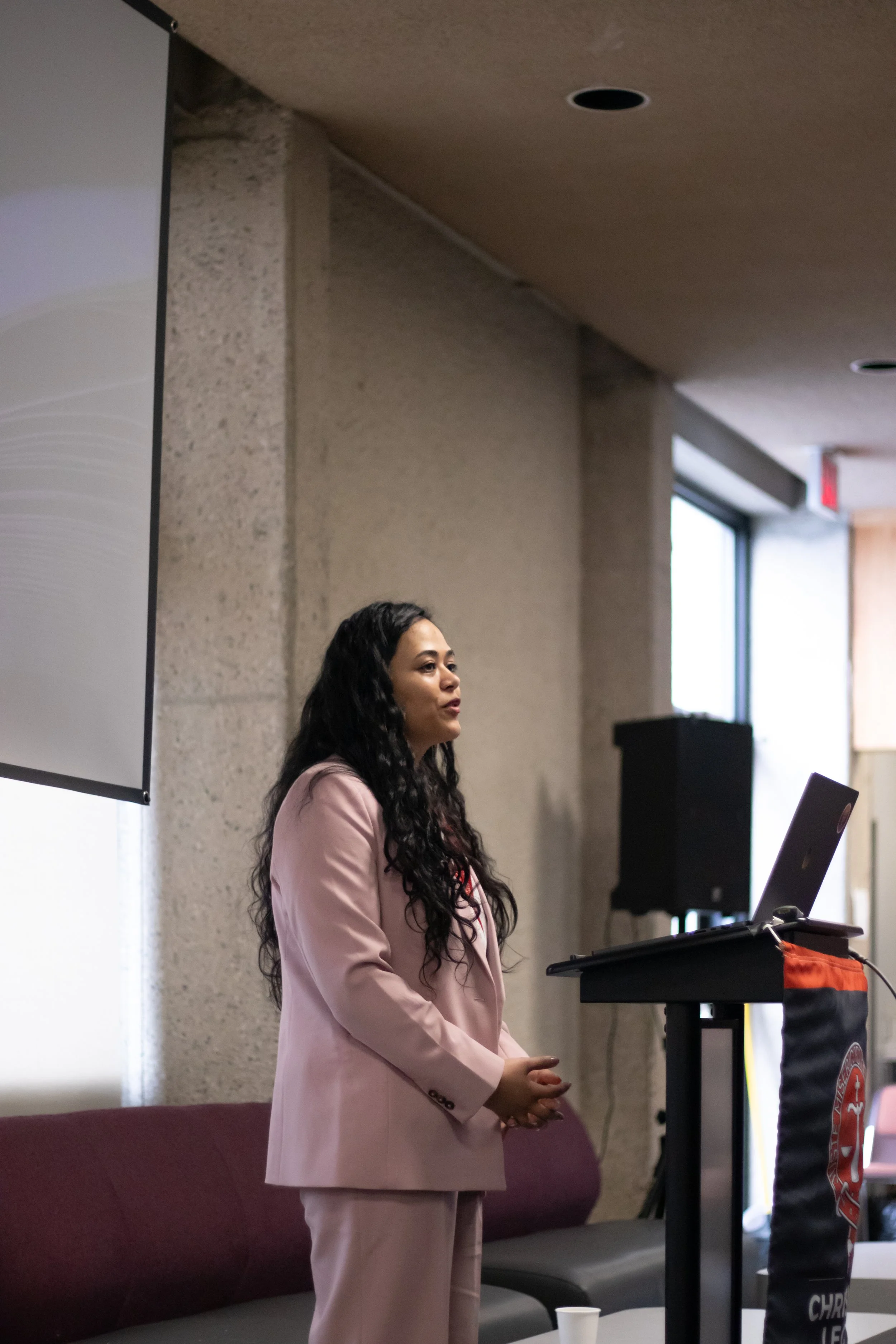



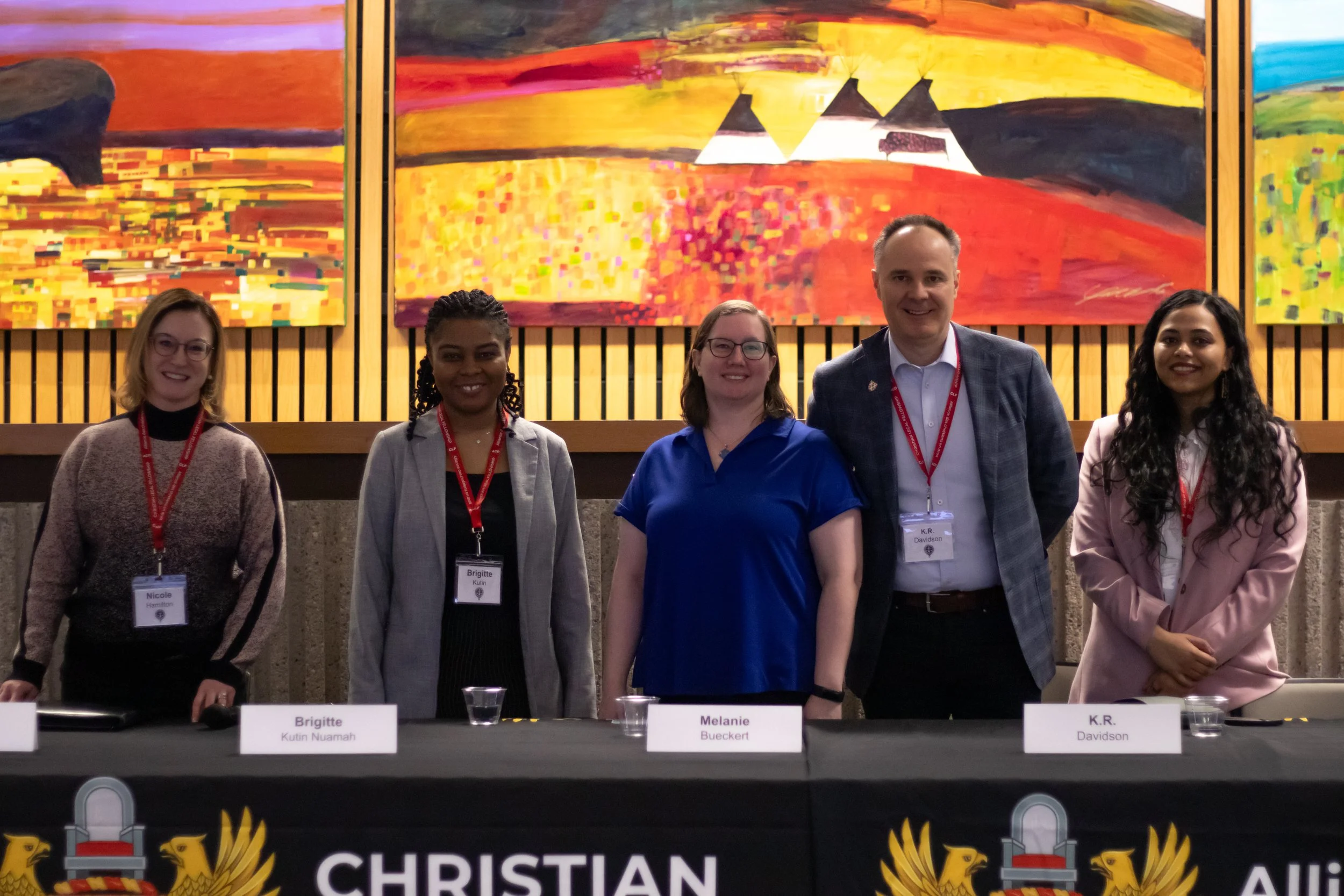
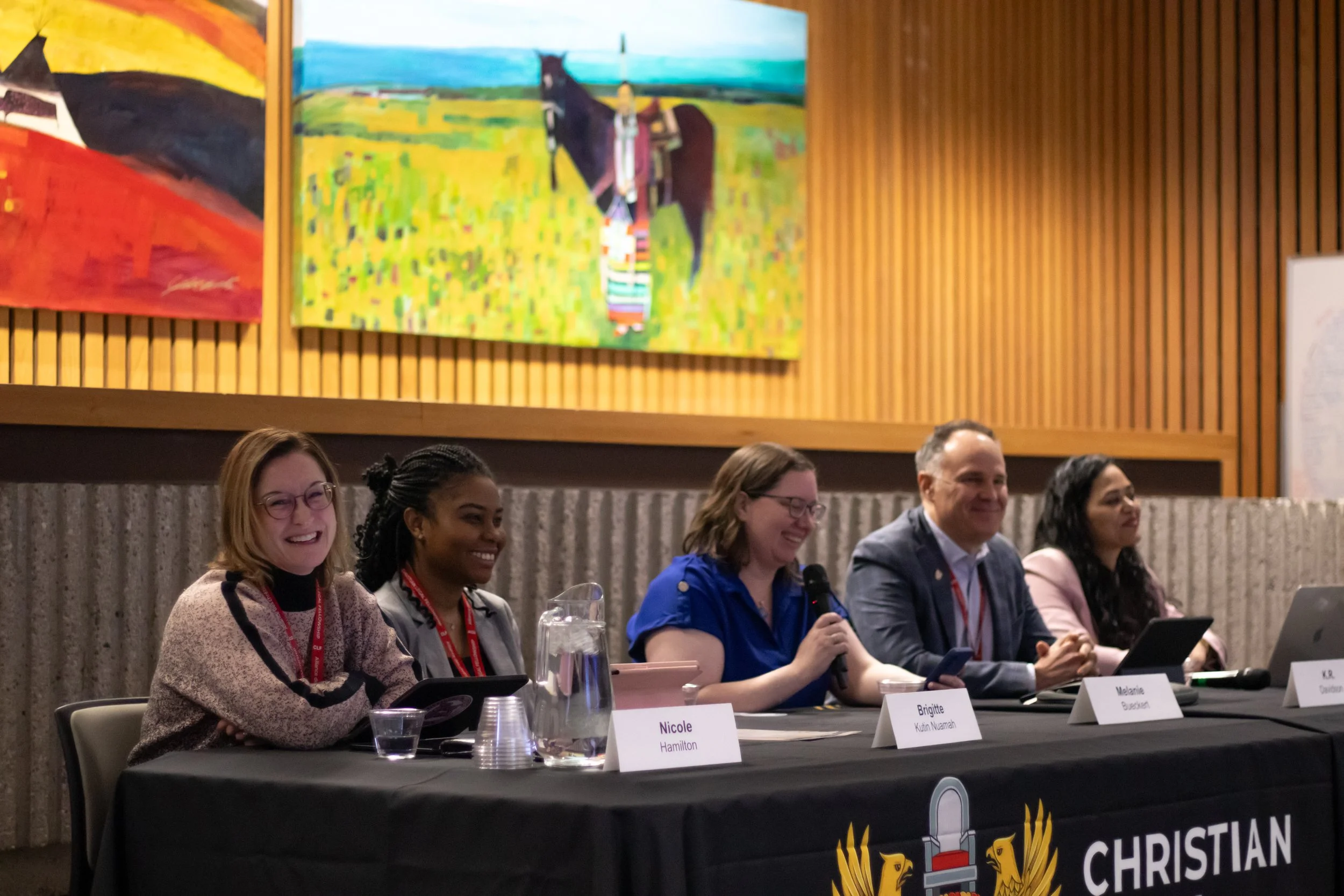
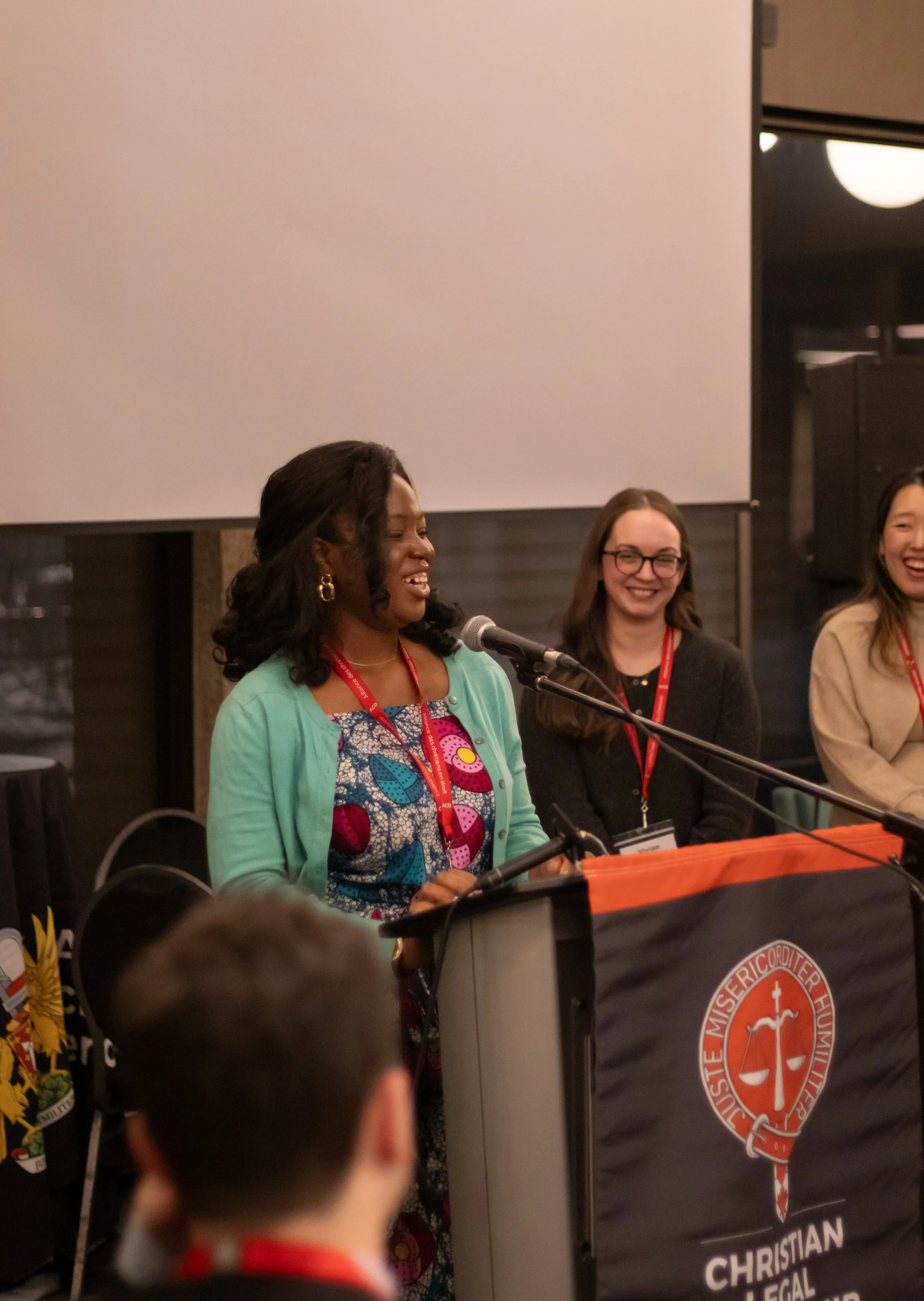
The first panel session, Relationships and Life in the Law, addressed a topic often overlooked in formal legal education: relational integrity and time stewardship. Panelists K.R. Davidson, Melanie Bueckert, Nicole Hamilton, and Brigitte Kutin Nuamah (moderated by Apara Grace) challenged students to reconsider how they view busyness. One described time management not as an issue of effort, but of orientation. The question is not merely how much one is doing, but what or whom one is connected to.
The discussion emphasized that every “yes” entails a “no.” Saying “yes” to one thing, means ultimately needing to say “no” to something else, as we all have limited time. This was a powerful reminder for us to intentionally steward time in ways that reflect our values. Saying “yes” indiscriminately to every committee, networking event, or opportunity may appear ambitious, but can erode relationships, as well as mental, physical, and spiritual health.
“... the antidote to fear is not greater achievement, but deeper rootedness in Christ.”
The panel also addressed communication, both spoken and written. In the legal profession, words are tools for advocacy. They can build up or tear down, clarify or inflame. As lawyers and law students, we wield influence through submissions, correspondence, and negotiations. We were reminded that the spirit behind communication matters as much as its technical precision. This kicked off our day with practical and applicable wisdom, complete with stories, book recommendations, and encouraging Bible passages, shared by each of the panelists.


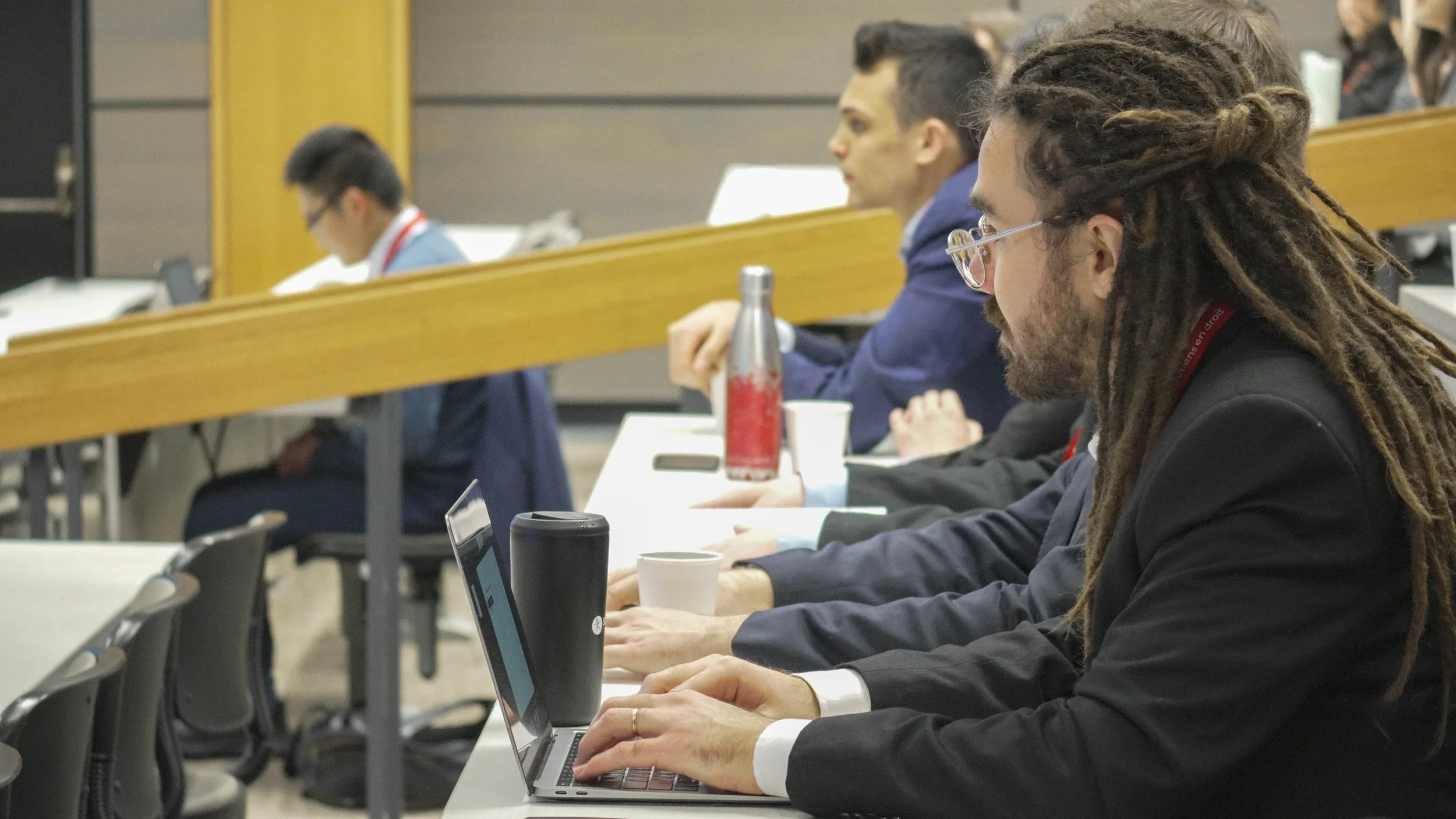
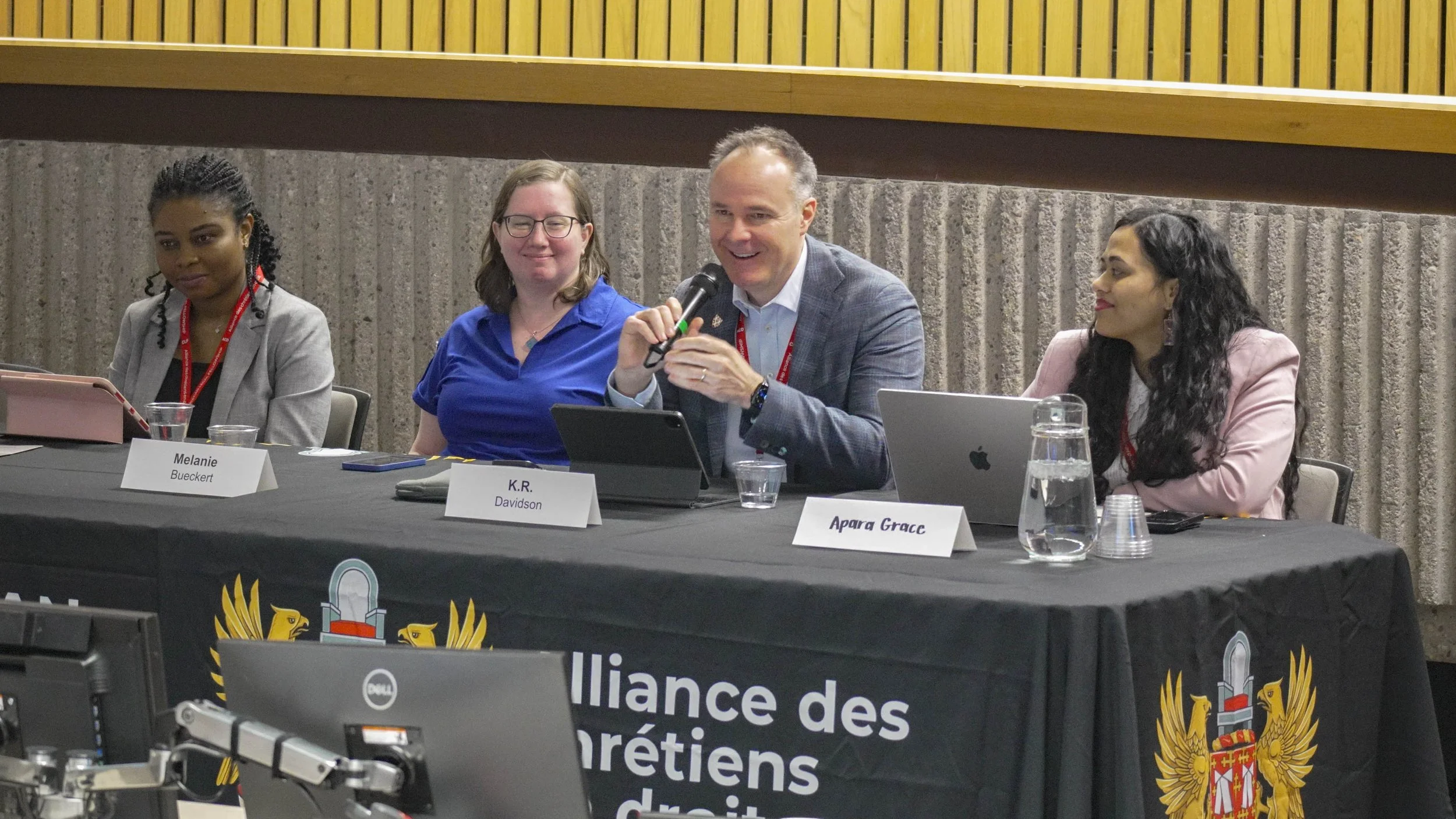
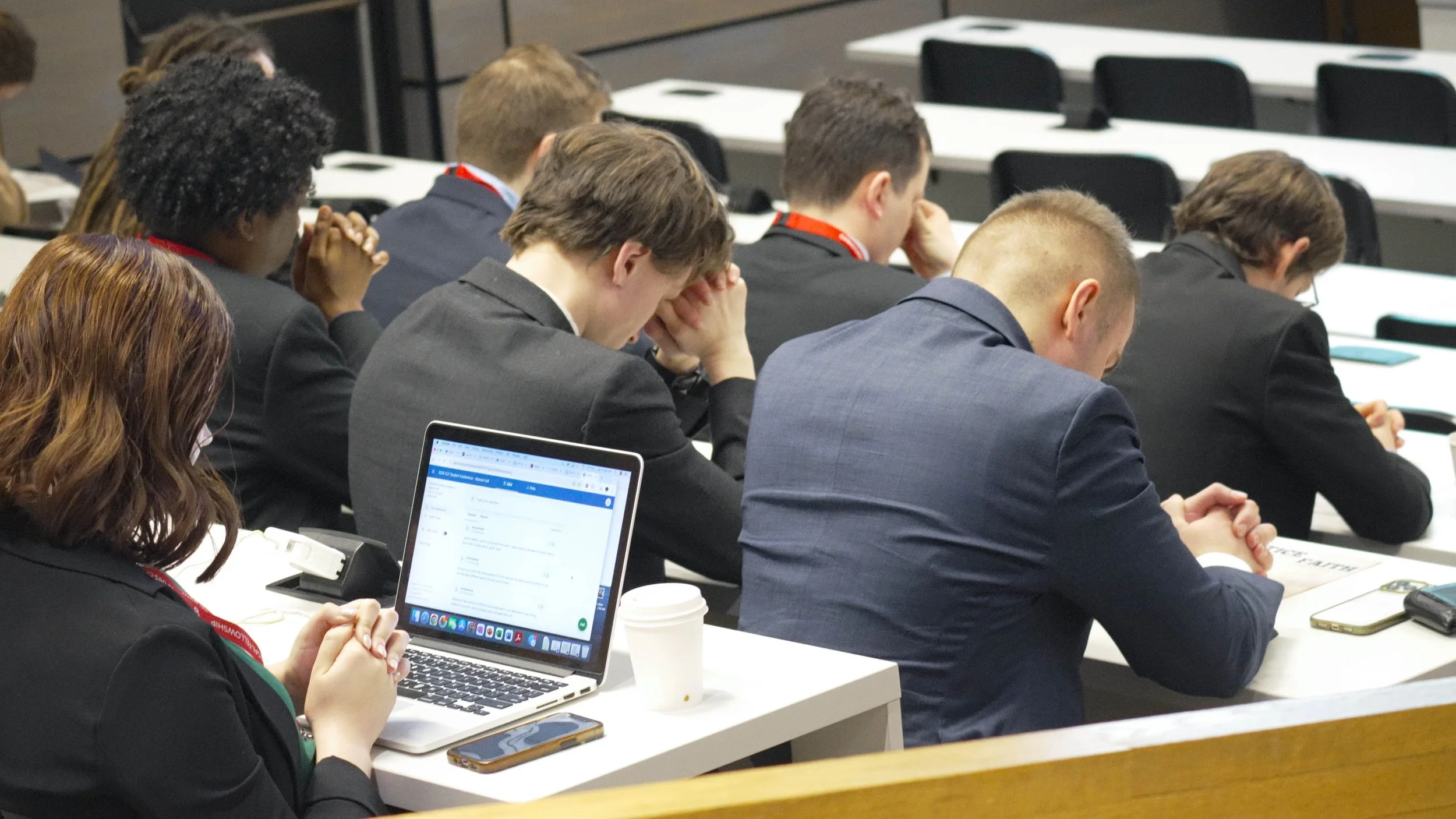
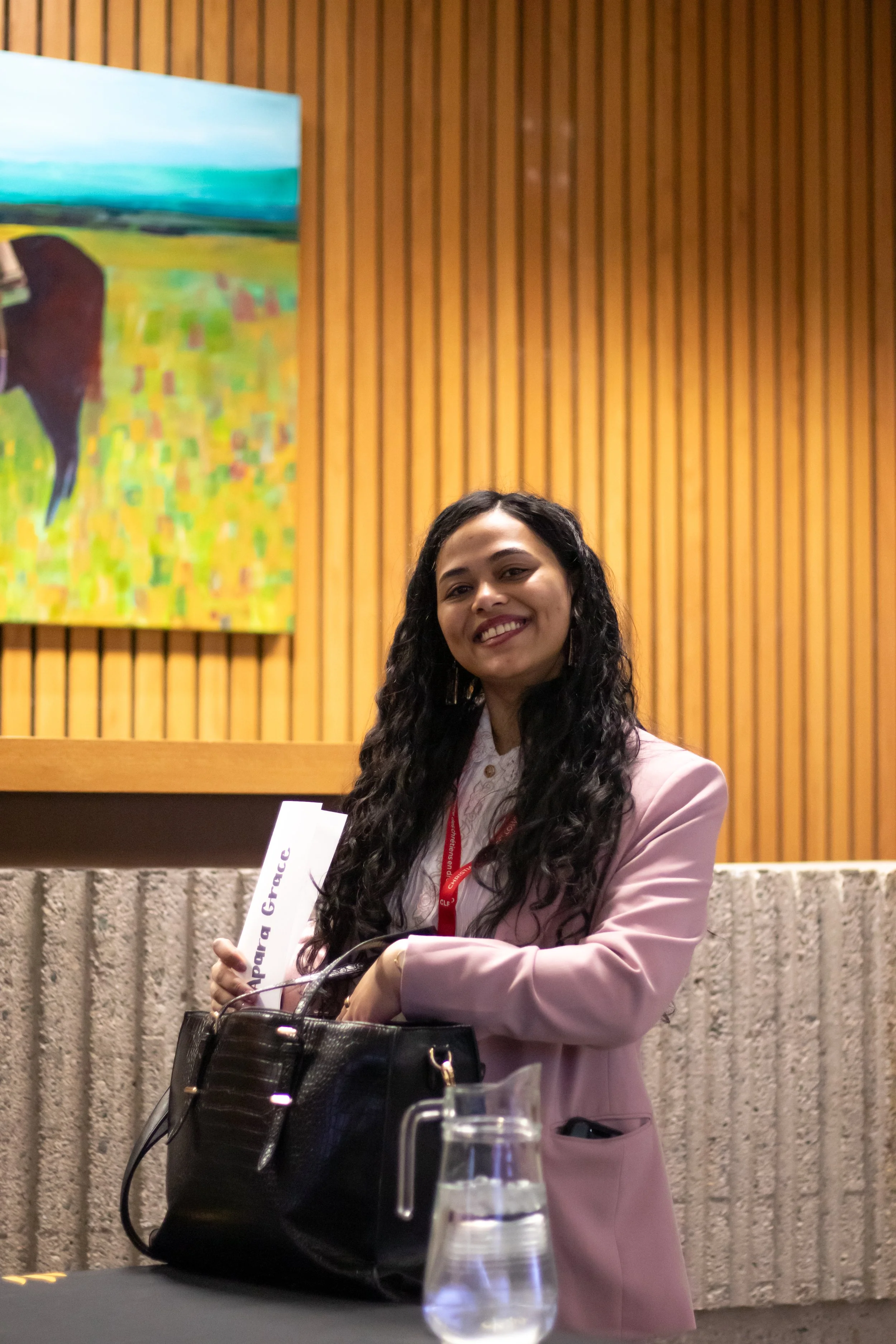

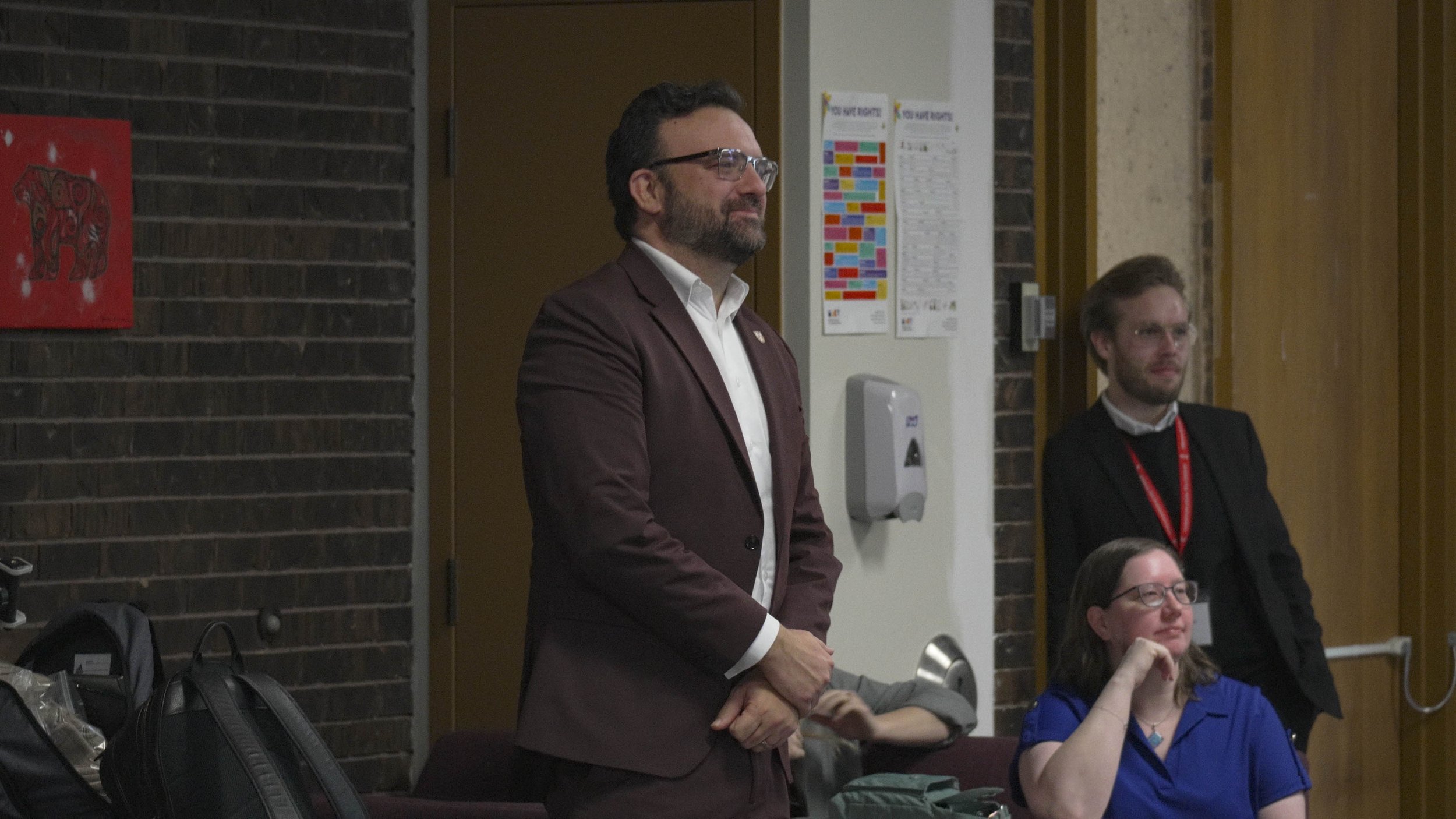
Dean Richard Jochelson of the University of Manitoba Faculty of Law offered special remarks on Saturday morning of the Student Conference. He shared that faith communities offer valuable lessons about relational commitment and bridge-building. He encouraged students to model peacemaking and principled dialogue within our careers and the systems we become part of. Dean Jochelson reminded us that the rule of law and democracy flourish when participants approach disagreements with integrity and a commitment to shared good. We were inspired to view faith not as a private compartment, but as a core element out of which flows our constructive participation in the legal profession.
Our day continued with another panel, Integrating Faith in the Practice of Law, focused on diverse areas of practice, including criminal law, family law, civil litigation, and general practice.
Panelists Brian Clarke, Ruth Ross, and Clay Stewart (moderated by Scott Kennedy) shared about their own journeys and career trajectories. Several of them described unexpected shifts in practice areas. Rather than interpreting detours as failures, they testified to God’s providence in redirecting paths. We were encouraged to remain open-minded about career plans, nimble to embrace opportunities that were not originally envisioned.
This panel emphasized law as a ministry and service. Clients often approach lawyers at moments of crisis, such as criminal charges, family breakdowns, and civil disputes. Lawyers stand at intersections where law meets human vulnerability. Seeing law as ministry reframes daily work. Drafting pleadings, negotiating settlements, and advising clients all become opportunities to serve justice with compassion.
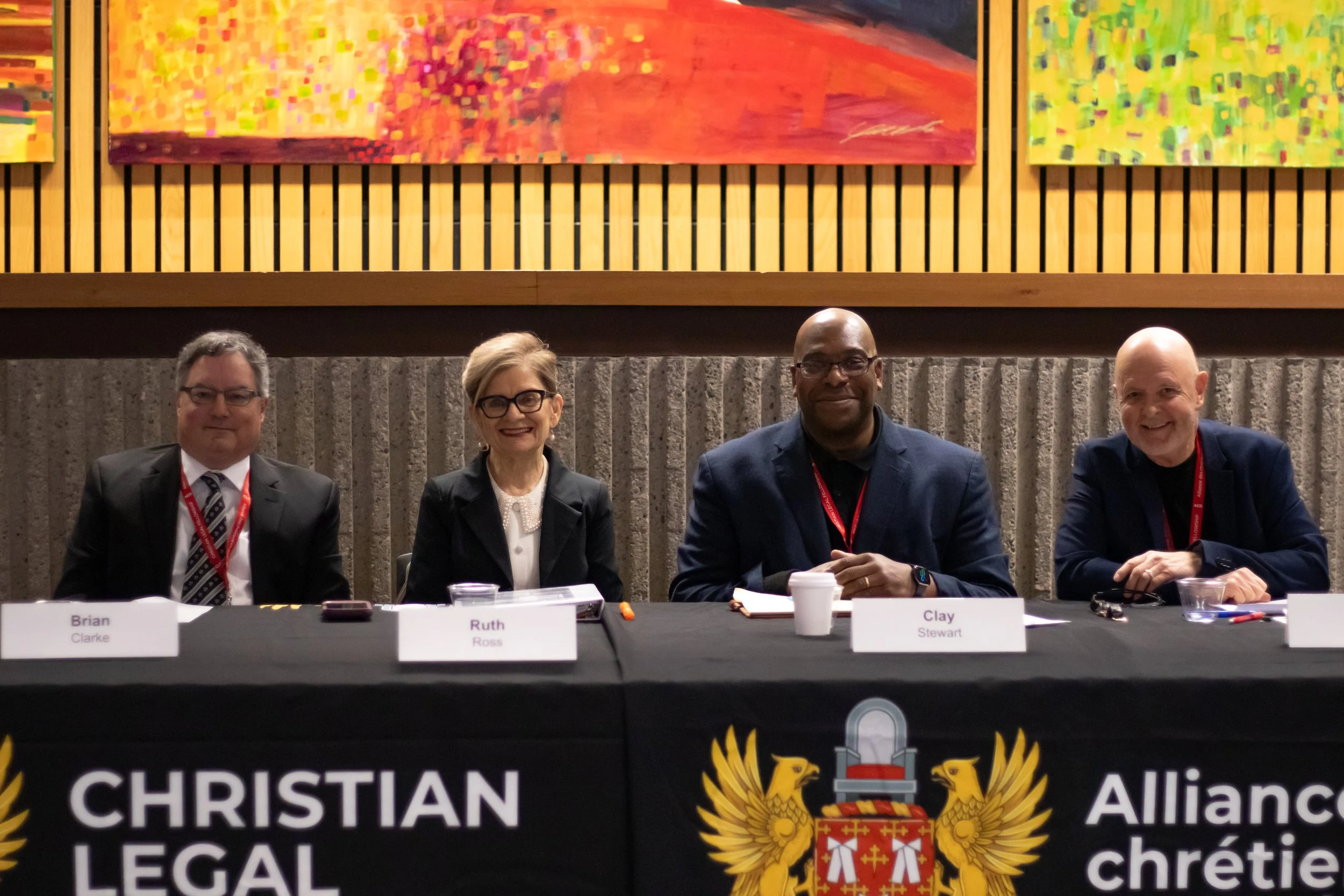

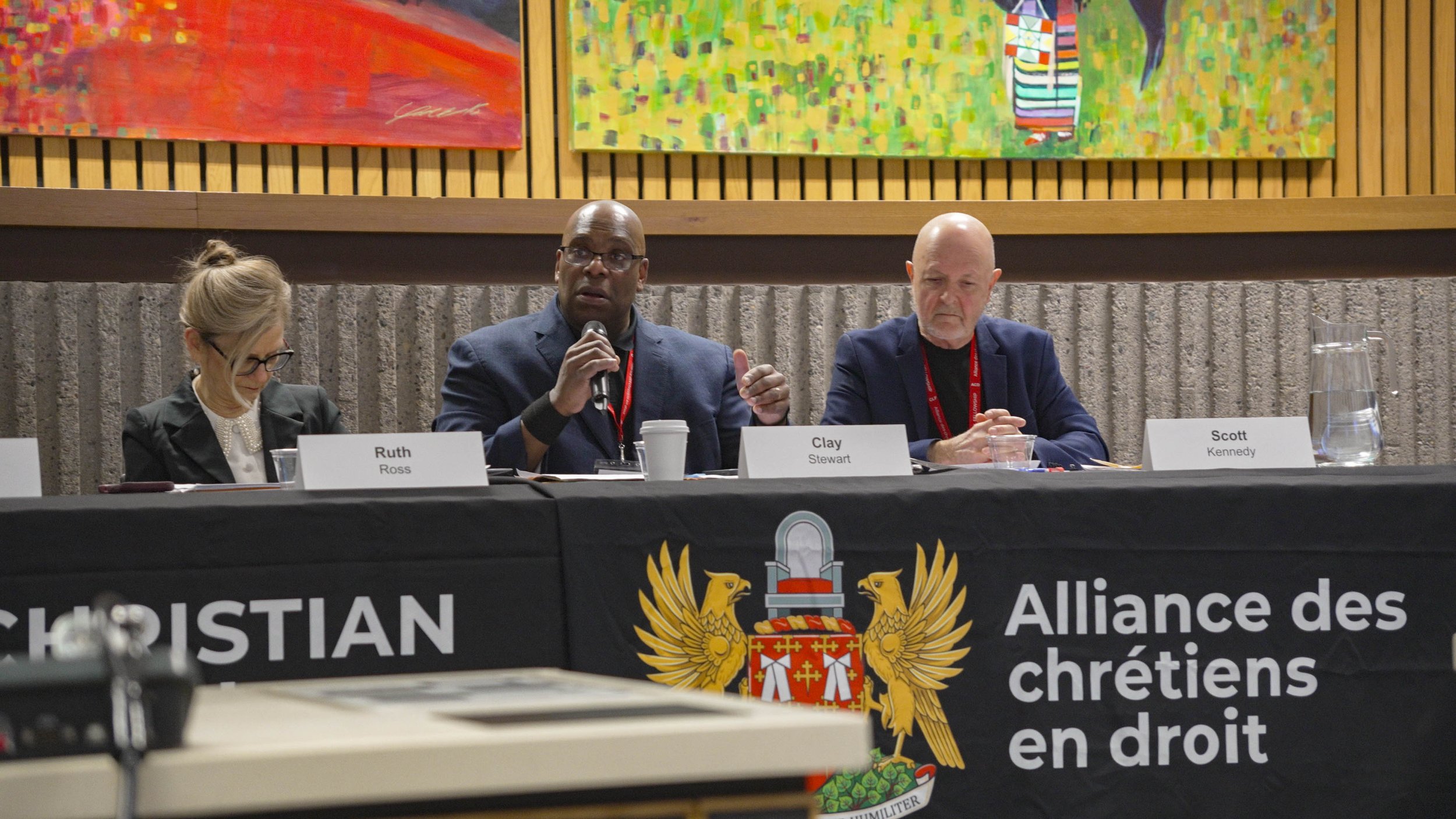

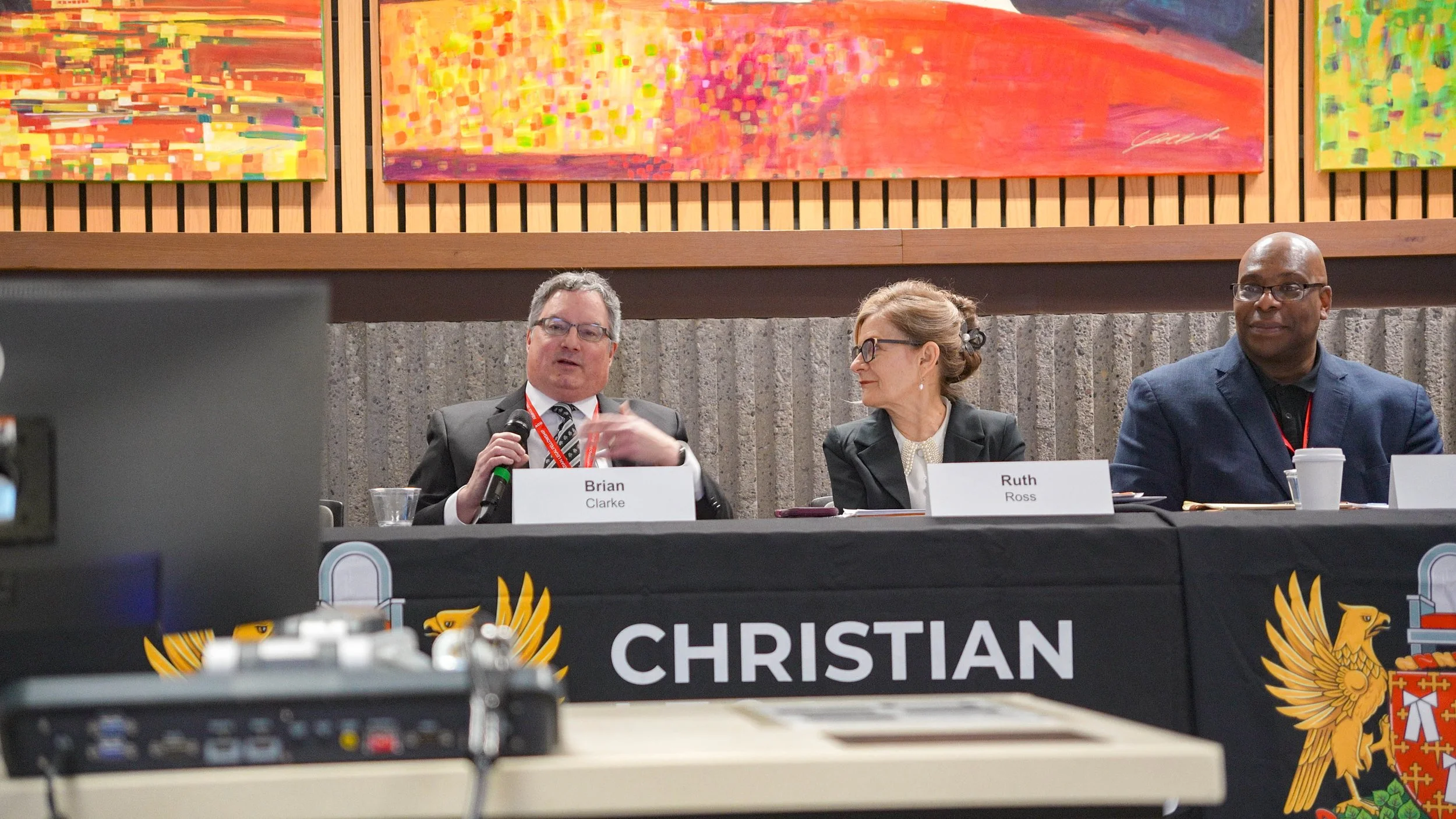

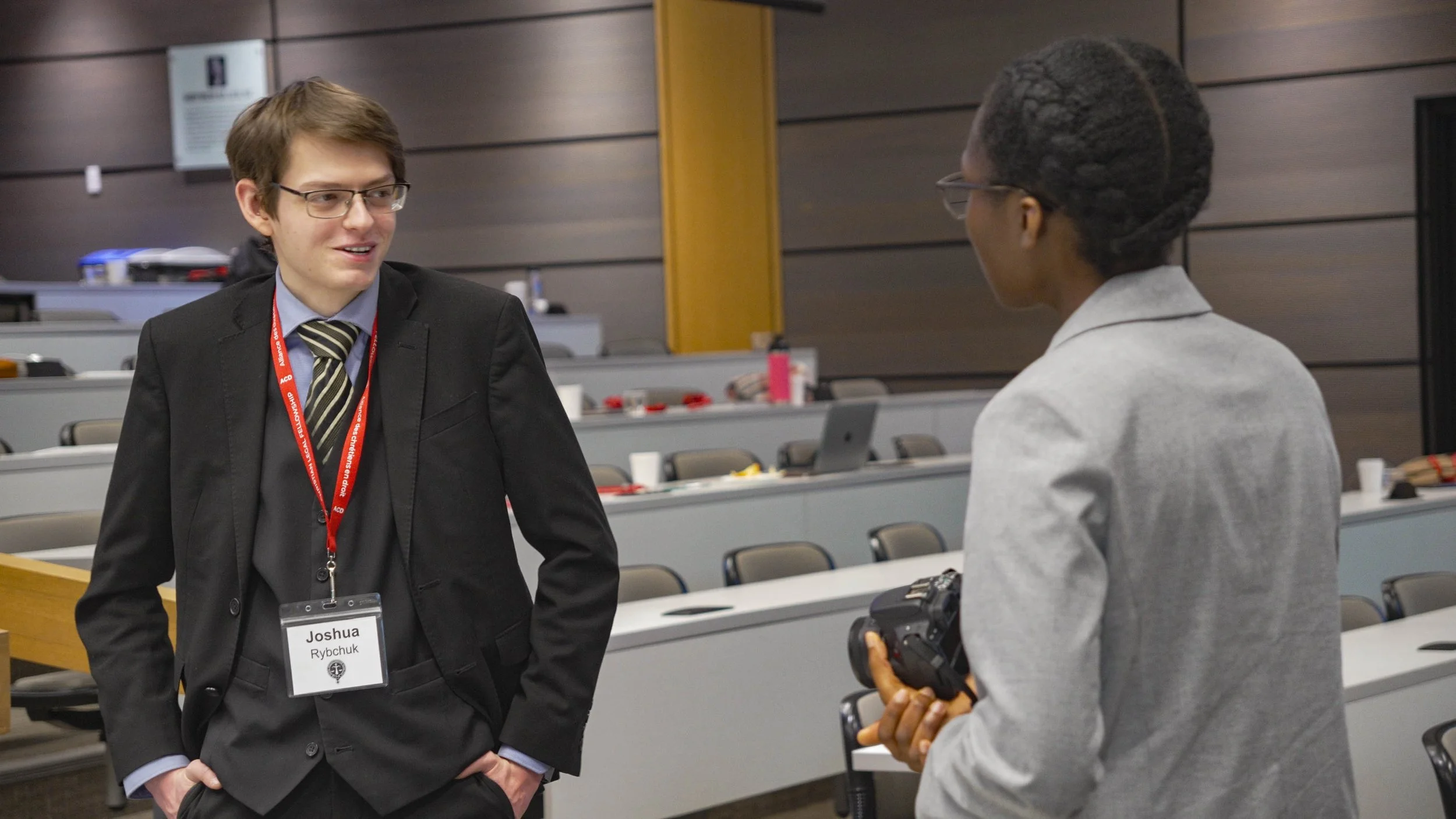
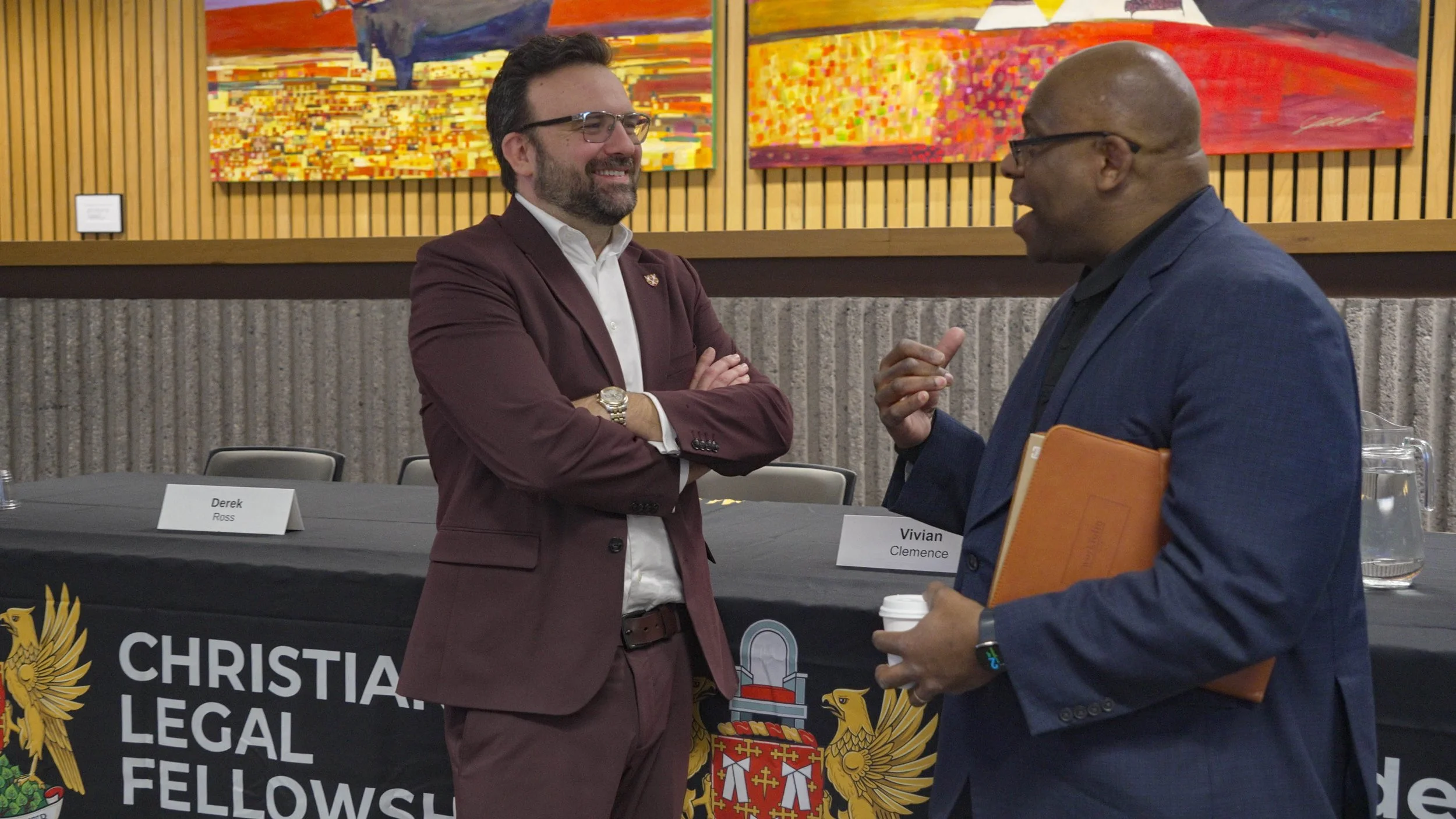
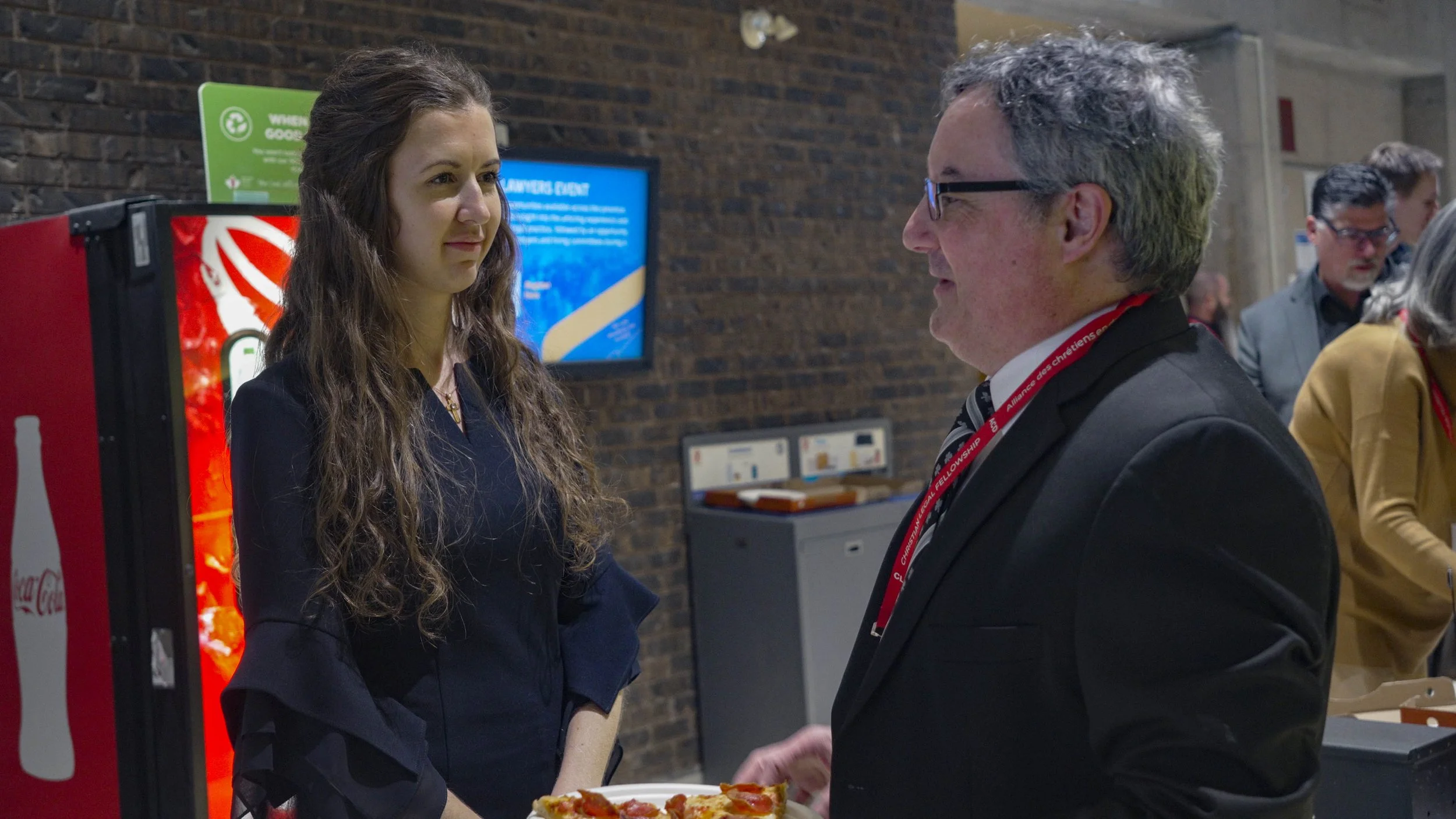
“Lawyers stand at intersections where law meets human vulnerability. Seeing law as ministry reframes daily work. Drafting pleadings, negotiating settlements, and advising clients all become opportunities to serve justice with compassion.”
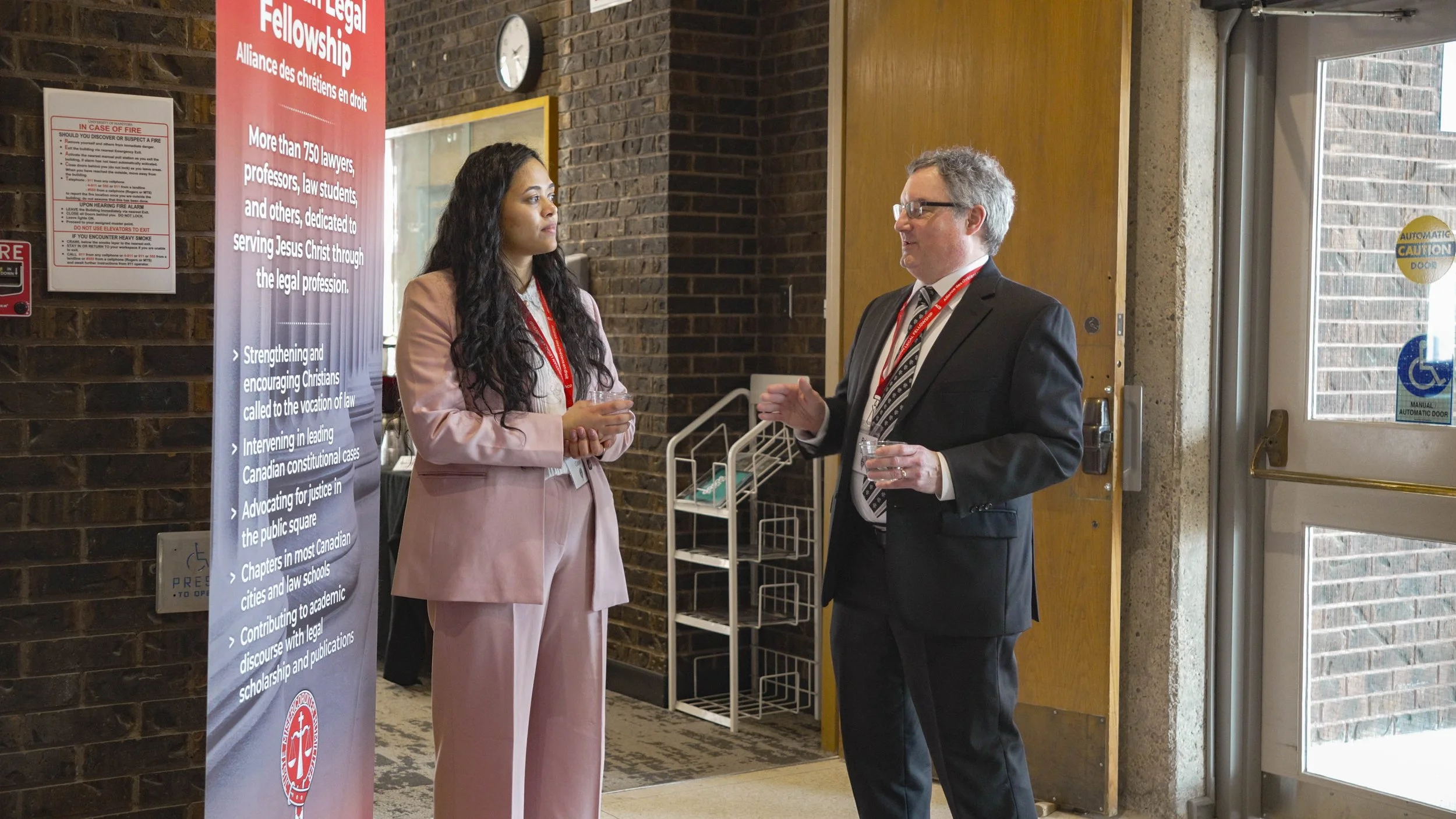
Over the lunch hour, pastors and other leaders of ministry and faith communities were invited to the law school for a substantive session with members of CLF’s legal team (Derek Ross, André Schutten, and Vivian Clemence), which examined contemporary legal developments affecting religious freedom in Canada. Topics included legislative frameworks emphasizing state laicity (secularism), proposals restricting religious expression in certain public contexts, and litigation concerning religious accommodation in healthcare. Attendees were exposed to the legal reasoning underlying these developments, the broader constitutional implications, and CLF’s interventions in these cases.
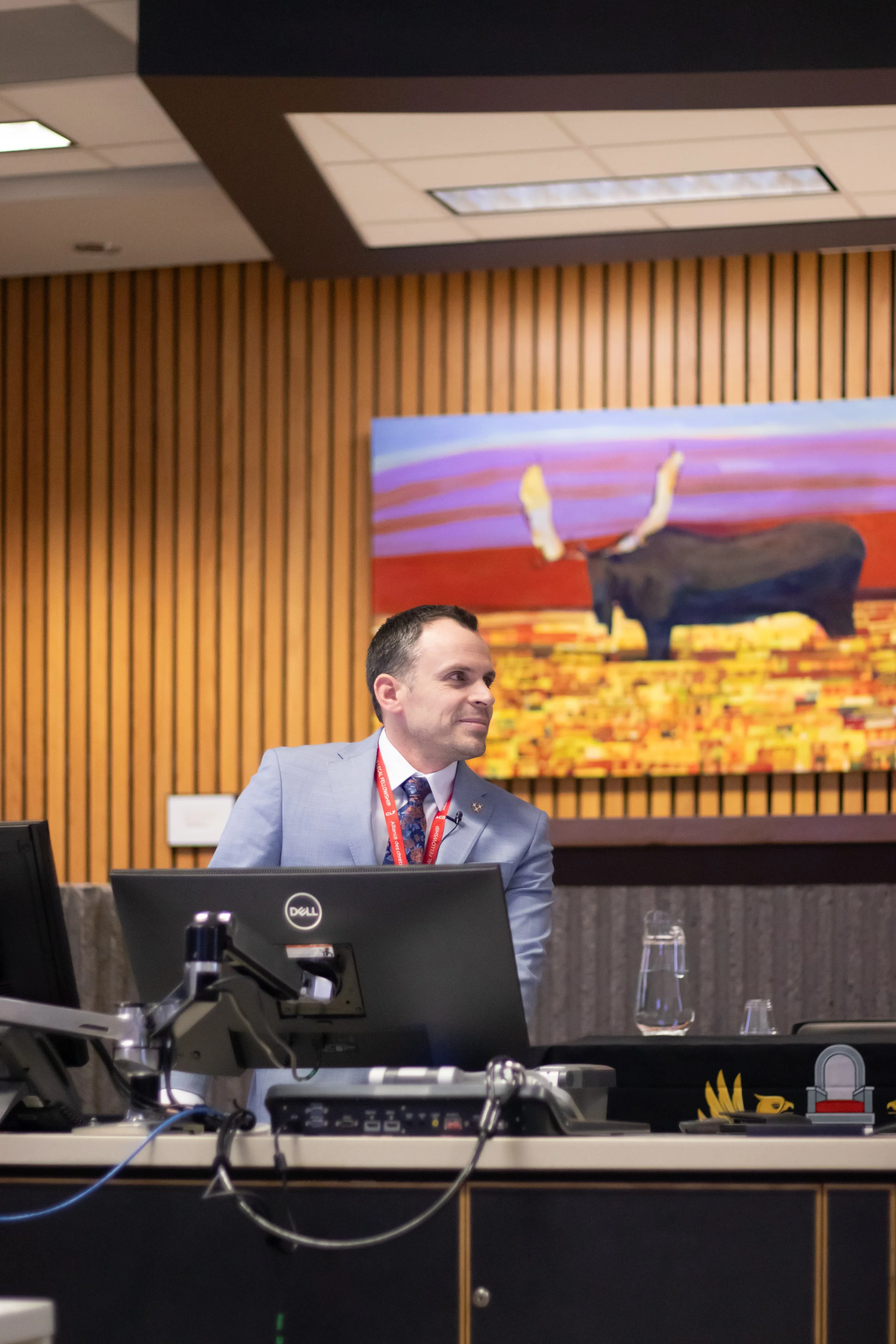
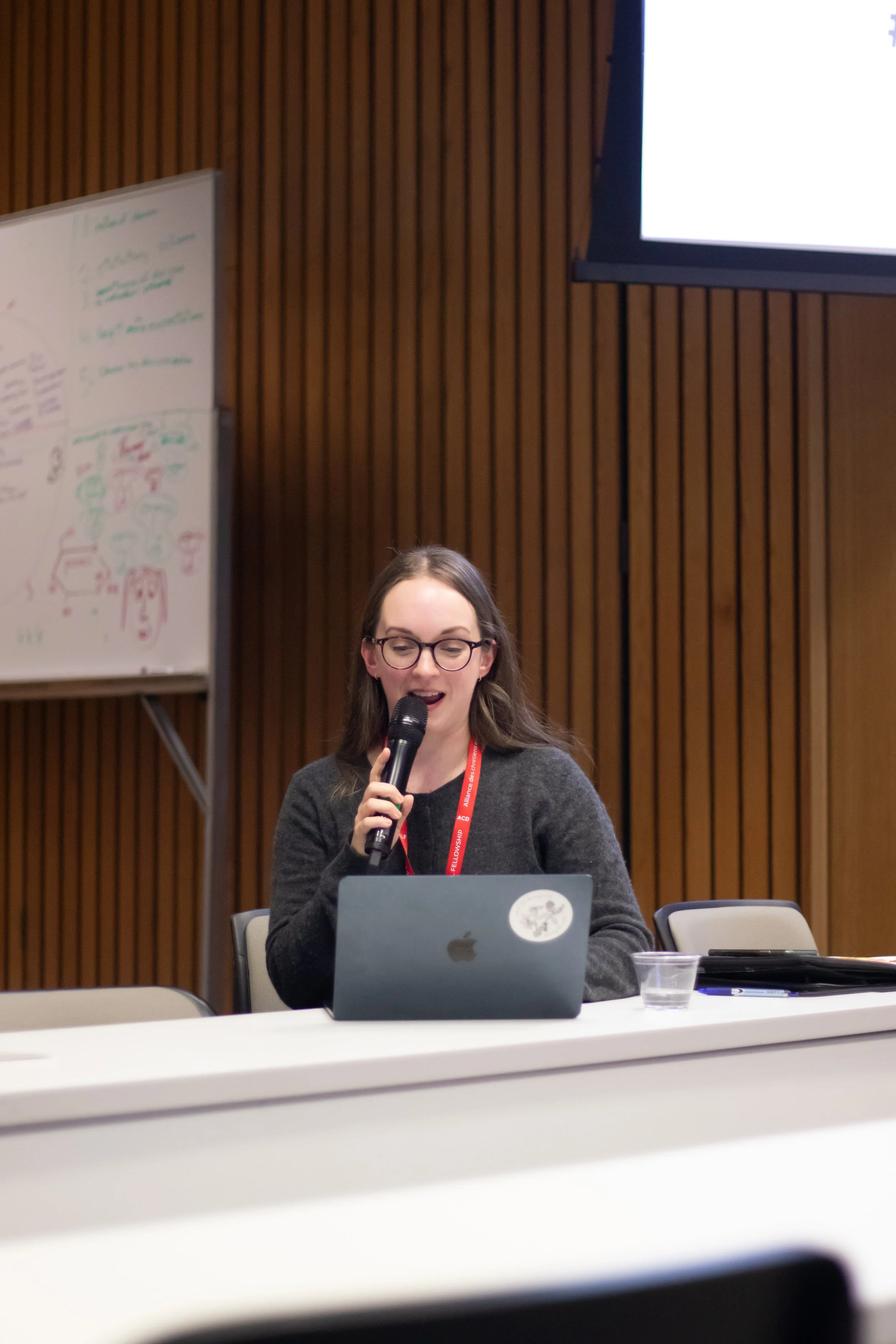
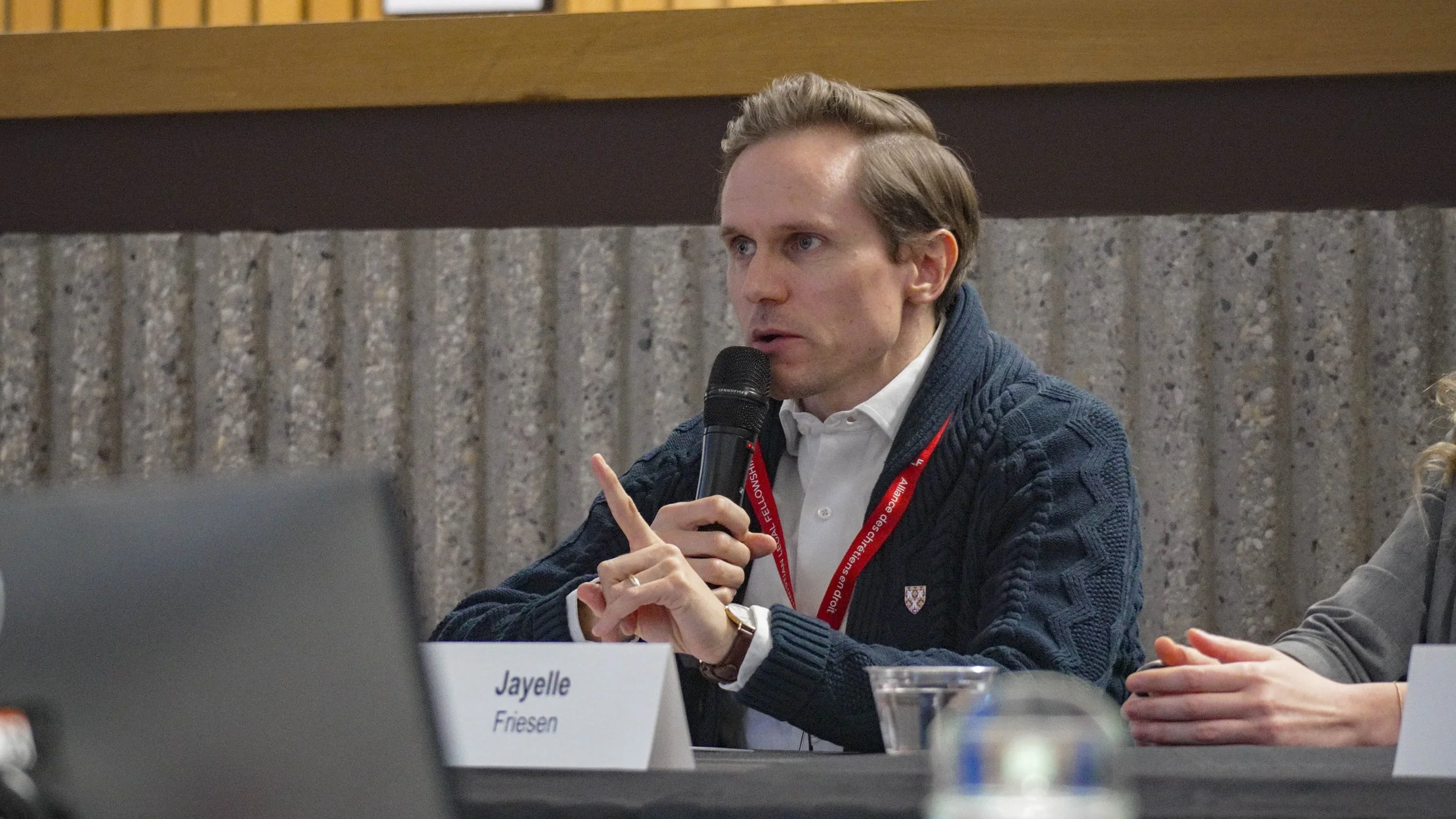
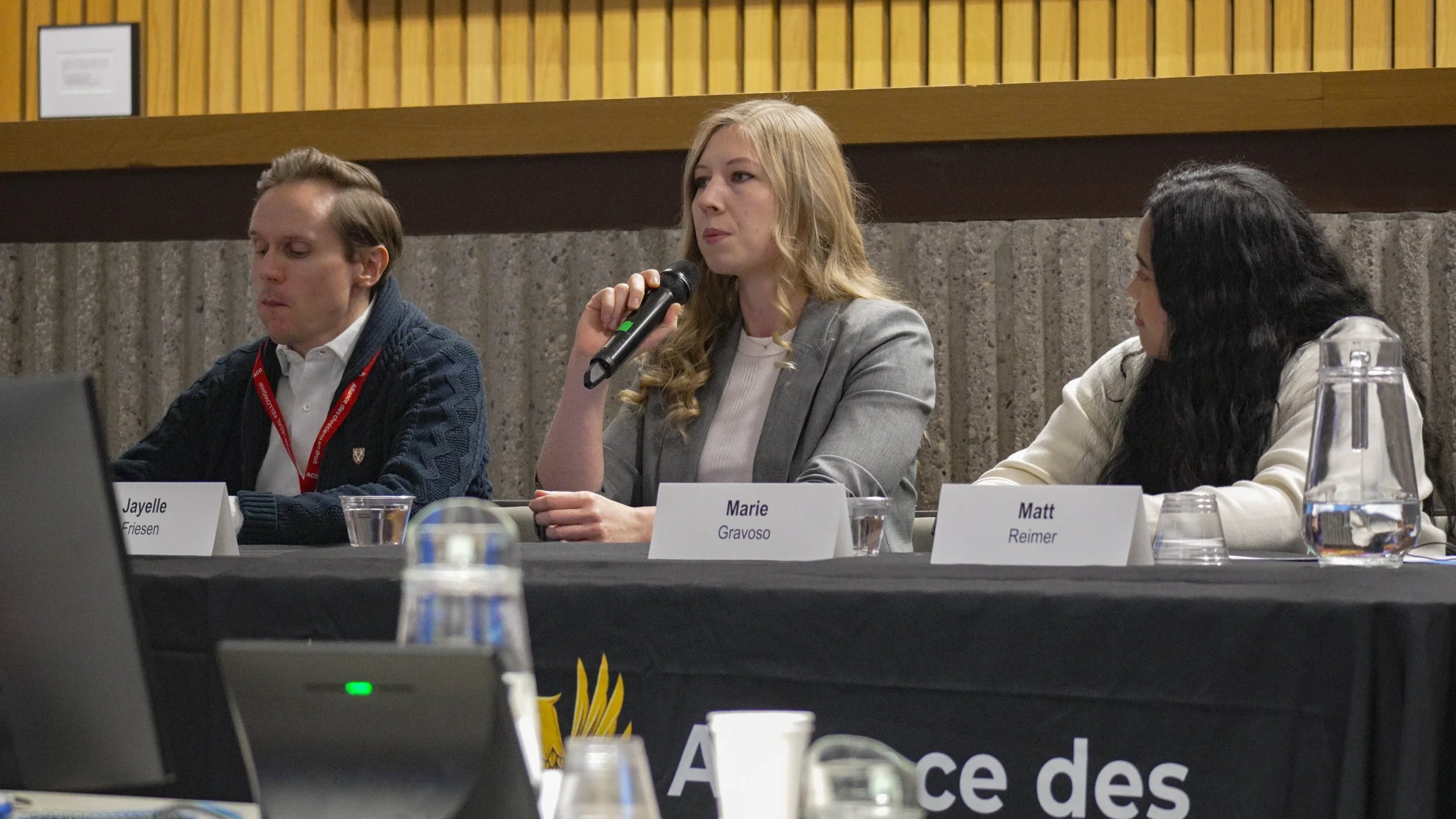
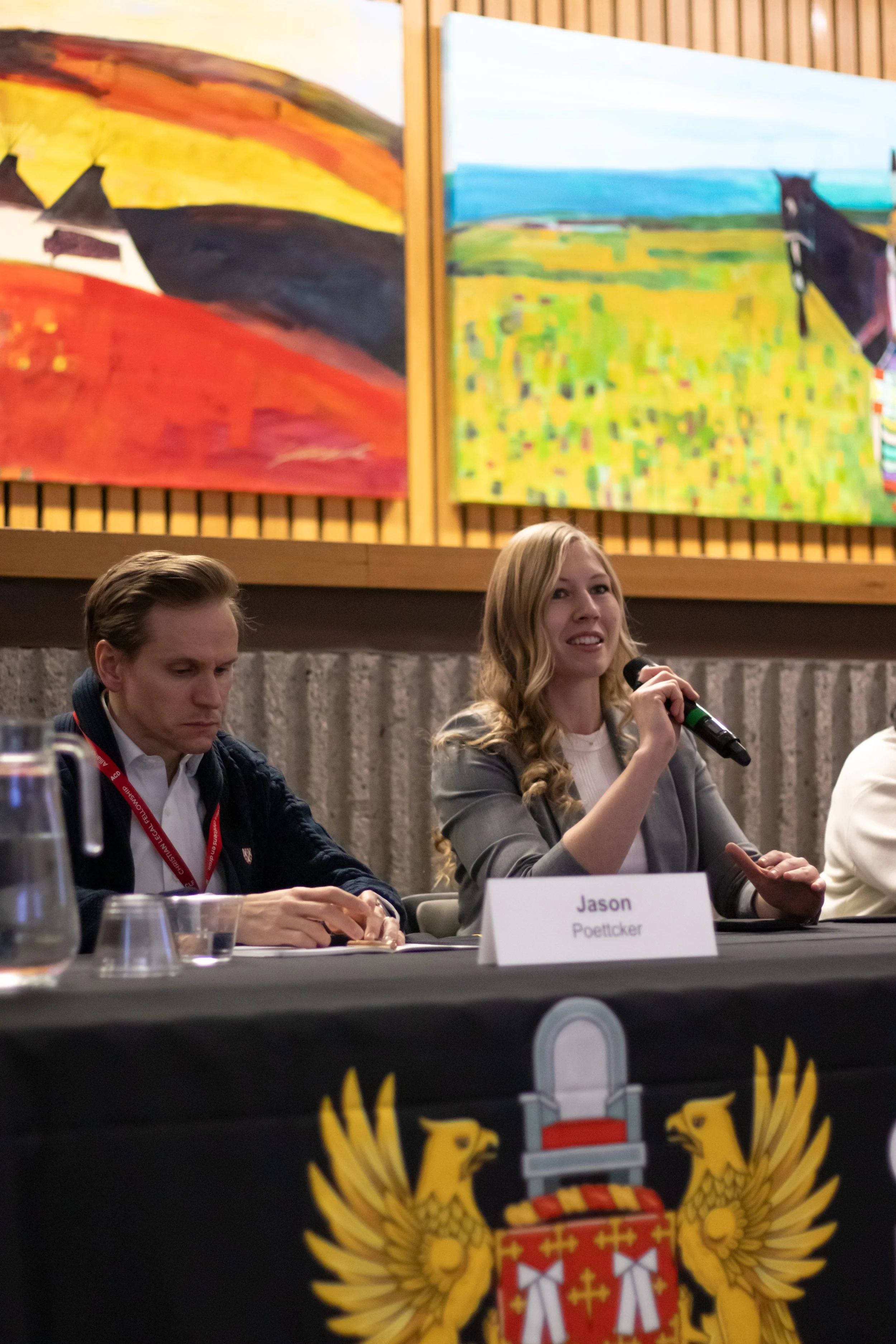
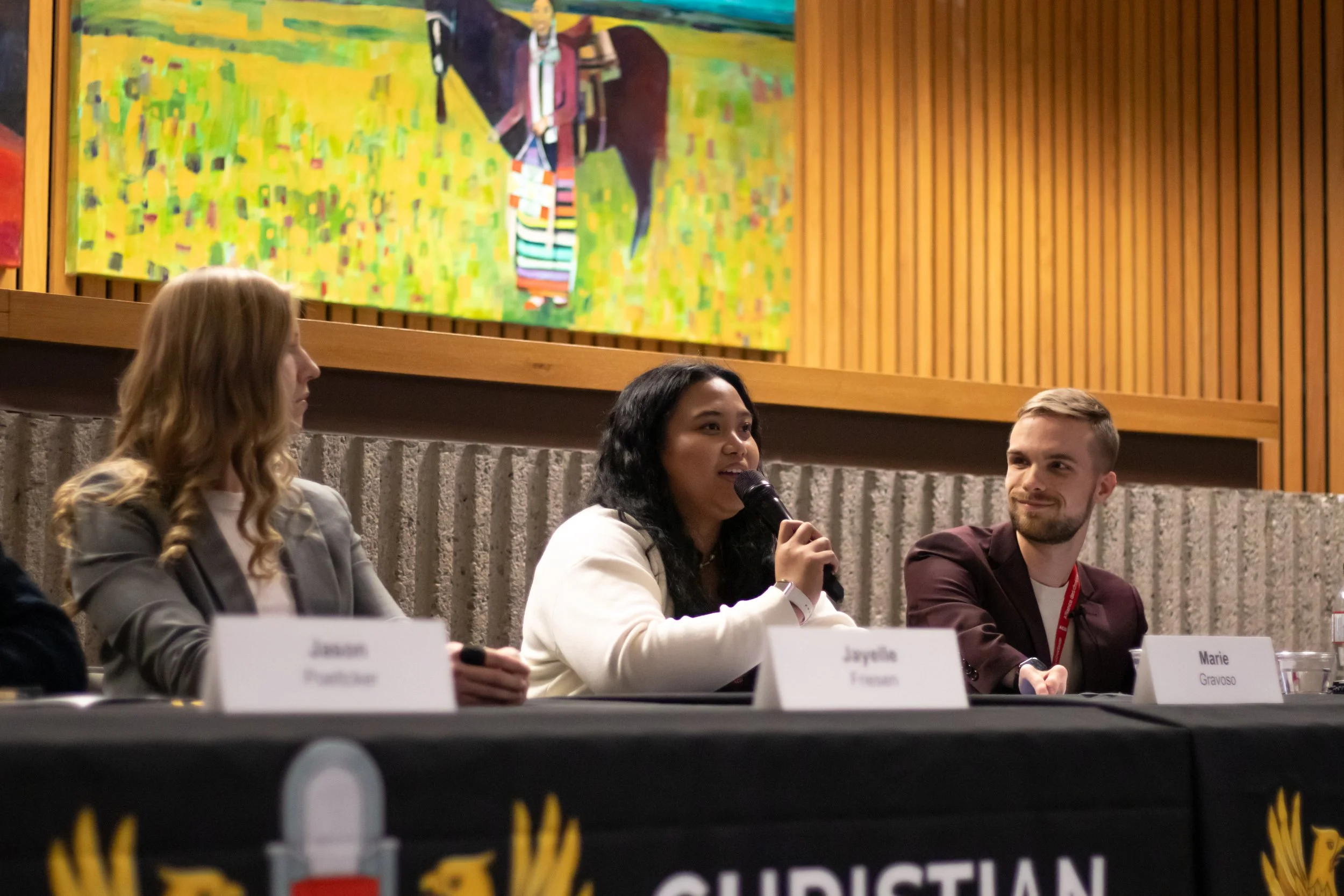
Our Saturday afternoon panel discussion, Junior Lawyering: Tips for Success in Interviews, Articling, and Early Career, featured lawyers in their early legal careers, Jason Poettcker, Jayelle Friesen, and Marie Gravoso (moderated by Matt Reimer). This panel offered wisdom for students about to enter the profession. Articling and early practice involve steep learning curves. Panelists shared how pride and fear can prevent young lawyers from seeking guidance, but they emphasized the importance of asking questions early. Seeking wisdom demonstrates maturity, not weakness.
Comparison was also identified as a pervasive challenge, and it does not end after law school. The assumption that others have greater clarity and competence breeds discouragement. We were reminded that growth is personal and incremental. This session also discussed mental health and burnout, and how anchoring identity in Christ protects against defining oneself solely by billable hours or accolades. Finally, panelists shared practical advice they wished they knew when graduating law school, such as recognizing the business dimensions of law.

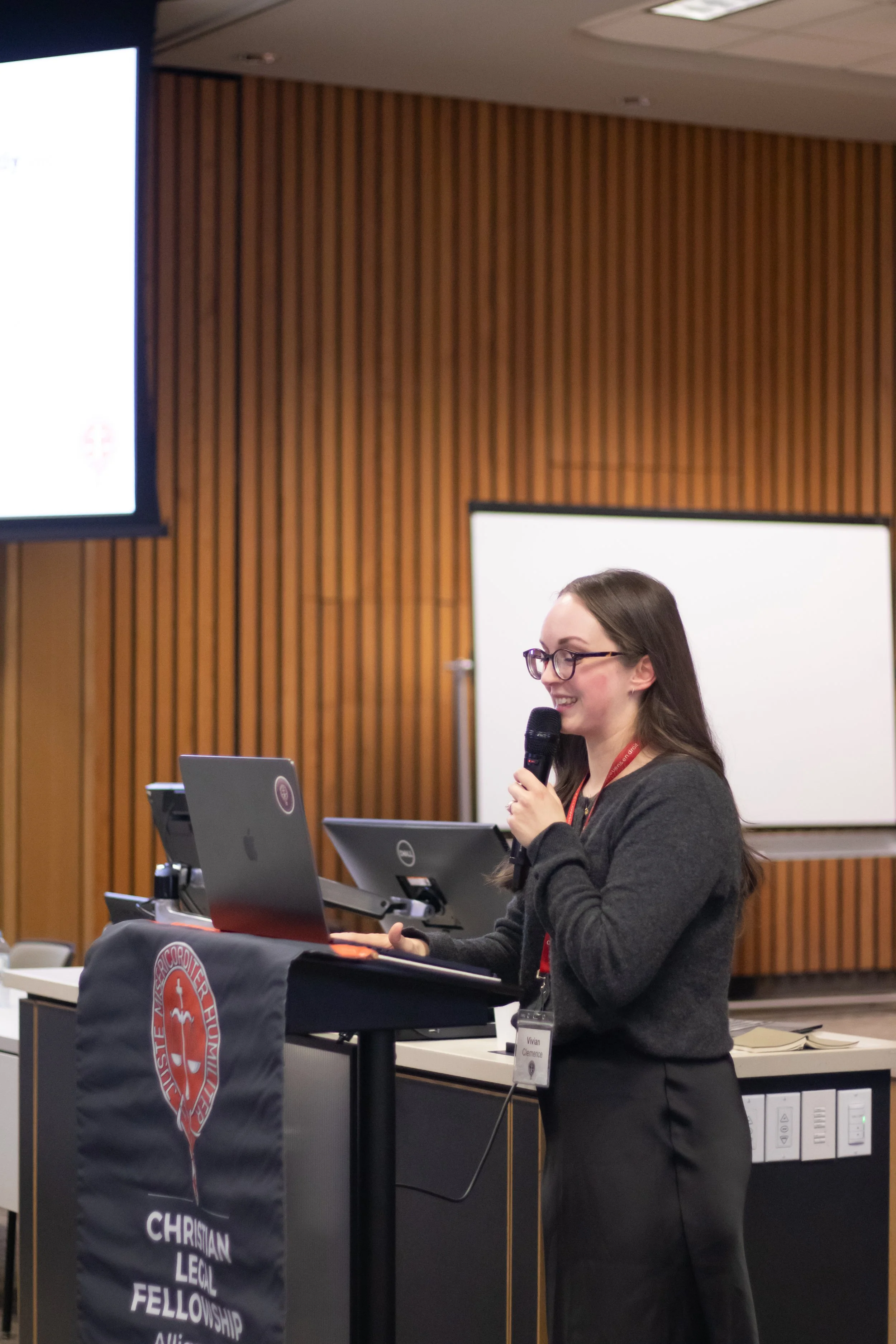
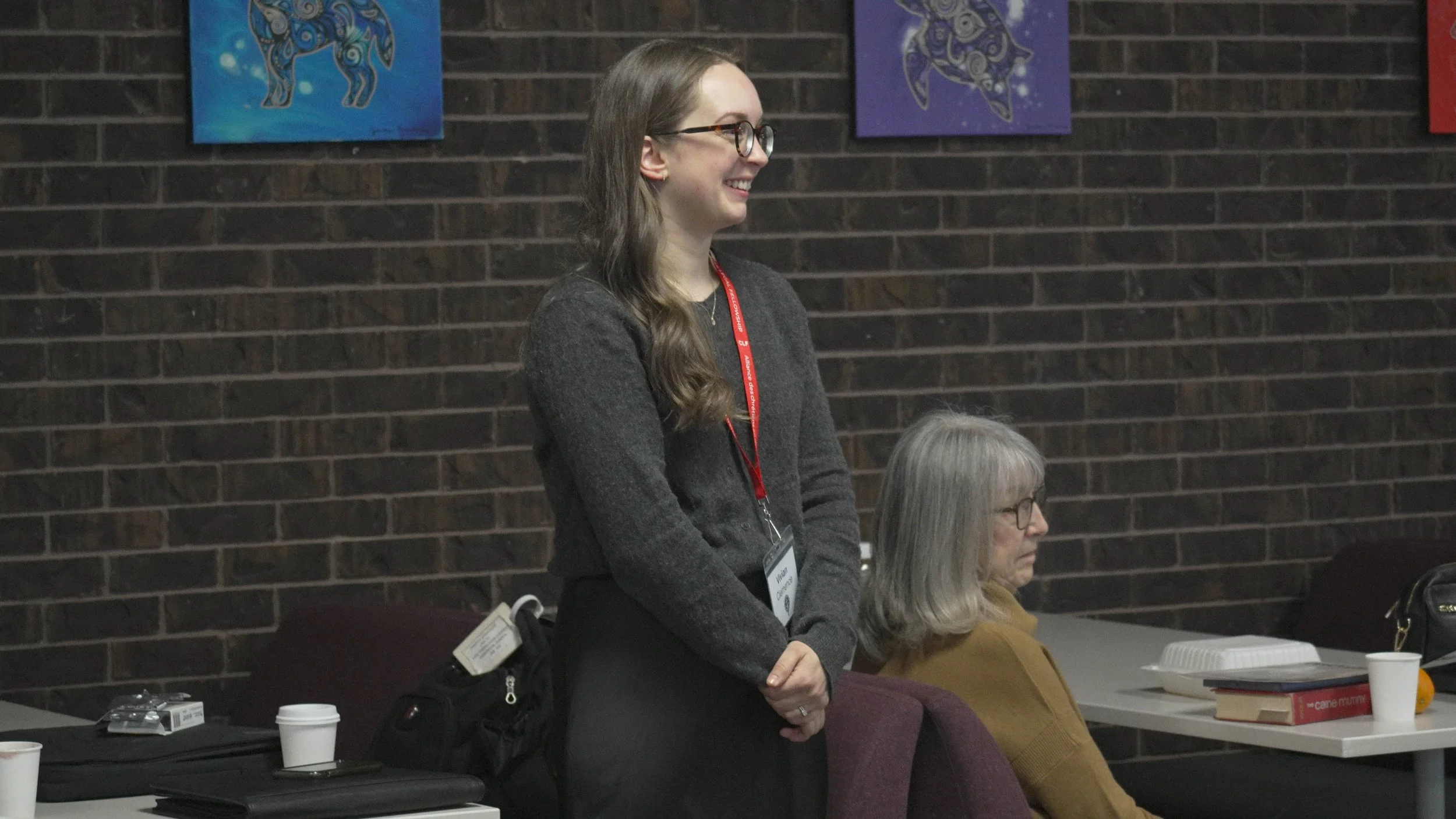
The afternoon concluded with a session on Faith Without Fear: Blessing Your Law School, with CLF’s Student Ministries Coordinator Vivian Clemence. CLF’s student ministry exists to support students seeking to fulfill the calling of Micah 6:8 to “act justly, love mercy, and walk humbly with God.” Students were encouraged to anchor themselves in Christ and to maintain Christian fellowship, in order to grow in a desire to know and reflect Christ’s love in their service of others. Through CLF, we can both give and receive spiritual and professional support throughout our legal careers. In turn, by God’s grace, we can bring blessing to those around us through care and service. Students were encouraged through testimonials to nurture a place of belonging and of peace, hope, purpose and joy in Christ within their law schools – and to carry this into their careers.
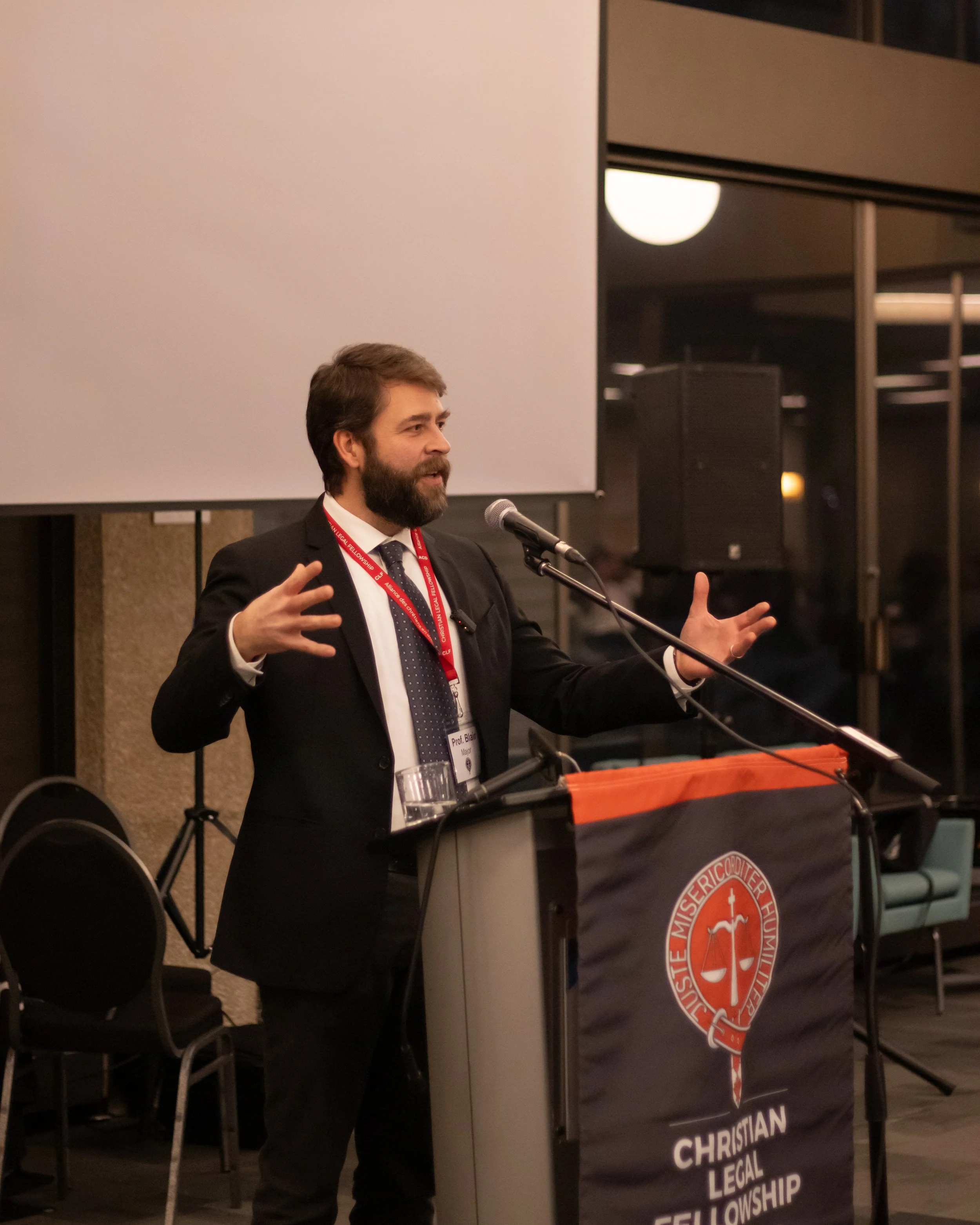
Following these substantive sessions, we proceeded to the celebratory banquet on Saturday evening, which took place at the University of Manitoba’s Marshall McLuhan Hall. The banquet keynote by Professor Blair Major (Thompson Rivers University Faculty of Law), titled Having Eyes to See, invited students to cultivate spiritual attentiveness. Calling is not always immediately apparent. The big questions, “Why am I here? What is my purpose?” cannot be answered through achievement alone. A life of following Christ is not a linear process of searching and finding. Discernment requires patience, prayer, and perseverance. Prof. Major emphasized that “seeing” what God is doing often involves stepping back from noise and comparison. Vision emerges through surrender and trust, and a pursuit of what is unseen. When we embody in ourselves the same love that was embodied in Jesus Christ, we join in God’s ministry of reconciliation.
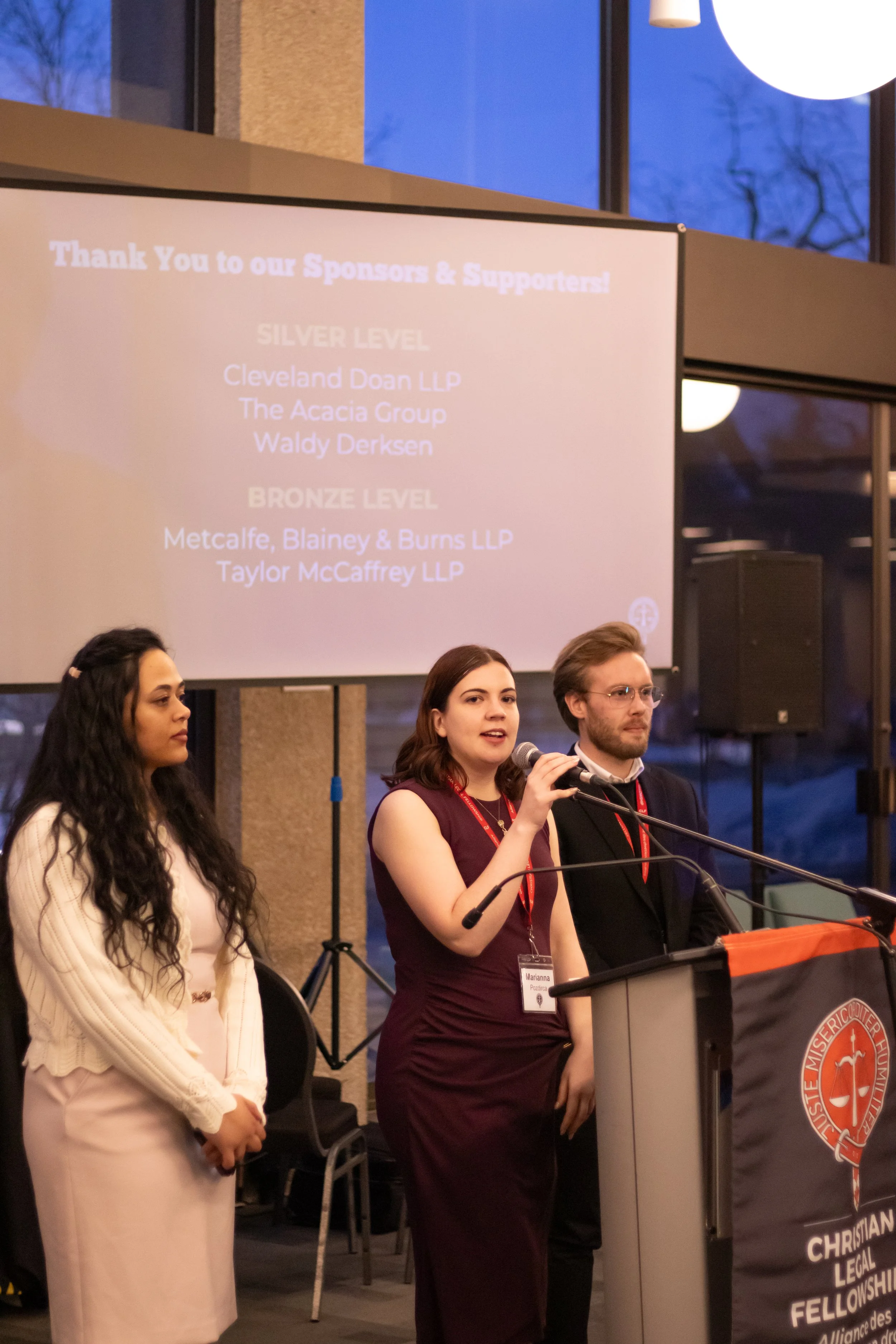

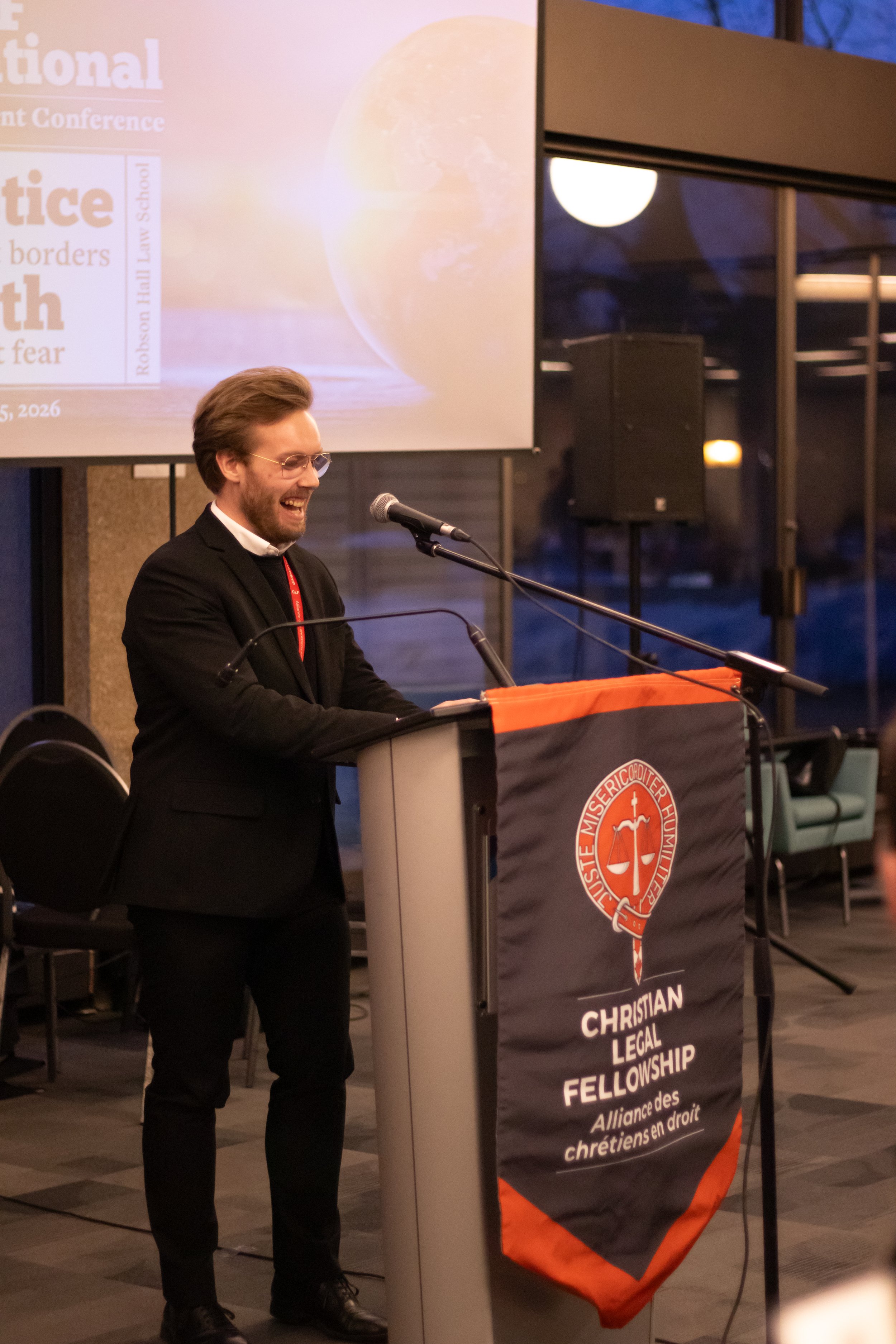
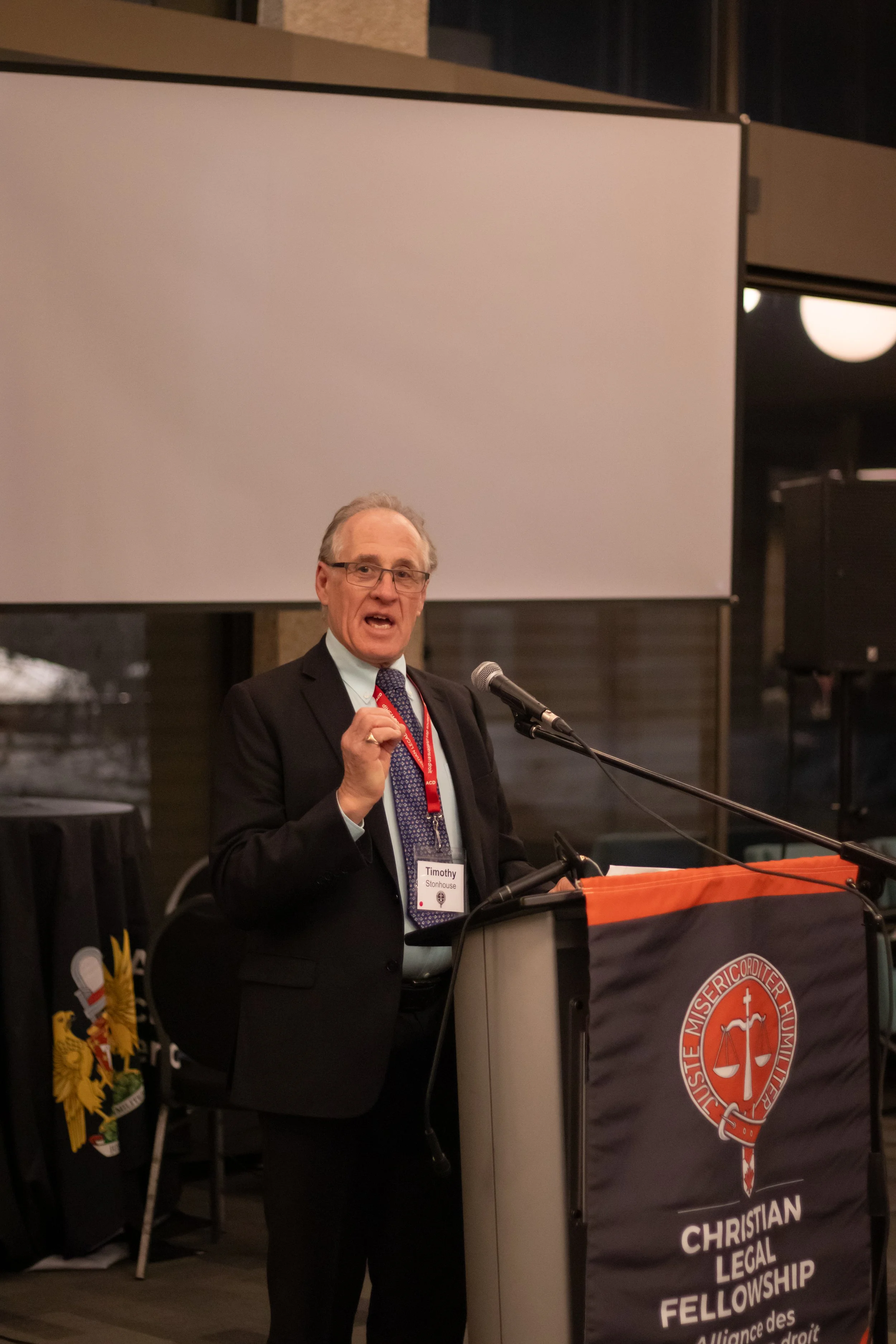
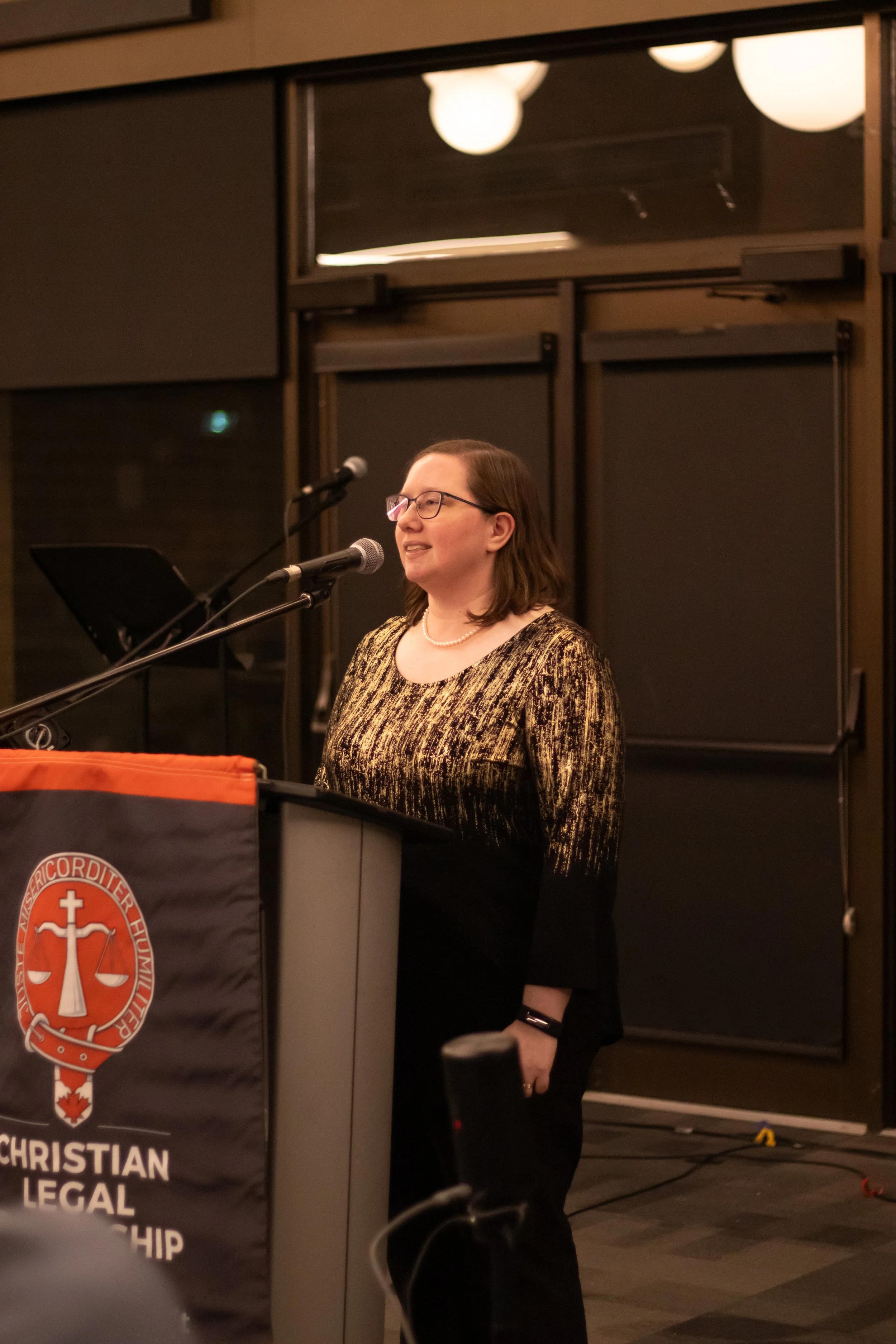
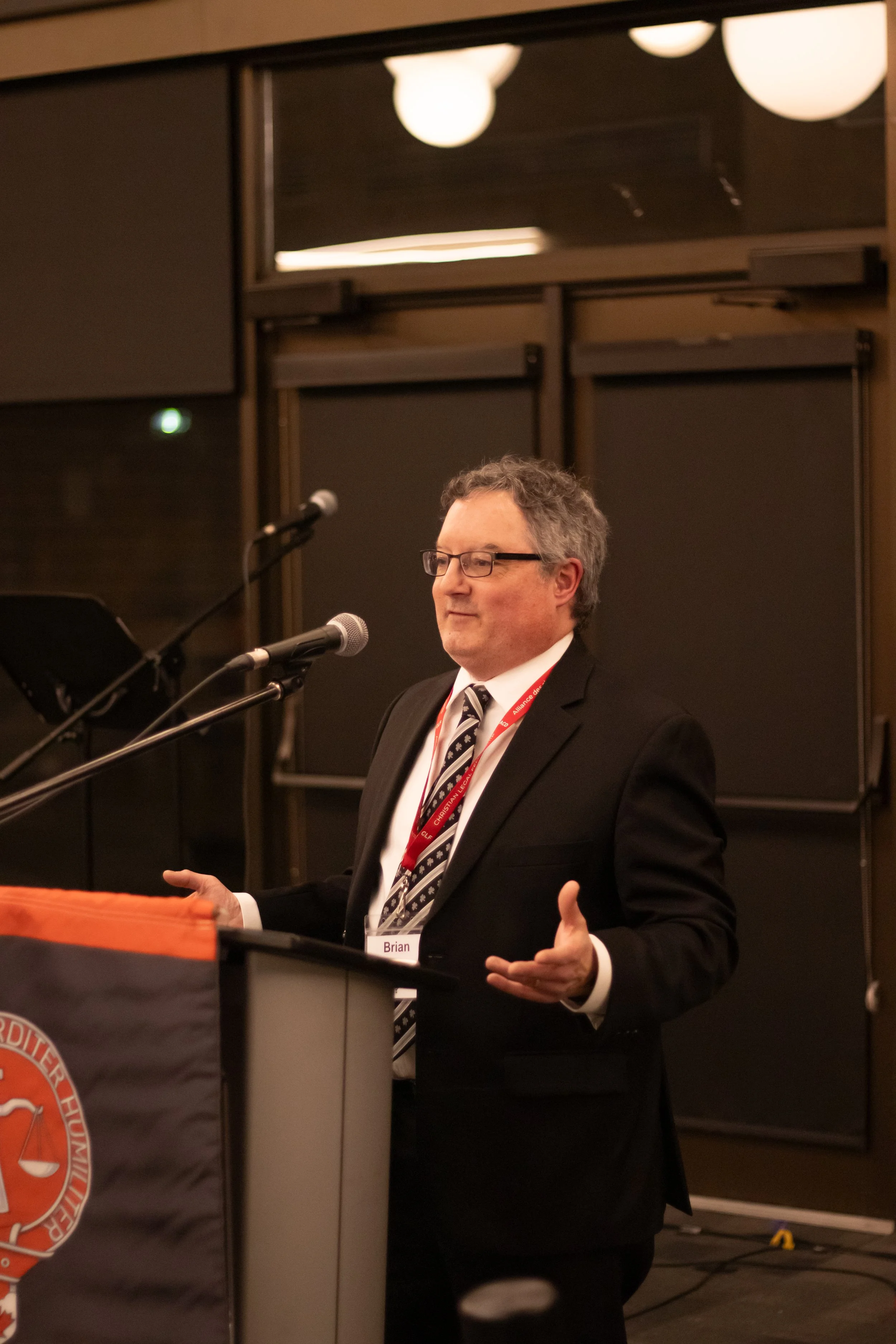
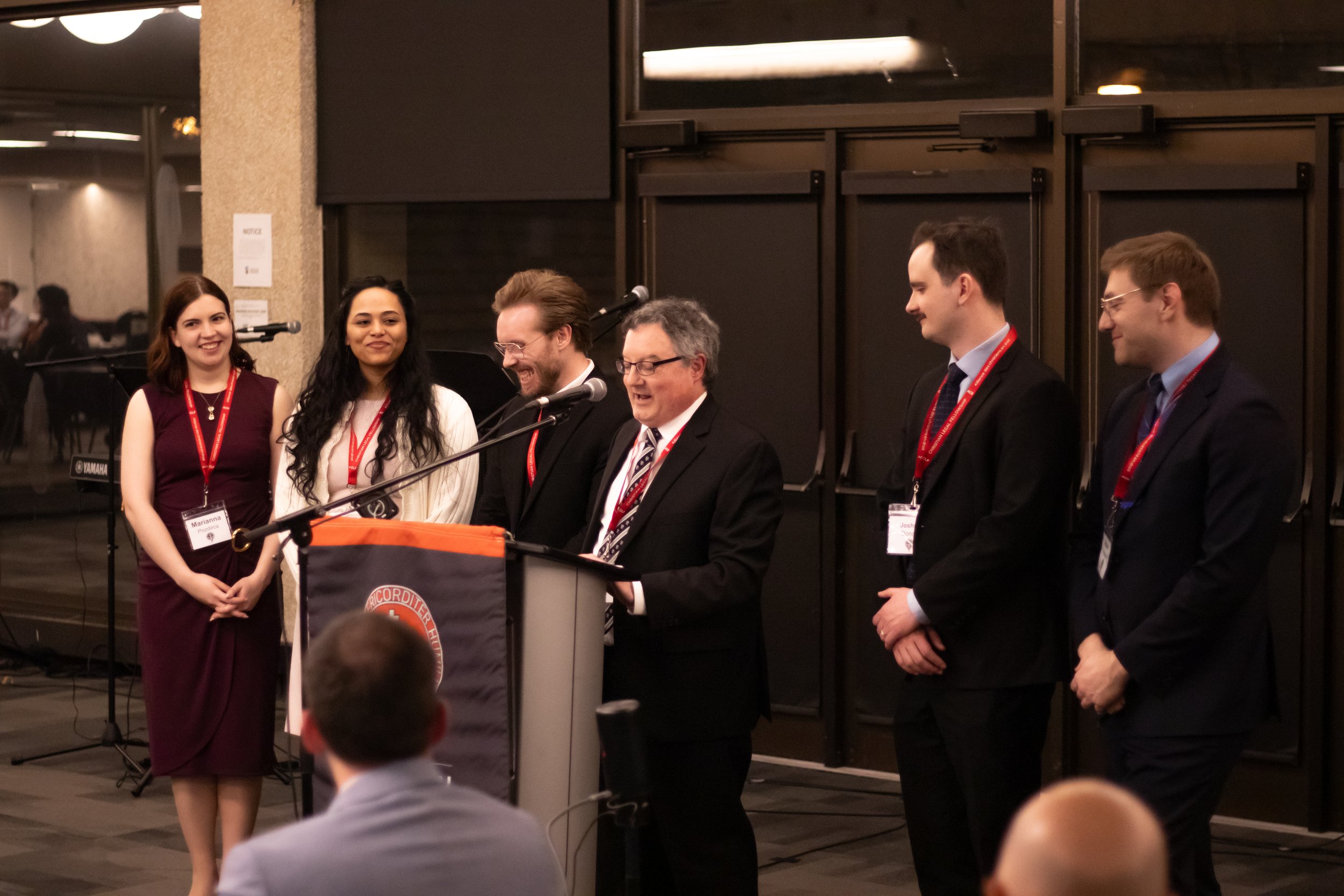
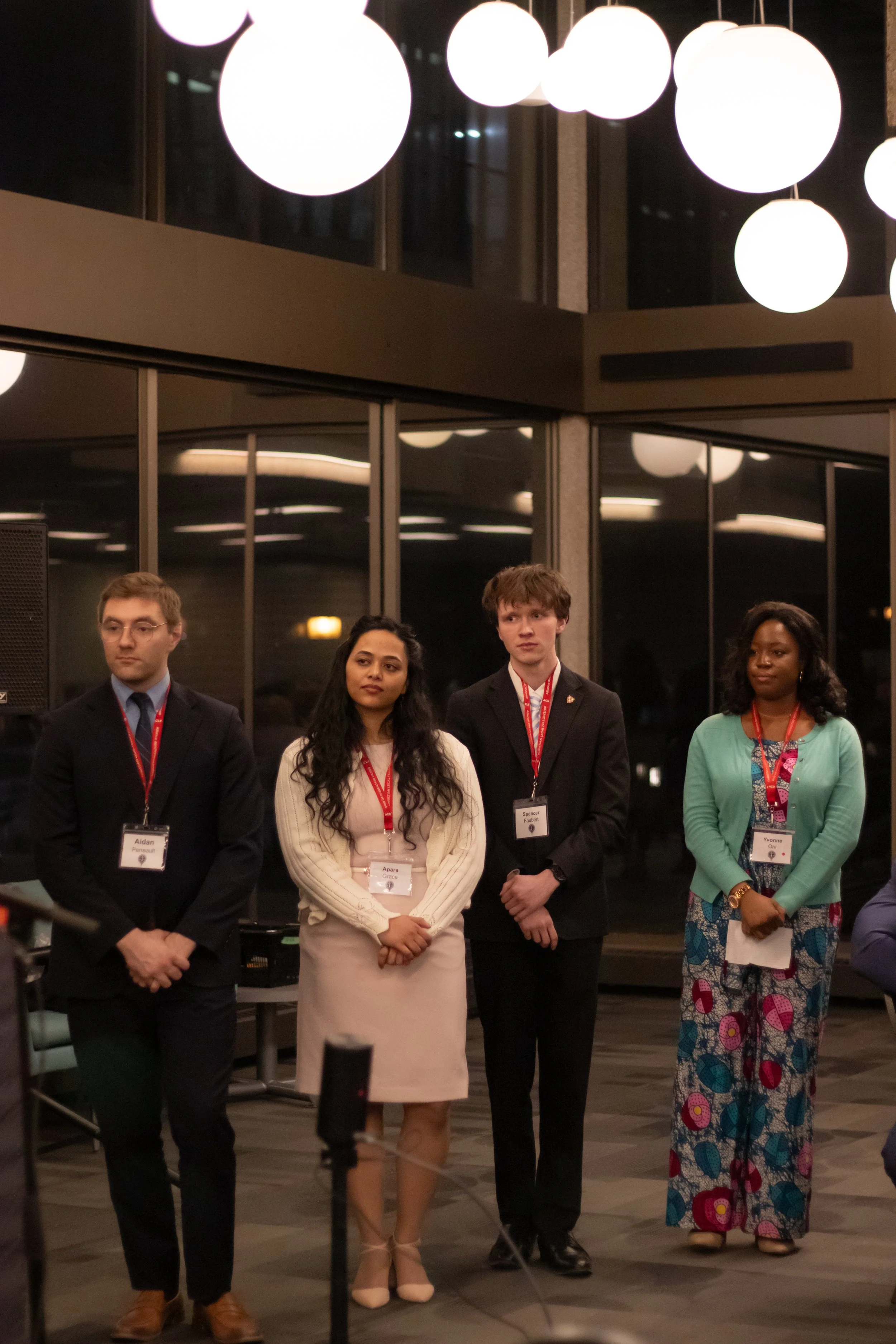
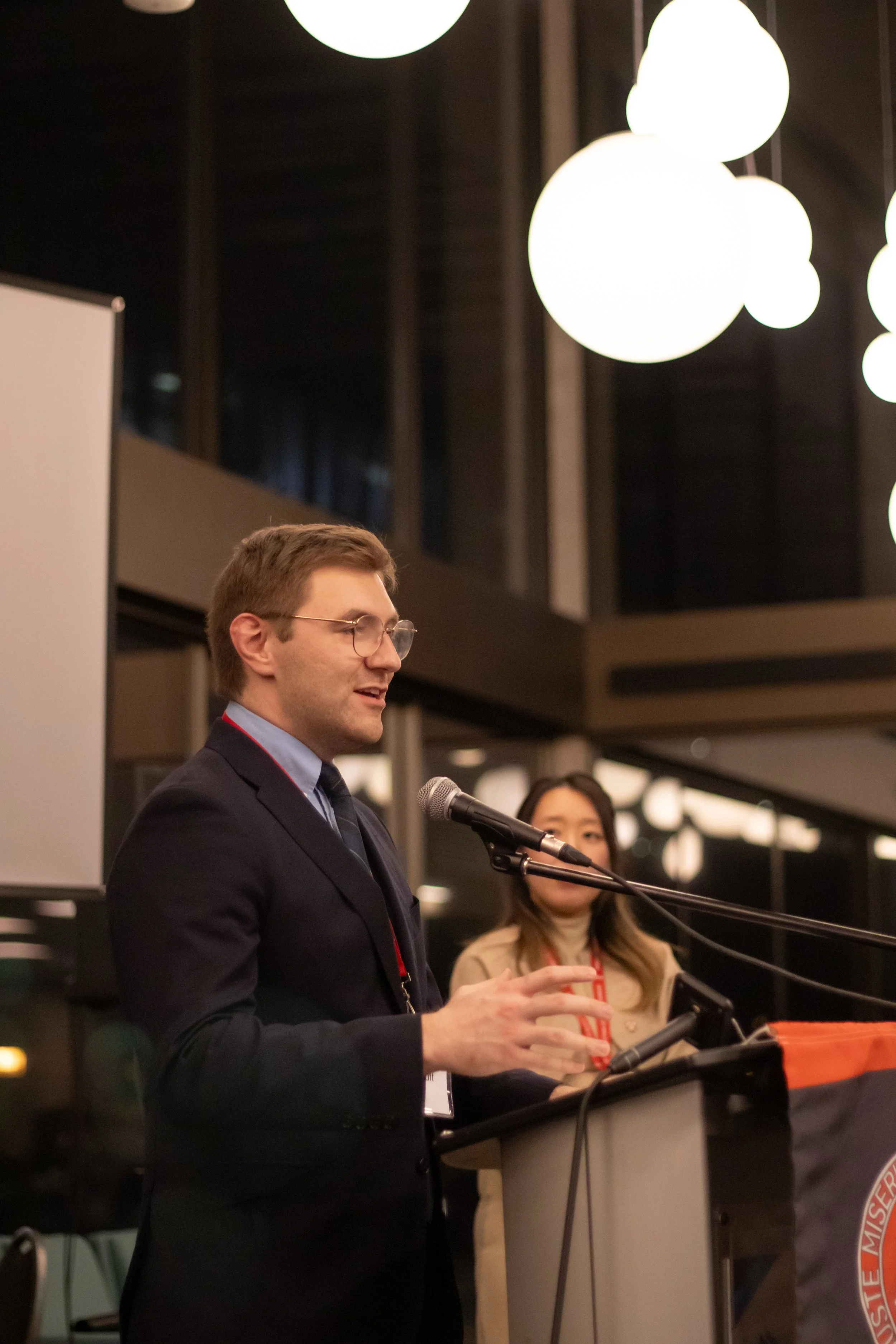
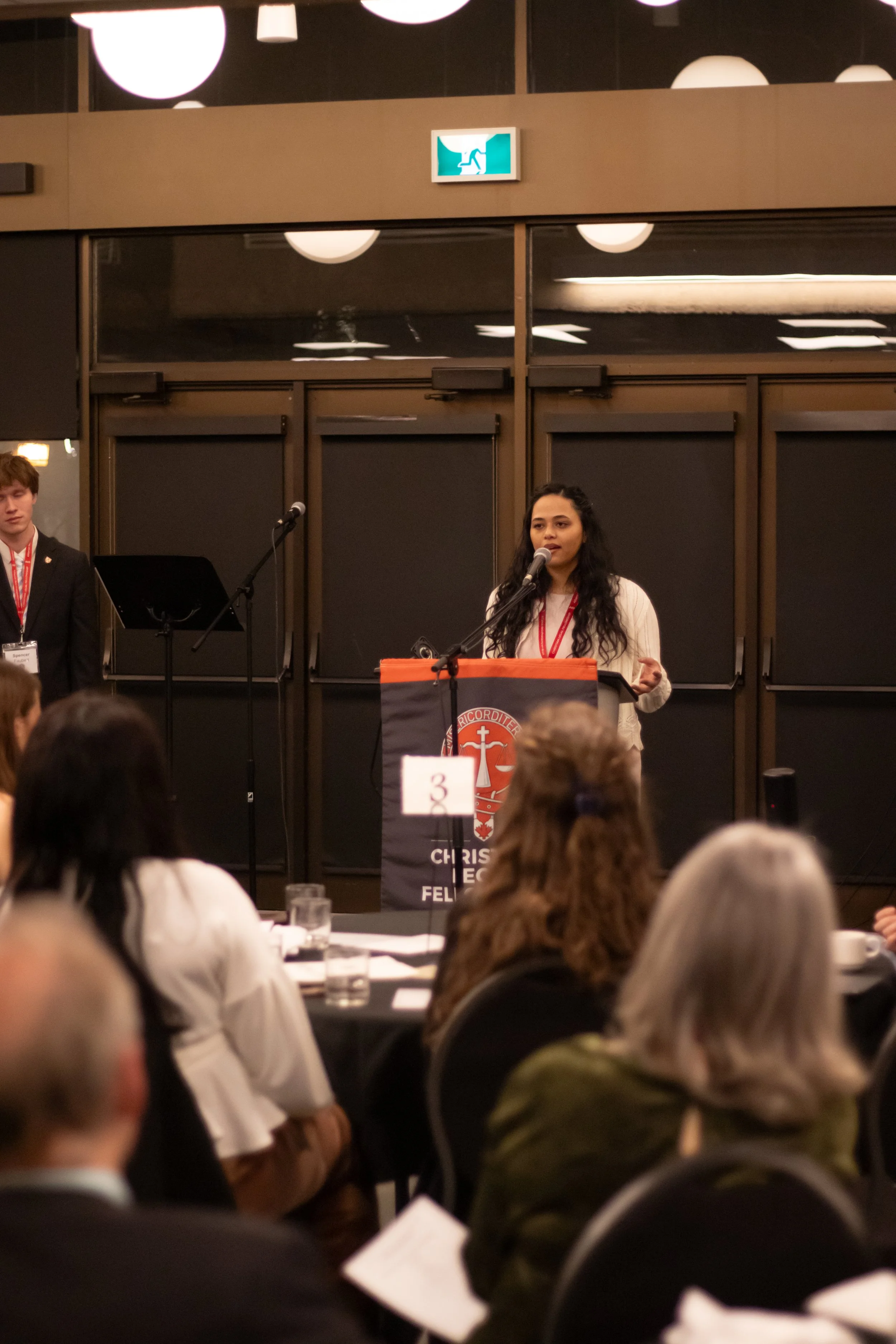
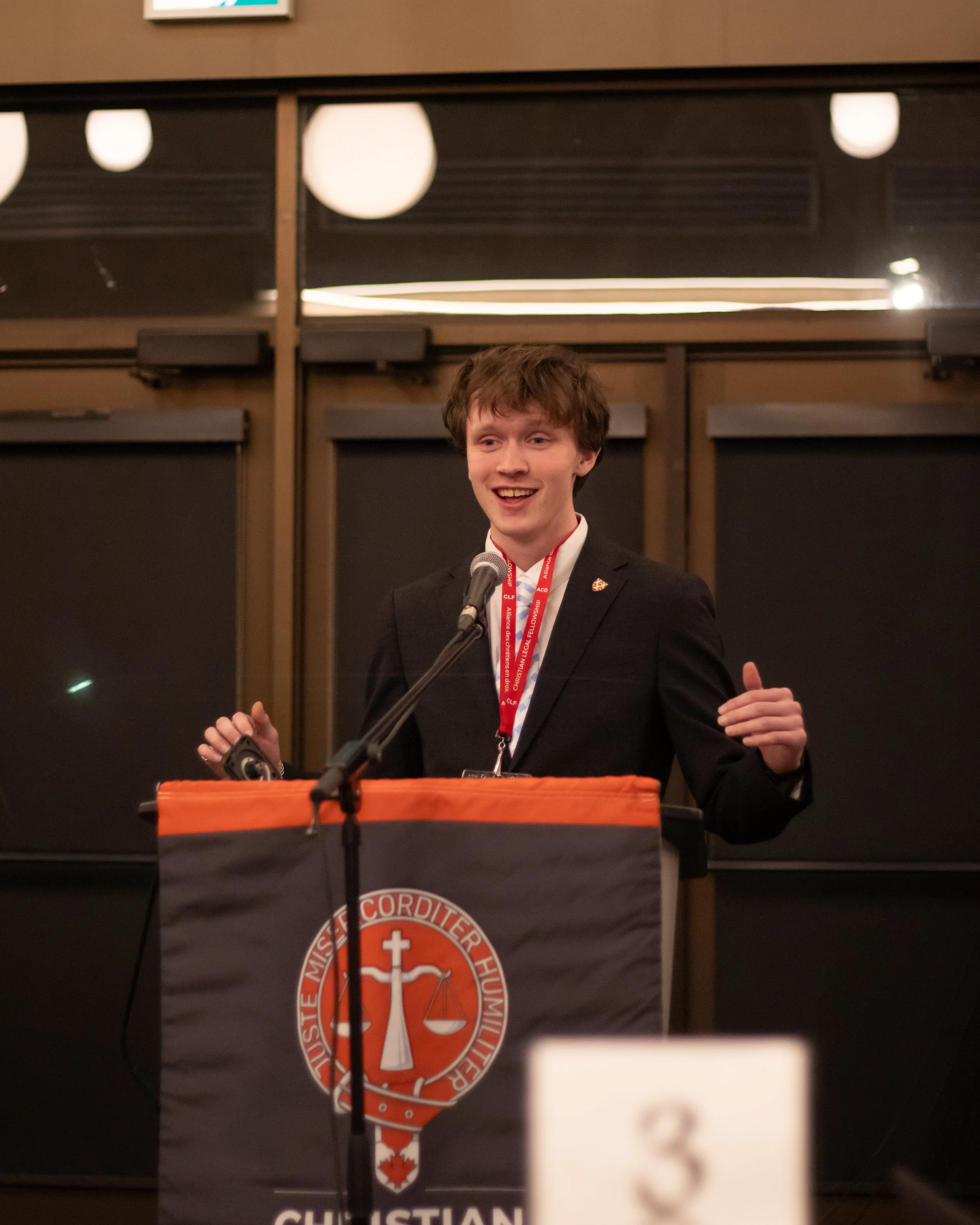
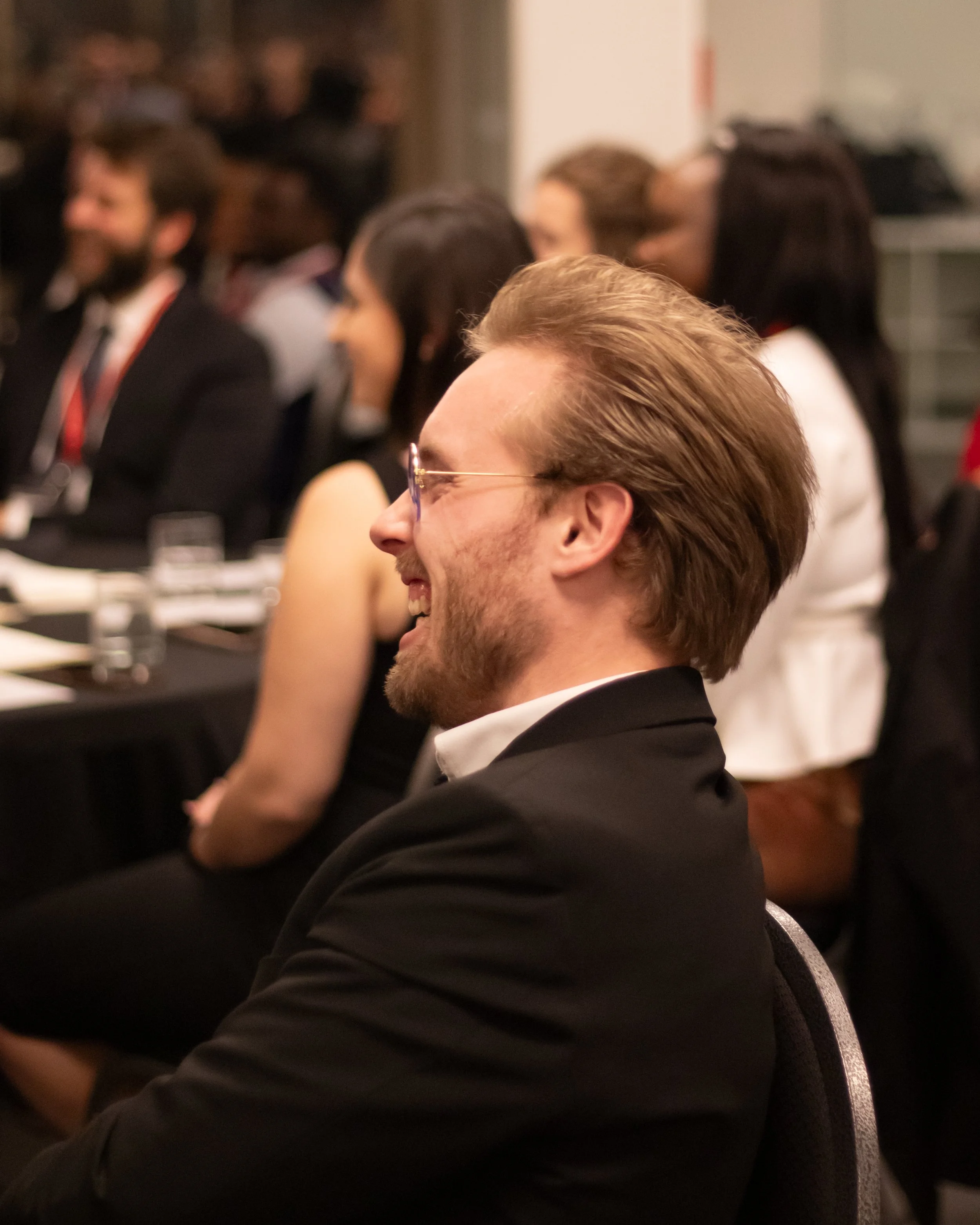


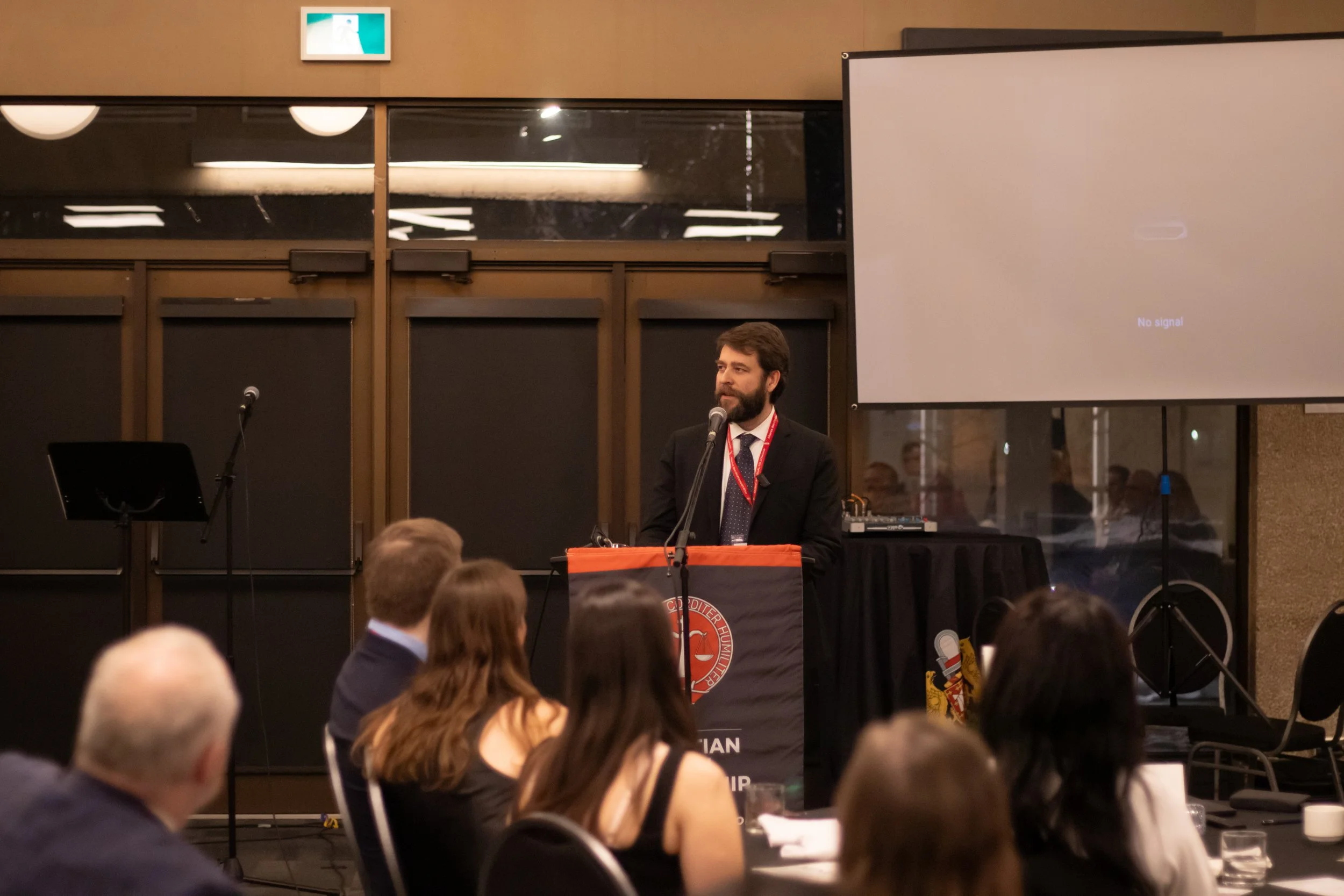

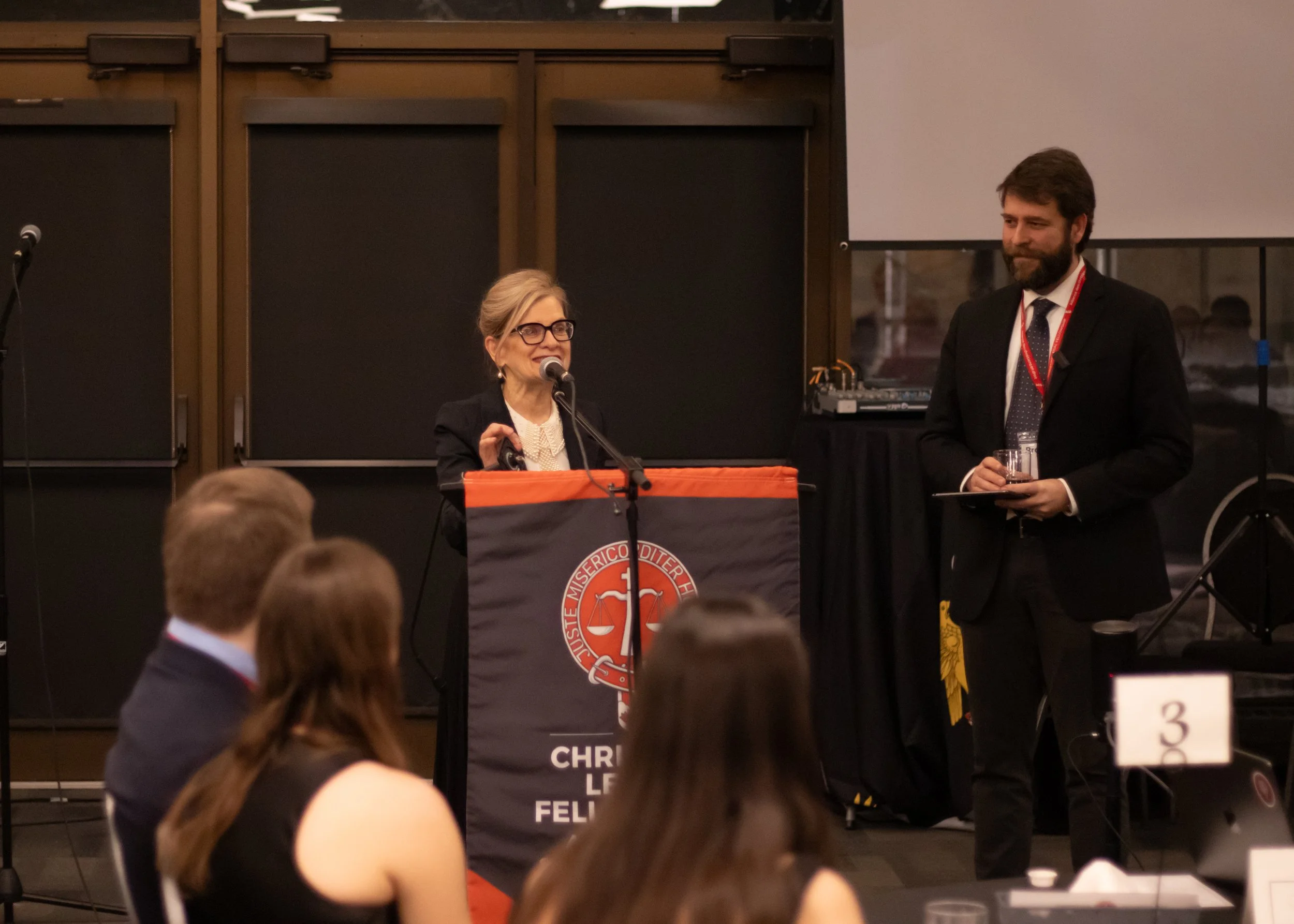

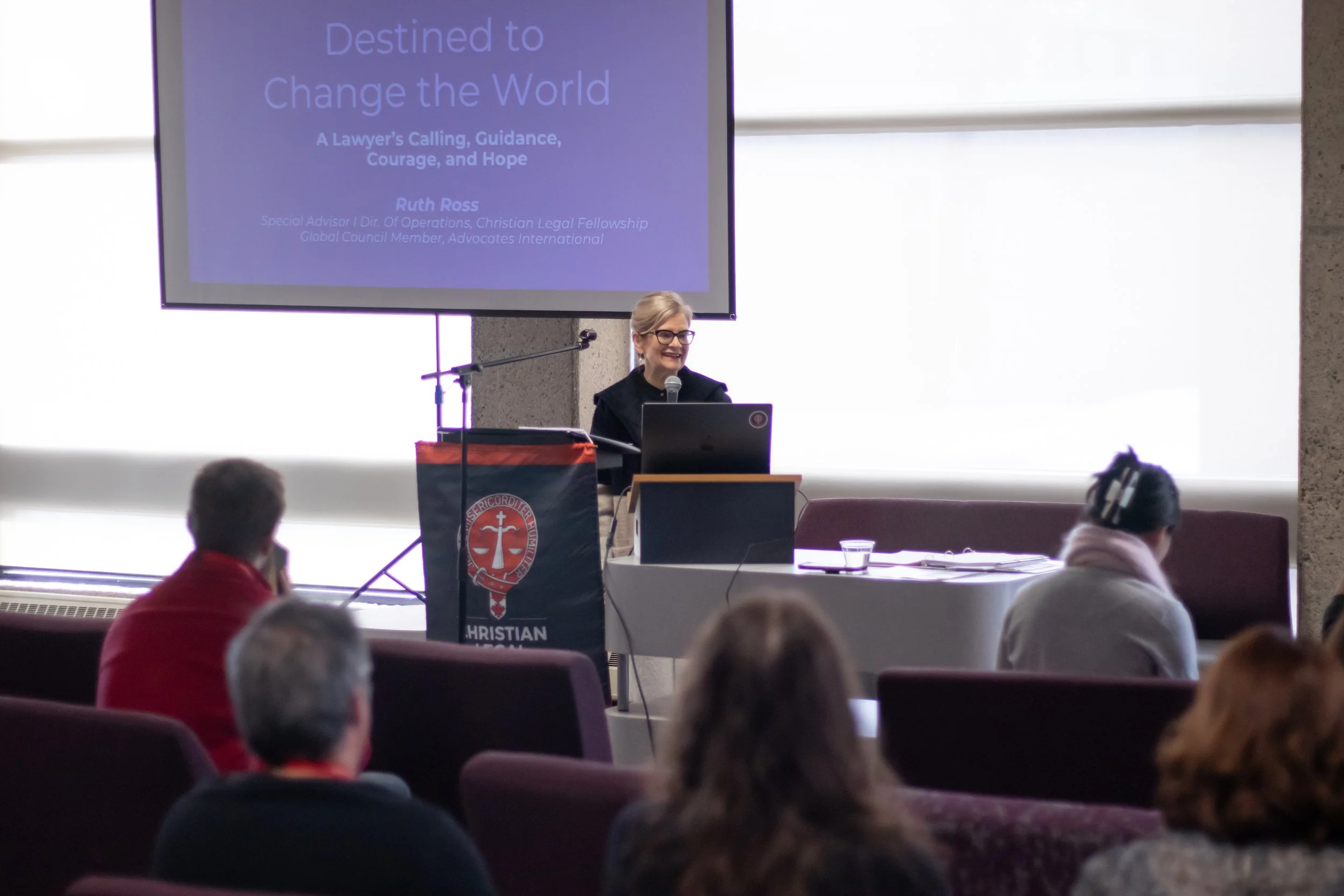
Sunday morning started out with a worship service and message from CLF Special Advisor and Director of Operations Ruth Ross, entitled, Destined to Change the World: A Lawyer’s Calling, Guidance, Courage, and Hope. This message drew from Ephesians 4:1, and the words, “live worthy of the calling”. Ruth highlighted that the operative term here is “live”, not “achieve”. This is a call to character rather than performance. The message addressed common forms of self-disqualification, such as feelings of inadequacy, fear of failure, and perceived lack of readiness. Ruth shared Biblical examples to illustrate that God’s calling rests on His presence, not human perfection. This message also offered us practical guidance for discernment – an area many students struggle with – as we ask ourselves, “Which area of law should I pursue? Should I take up this summer law job or another one? Should I pursue a clerkship? Do I belong in this profession at all?” Ruth’s message pointed us to Scripture-rooted guidelines for discernment, which served as a practical and edifying encouragement to all of us.
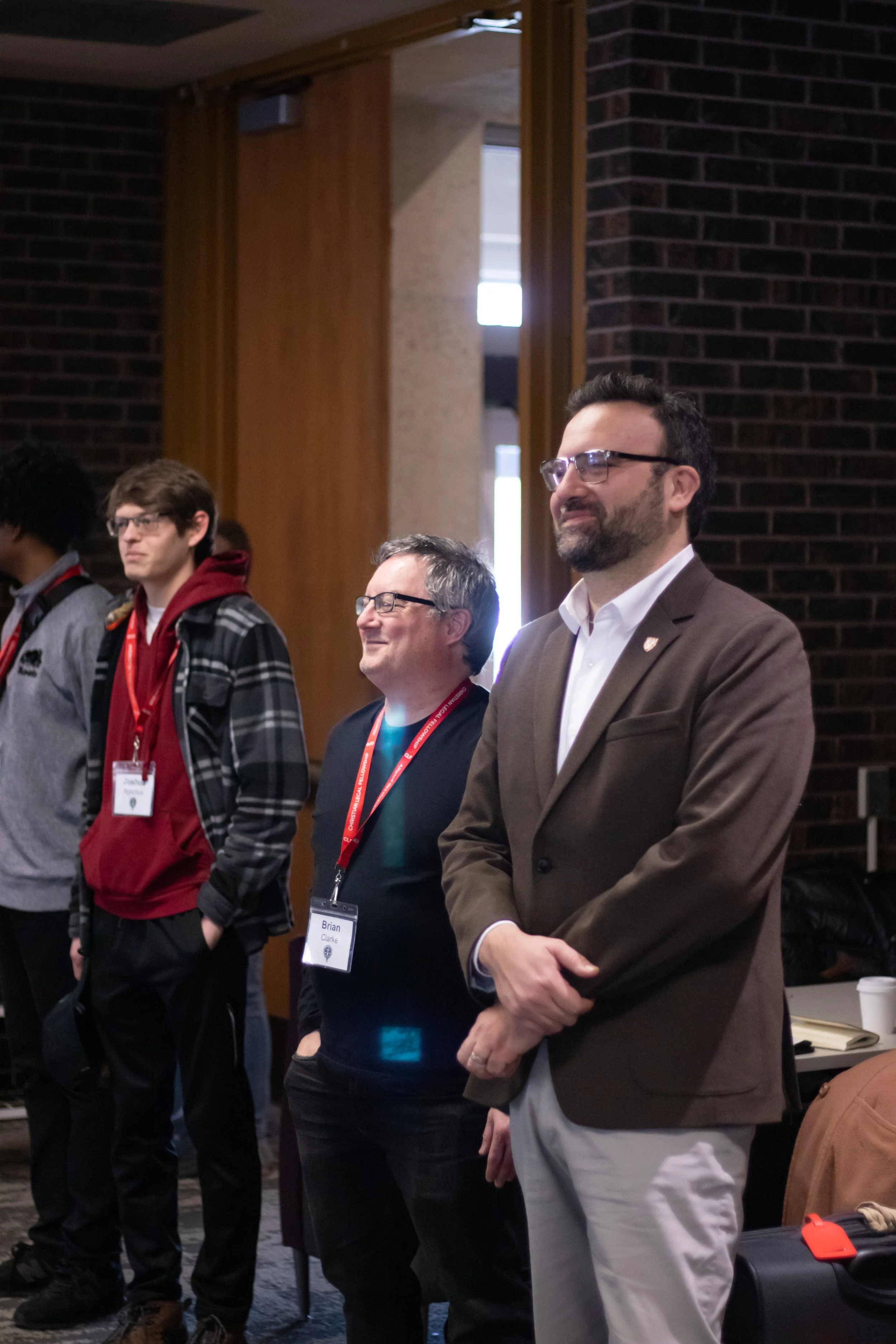
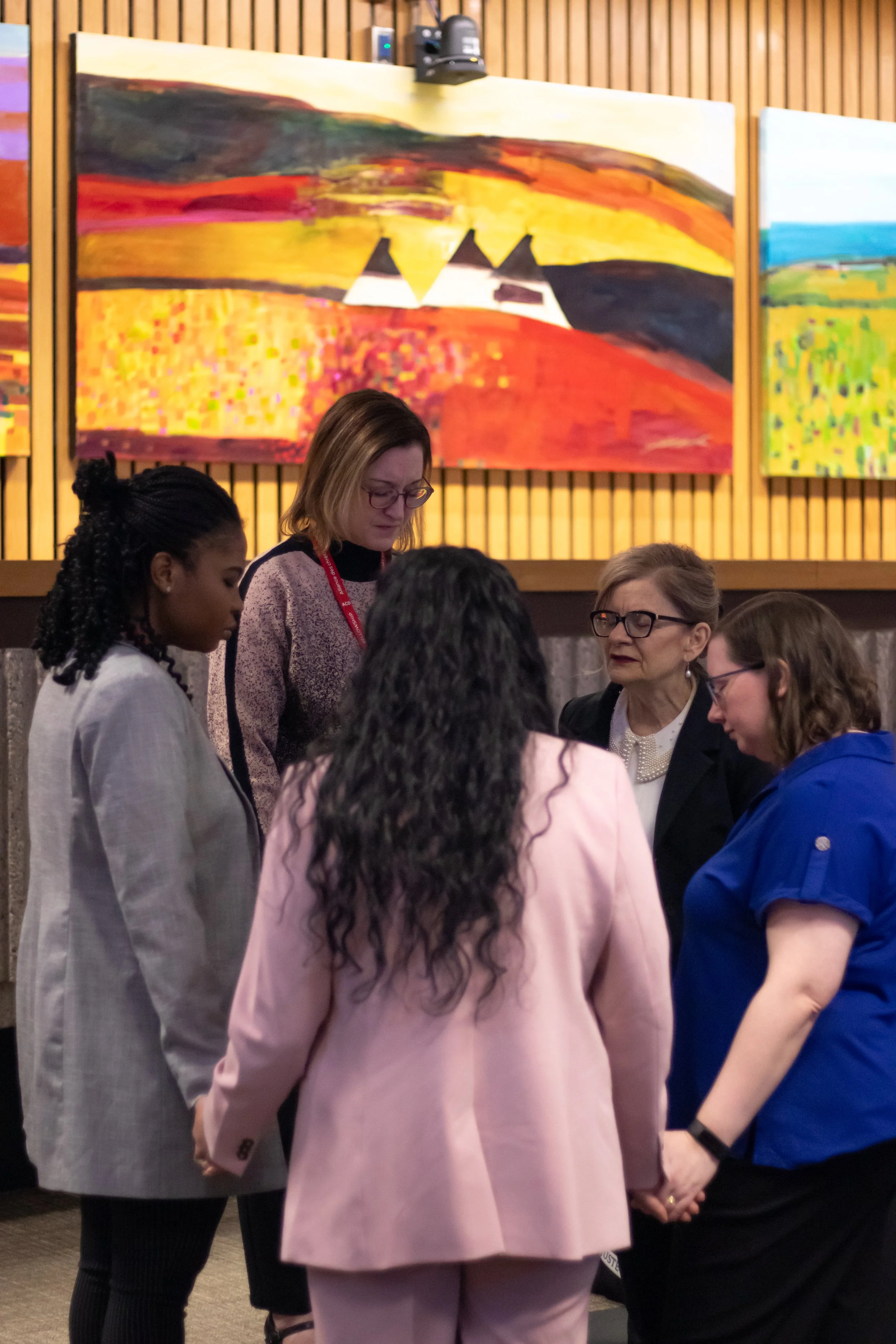
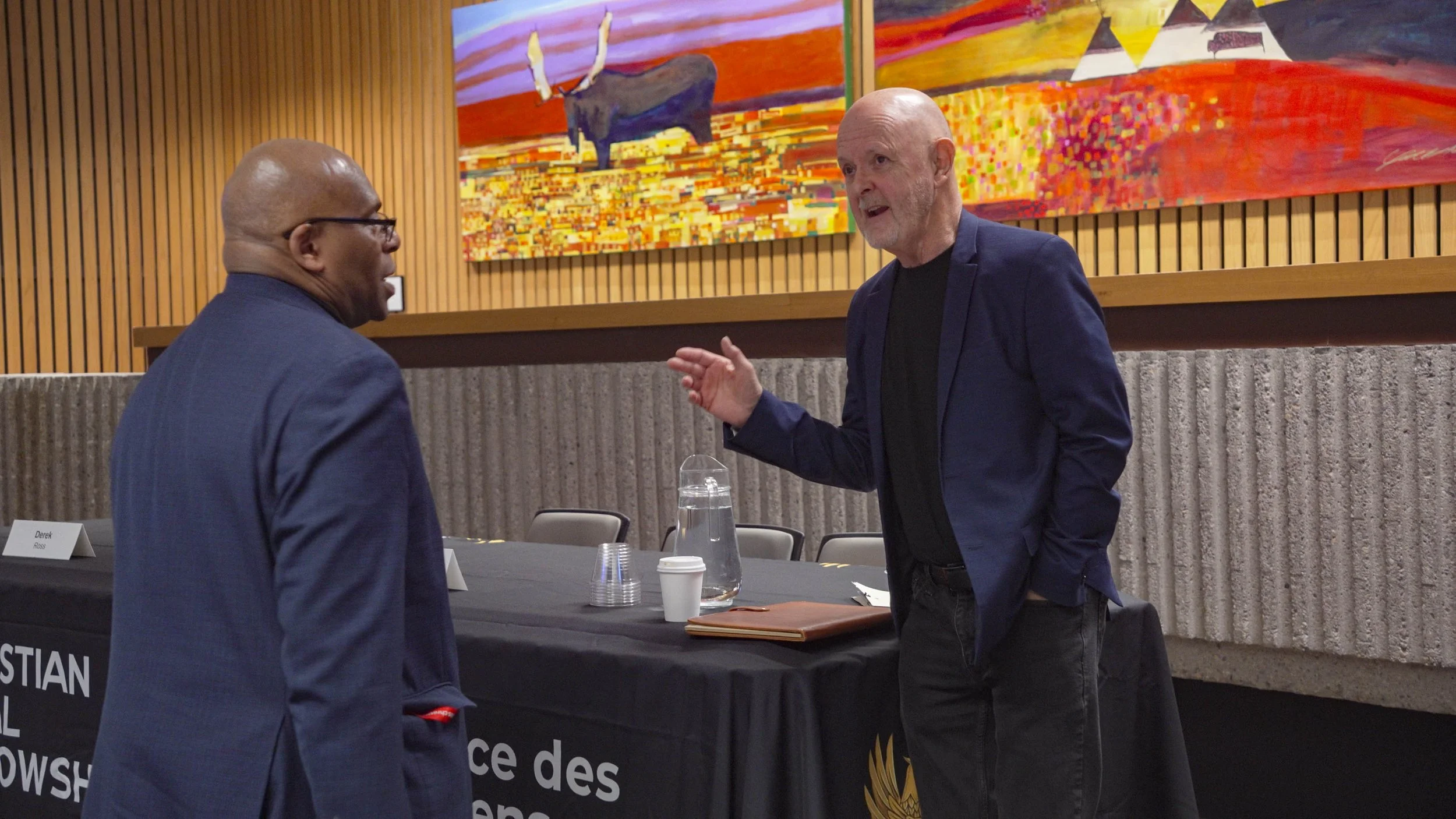
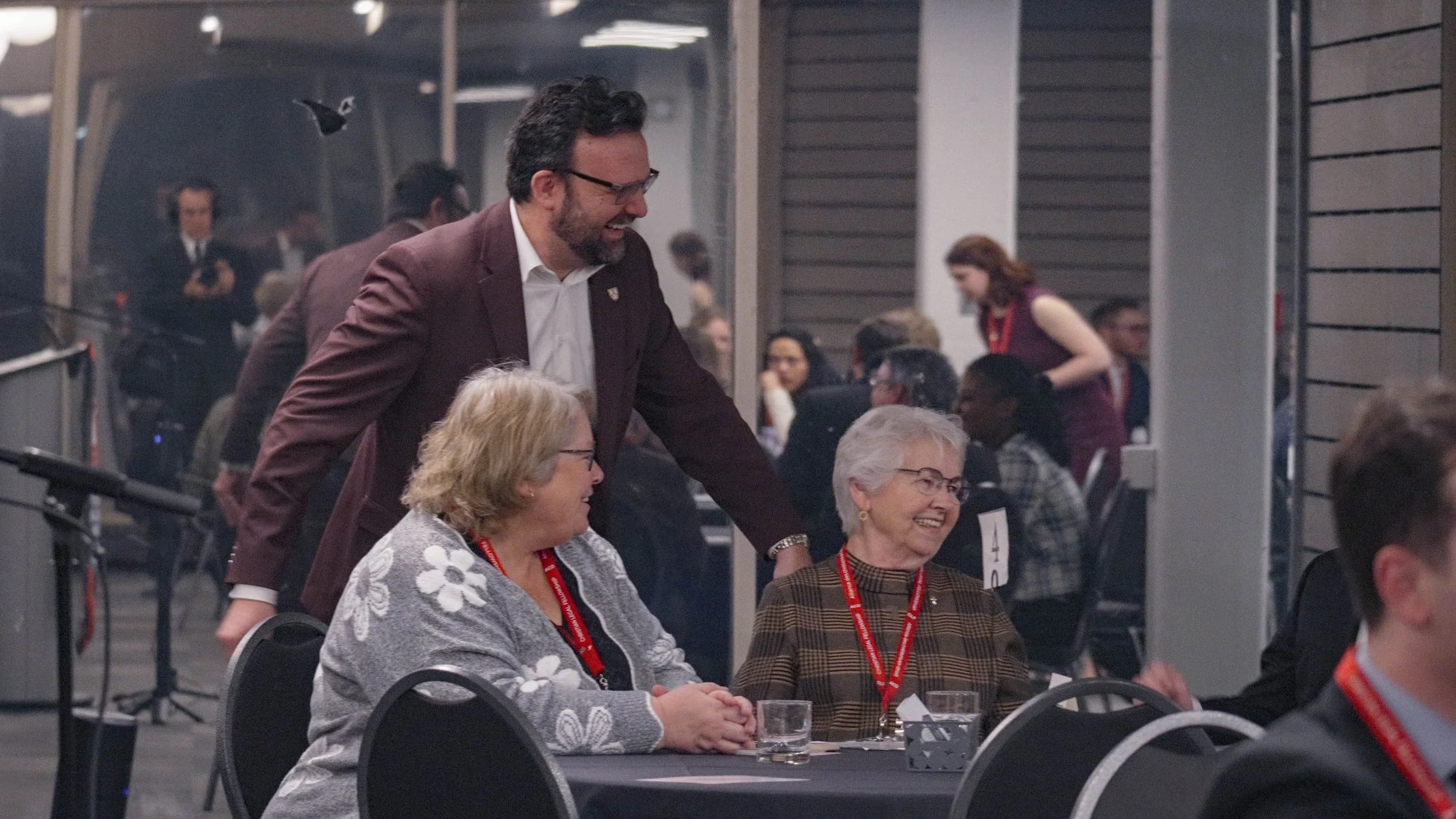
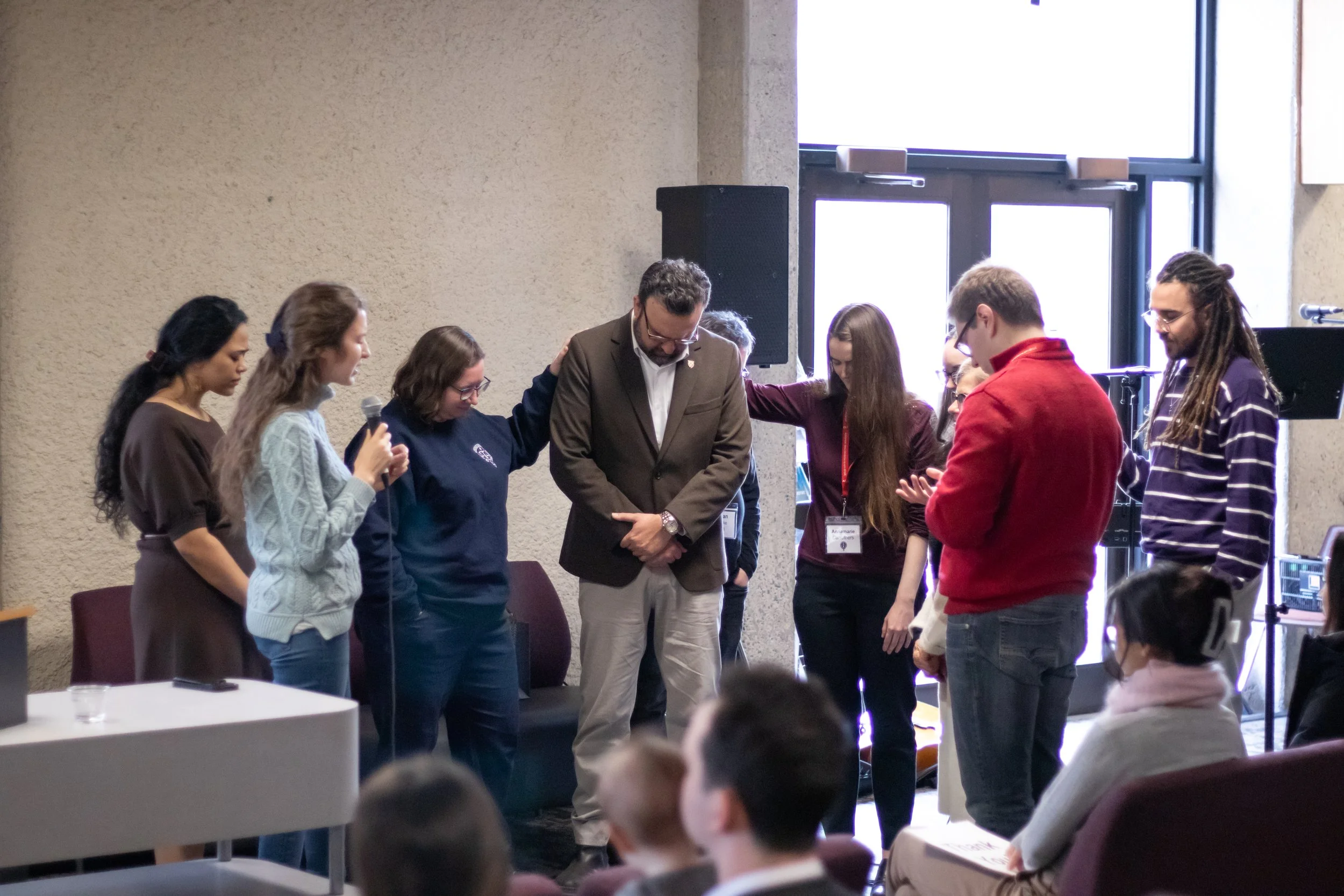
Just prior to Sunday’s lunch, several conference organizers and participants planned a surprise celebration for CLF’s Derek Ross, on the occasion of his 11th anniversary in his role as Executive Director. We gathered for prayer, sharing a meal (and cake!) together, and expressing the impact Derek has made on each of us throughout his term so far with CLF.
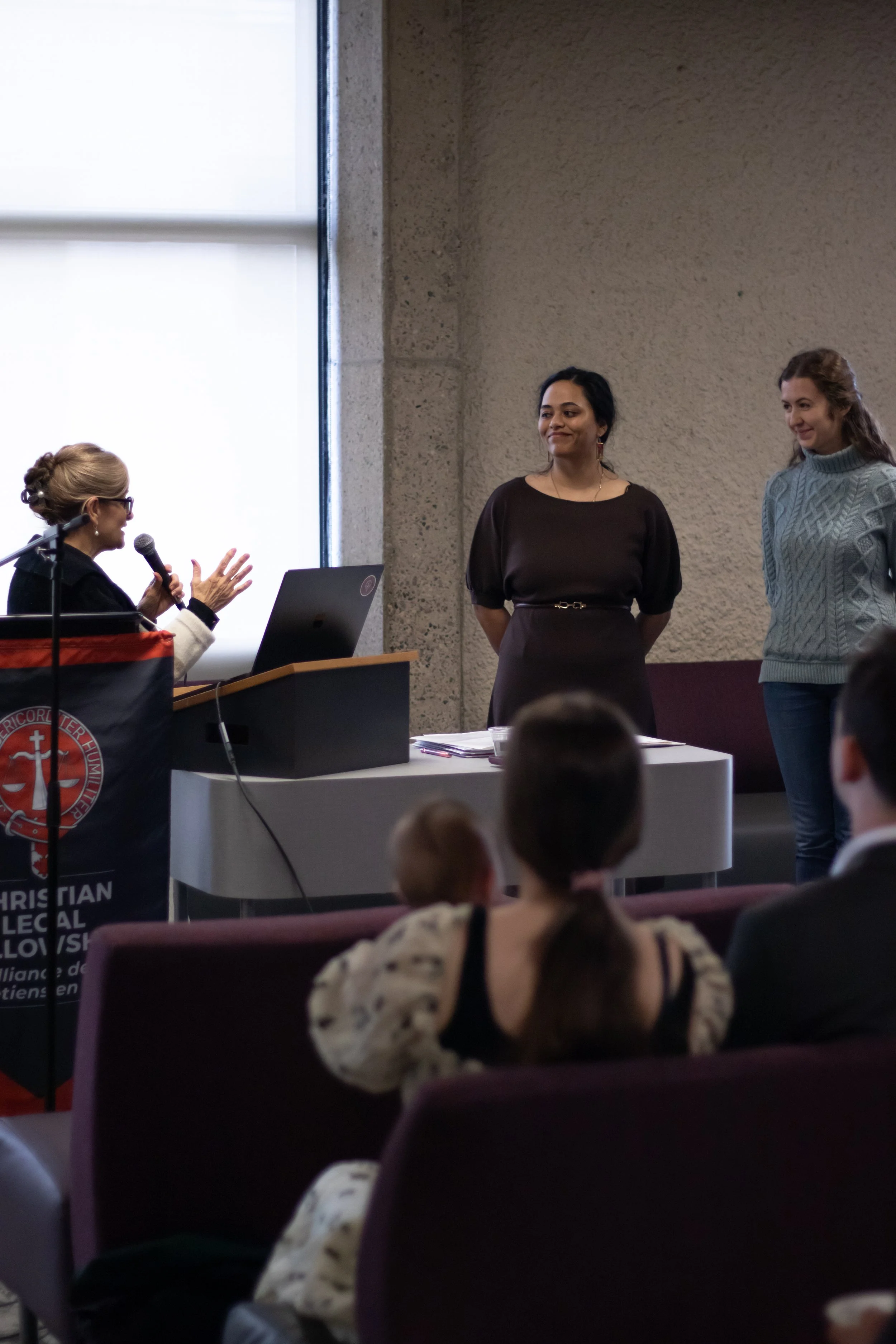
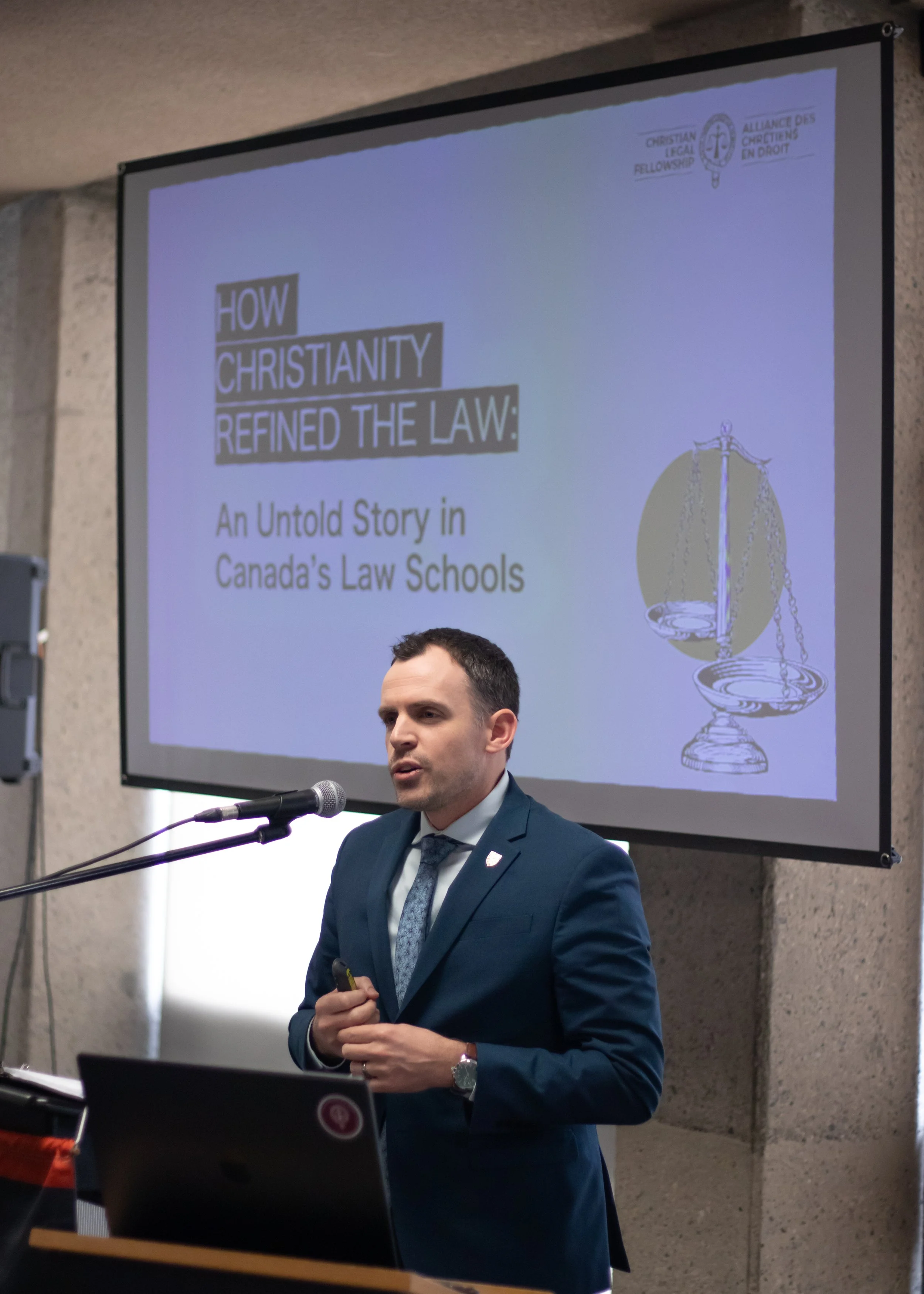
Over the lunch hour on Sunday, CLF’s Senior Counsel and Director of Training and Development André Schutten delivered a Lunch & Learn session on Christianity and the Law, which explored historical intersections between Christian theology and Western legal development. Topics included constitutional limitations on sovereign power, early protections of church freedom, the doctrine that law stands above rulers, and the moral foundations underlying human dignity. Through his session, we reflected on how the concept of Imago Dei – human beings made in the image of God – shaped abolition movements and informed understandings of equality. The session challenged us to consider whether contemporary legal systems can remain morally coherent if detached from foundational principles of human dignity. The discussion did not present simplistic conclusions. Rather, it invited critical engagement with history and jurisprudence. This harkened back to Chief Justice Joyal’s encouragement to us on Thursday evening about the need for thoughtful engagement with contested legal and philosophical questions.
“God’s calling rests on His presence, not human perfection. ”
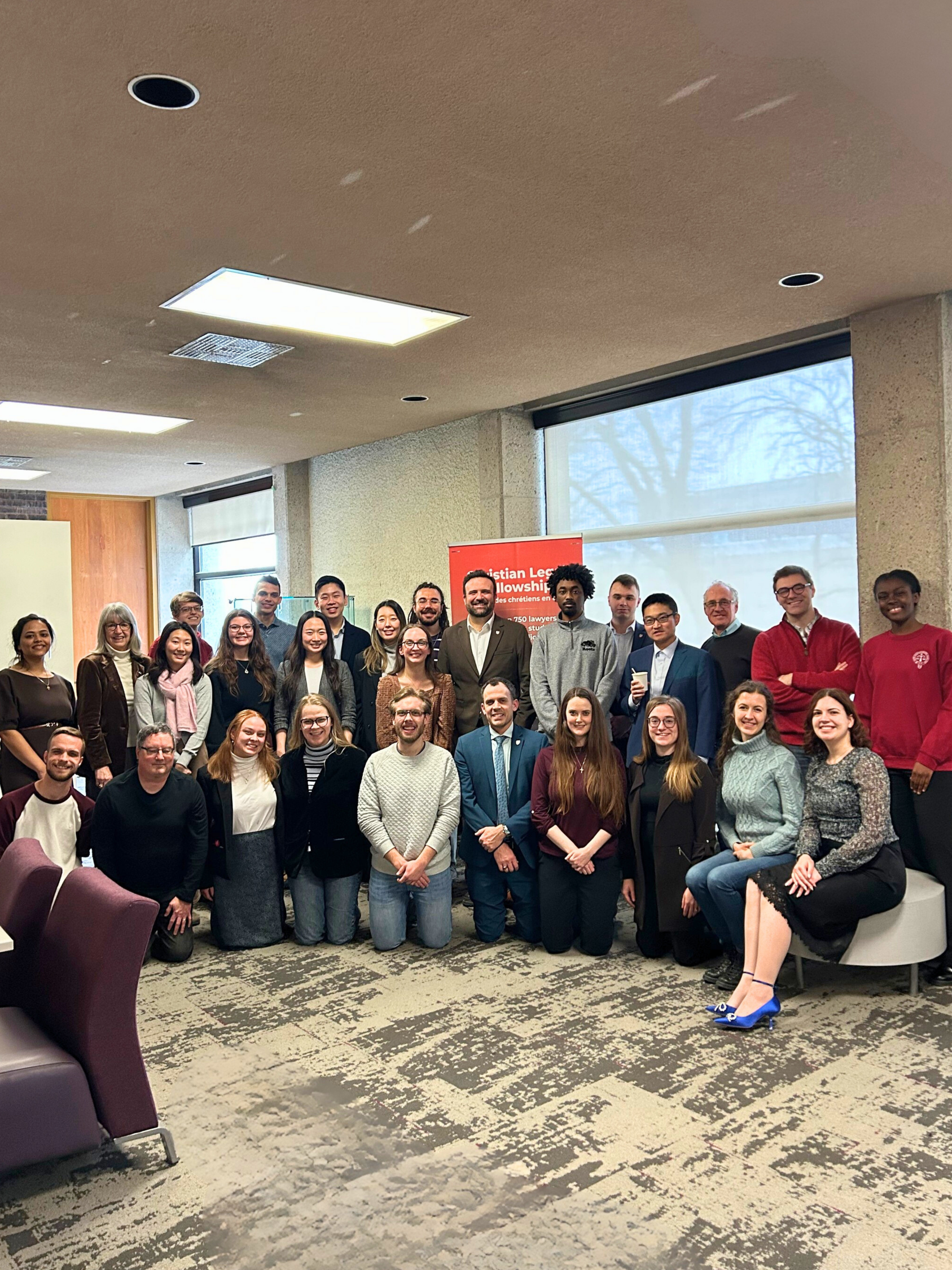
The conference concluded with a student prayer and discussion session, led by Evelyn Lee (CLF Student Ministries Support). This was an opportunity to share challenges from each of the campuses that students were from. Some common themes included isolation, imposterism, and disconnection. Students also encouraged each other to find opportunities for ministering to others, growing fellowship, community, and connection.
A Commissioning
Reflecting back on the 2026 CLF Student Conference, I see it was not merely an event. It was a commissioning. We were reminded that law is a calling to pursue justice without fear. This sounds like a lofty ambition, but the conference sessions wove these themes together with practical guidance, as each speaker shared openly and vulnerably about their experiences. We derived encouragement from reminders that perfect love drives out fear, identity precedes achievement, and community sustains courage.
As we return to classrooms, articling positions, and firms across Canada, we carry forward renewed clarity. The legal profession is demanding. It tests intellect, endurance, and character. Yet, we are called to practice not with fear, but with faith, confident that integrity and courage will bear fruit beyond immediate outcomes.


Dr. Marianna Pozdirca is a third-year JD student at the University of Manitoba Faculty of Law. She graduated with a Doctor of Pharmacy (PharmD) degree in 2023. Marianna has been a member of her local Christian Legal Fellowship chapter throughout law school and was the Student Conference Event Coordinator in 2025-26. Following graduation, Marianna will be articling with a national firm in Calgary.
Outside of law school, Marianna enjoys travelling, trying out new restaurants and coffee shops, and spending time with friends and family. She is also actively involved with her local church community where she teaches a children's small group class.
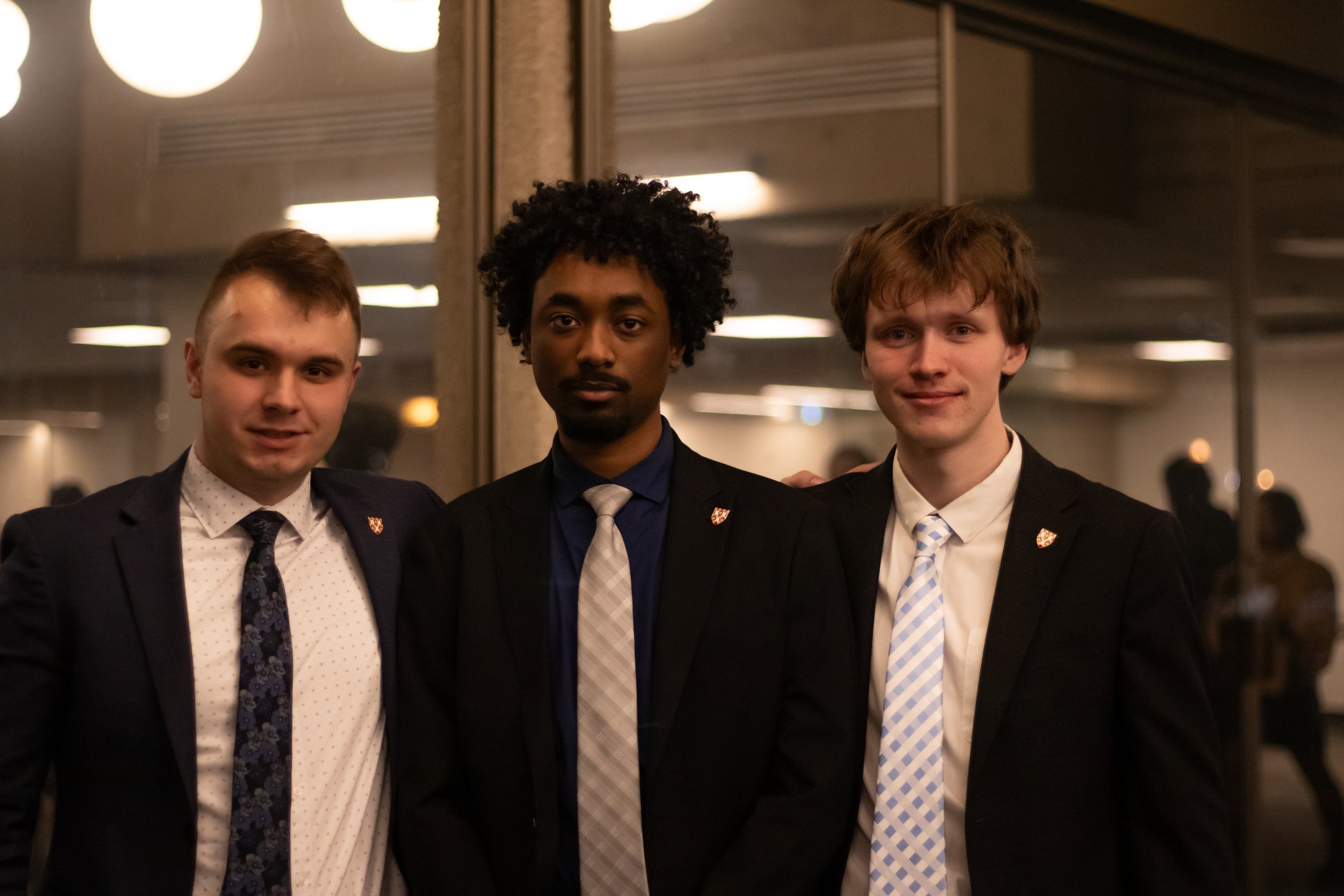
Thank you to the Robson Hall CLF Executive and Student Conference Planning Committee: Apara Grace, Marianna Pozdirca, Brett Williams, Aidan Perreault, Joshua Dondo, and Erin Jeon.
Special thanks to Jon Laakso, Elsie Abang and Shubila K Photography for photographing this event.