“The way that our laws treat individuals in some of the most marginalized situations reflects in many ways who we are as a nation.”
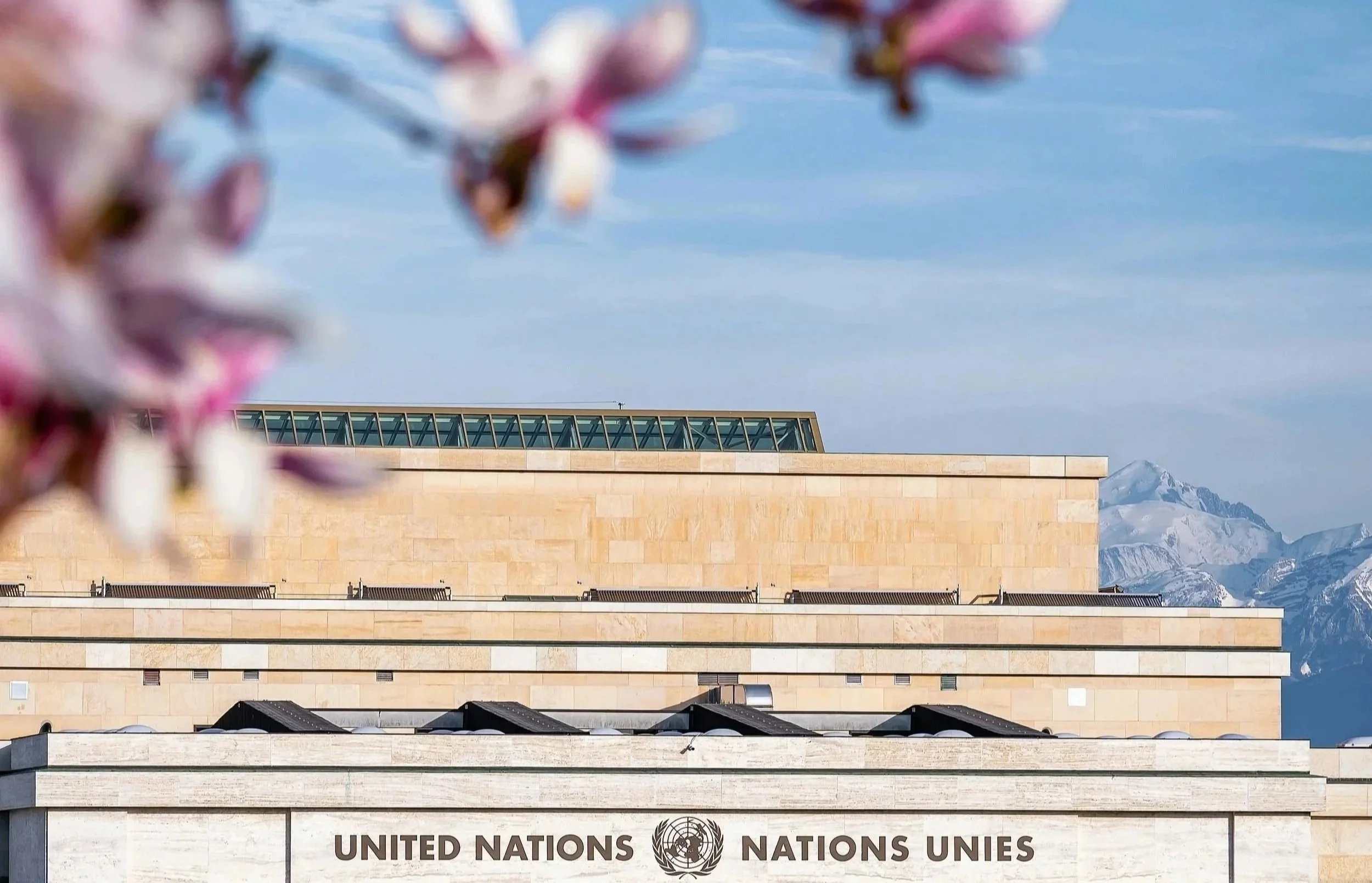
Today, May 19, 2026, marks the 50th anniversary of Canada’s ratification of the International Human Rights Covenants, the International Covenant on Economic, Social and Cultural Rights (ICESCR) and the International Covenant on Civil and Political Rights (ICCPR). These two instruments give specific protection to the principles entrenched in the Universal Declaration of Human Rights, transforming them from aspirational ideals to binding commitments.
The twin covenants set the bar for how states and states’ governments are to treat human beings in the over-170 signatory countries around the world. May 19, 1976, was a monumental moment in Canadian history, where our nation (and each of its provinces) made a public commitment to uphold the dignity and worth of every human person.
The Supreme Court of Canada has said that our Charter should “be presumed to provide at least as great a level of protection as is found in the international human rights documents that Canada has ratified” (see Ktunaxa Nation v British Columbia (Forests, Lands and Natural Resource Operations), 2017 SCC 54 at para 65, emphasis added).
These international instruments also guarantee rights that are realized through various other areas of law, such as immigration law, health law, criminal law, tort law, administrative law, and more. The meaning of these covenants, therefore, has very practical implications for each and every one of us.
Earlier this year, building on the UDHR at 75 Symposium and corresponding publication, Christian Legal Fellowship (CLF) dedicated its 2026 Academic Symposium on Religion, Law & Human Rights to this anniversary of the twin covenants. The Realizing Rights Symposium convened legal scholars, judges, jurists, law students, and practitioners from across the country to reflect on Canada’s human rights commitments, their evolution over the past five decades, and the work that remains. You can learn more in law student Yvonne Oni’s report, and in our new video below.
This 50th anniversary is an opportunity for reflection: What does it mean for us to be free to think and believe as our conscience dictates? How do we uphold the rights of the most marginalized members of society? How are we free to love our families and educate our children? How are we free to think and engage others in discussions around these and other questions? And what duties do we owe to one another in our shared pursuit of human flourishing?
CLF remains committed to supporting legal scholarship on Canada’s international human rights commitments, and looks forward to publishing a collection of essays from the Realizing Rights Symposium with LexisNexis Canada, in a special volume of the Supreme Court Law Review, later this year.
Today, these instruments motivate us to continue to care for the inherent dignity of all people, and to preserve, respect, and enhance the equal and inalienable rights of every member of the human family. This is the “foundation of freedom, justice, and peace in the world” (UDHR, Preamble).
CLF will continue to strive towards a more free and just society for all, in Canada and around the world.
“Whereas recognition of the inherent dignity and of the equal and inalienable rights of all members of the human family is the foundation of freedom, justice and peace in the world...”
VIDEO
REALIZING RIGHTS IN CANADA’S COMMITMENTS: THE 50TH ANNIVERSARY OF CANADA’S RATIFICATION OF THE INTERNATIONAL HUMAN RIGHTS COVENANTS
LEARN MORE
Realizing Rights Symposium Report, by Yvonne Oni
UDHR at 75 Symposium Report, by Mike Jehu
CLF’s publication from the UDHR at 75 Symposium: Equal and Inalienable Rights: Essays on the Universal Declaration of Human Rights, LexisNexis Canada (2024)
CLF Honours International Day of Persons with Disabilities, December 3, 2025
CLF Honours World Day Against Trafficking in Persons, July 30, 2025 (EN/FR)
CLF’s submissions to the Standing Committee on Justice and Human Rights (EN/FR), and CLF’s Analysis of the Committee’s report
On the Christian Legal Blog: United Nations Committee “Extremely Concerned” About MAID Expansion in Canada